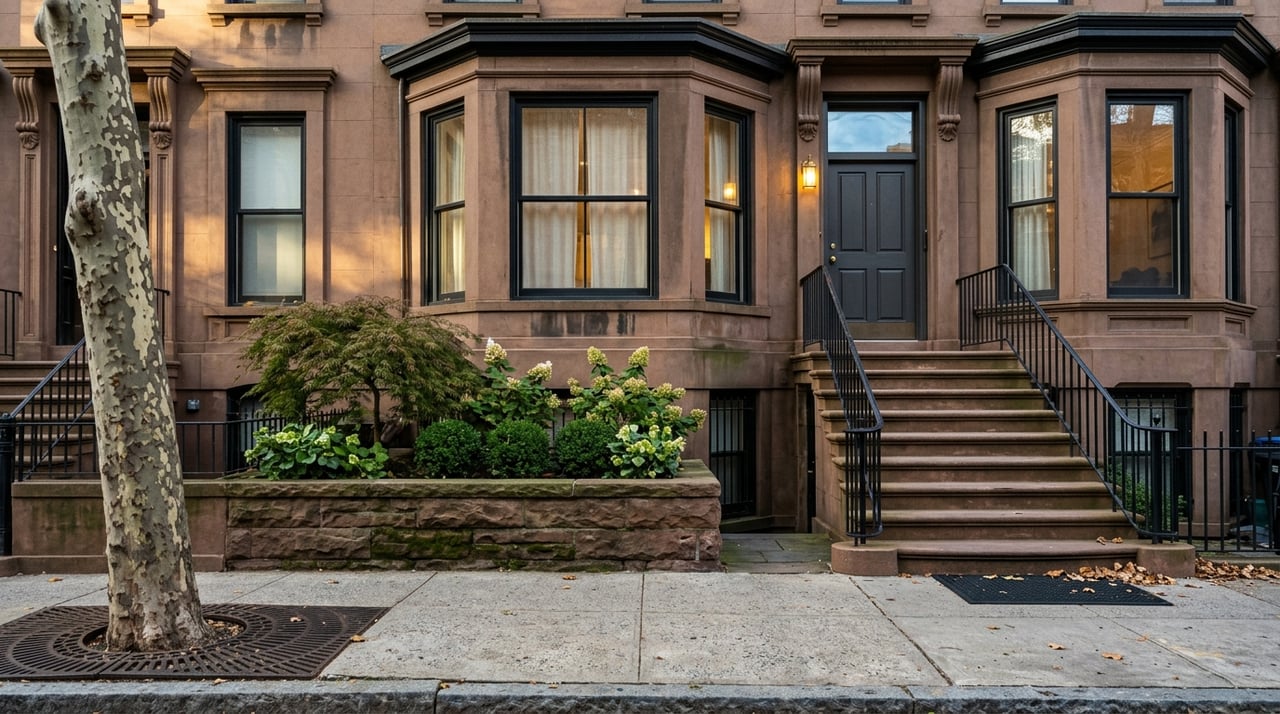
If you work in Manhattan but want your home life to feel a little calmer at the end of the day, Park Slope is often on the short list for a reason. You get a transit-first Brooklyn neighborhood with multiple subway options, classic brownstone blocks, and direct access to Prospect Park, all without giving up the ability to get into the city for work. If you are weighing whether Park Slope really fits a Manhattan commute, this guide will help you understand how the trip feels, what housing you will actually find, and which parts of the neighborhood may suit you best. Let’s dive in.
Why Park Slope Works for Commuters
Park Slope is one of those neighborhoods where commuting to Manhattan feels normal, not like a special effort. In the broader census proxy area, the mean travel time to work is 38 minutes, with 52% of workers using public transit, 11% walking, 4% biking, and 23% working from home. That mix points to a place where many households live well without relying on a car.
For buyers coming from Manhattan, that matters because your day-to-day routine can stay efficient. You are not moving to a car-dependent area or a neighborhood built around long transfers and limited options. Instead, you are stepping into a part of Brooklyn where transit is already central to how people live.
Subway Access by Area
Park Slope is not a one-line neighborhood, and that is one of its biggest strengths. Depending on where you live, you may be near Grand Army Plaza on the 2 and 3, Prospect Park on the B, Q, and S, Parkside Avenue on the Q, 15 St-Prospect Park on the F and G, or the 4 Av-9 St complex on the F, G, and R.
That range gives you more than one way to get into Manhattan. It also means your commute experience can change quite a bit by block, station choice, and where in Manhattan you need to be. A route that feels easy for Lower Manhattan may not feel the same for Midtown, so location inside the neighborhood matters more than many first-time buyers expect.
Commute Feel vs. Commute Time
A posted train route only tells part of the story. In Park Slope, the real-life commute depends on how quickly you can walk to the station, whether you have direct service for your destination, and how much flexibility you want when service changes.
That is why two homes in the same neighborhood can feel very different for the same buyer. If your work routine depends on a predictable subway pattern, choosing the right edge of Park Slope can be just as important as choosing the right apartment layout.
What Kind of Housing You’ll Find
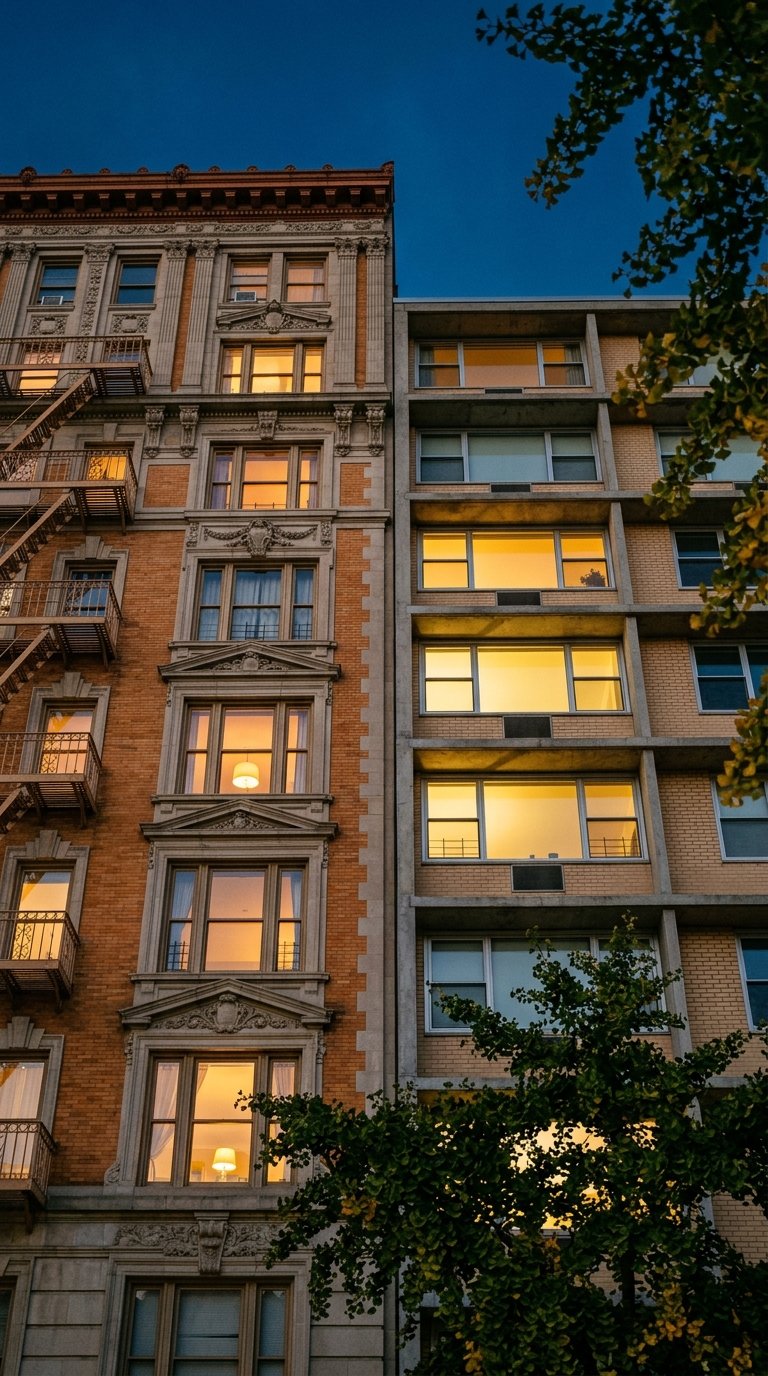
Park Slope is closely associated with brownstones, and that reputation is well earned. New York City Planning describes it as one of Brooklyn’s most prized brownstone neighborhoods, predominantly residential and shaped by late-19th- and early-20th-century rowhouses. The Park Slope Historic District, established in 1973, covers 44 blocks and helps preserve the neighborhood’s classic scale and street character.
The housing mix is broader than many buyers assume, though. The Landmarks Preservation Commission notes that the area includes single-family row houses, flats buildings, multiple dwellings, three- and four-story buildings, some two-family homes, and some tenements, with certain buildings on Sixth Avenue including commercial ground floors.
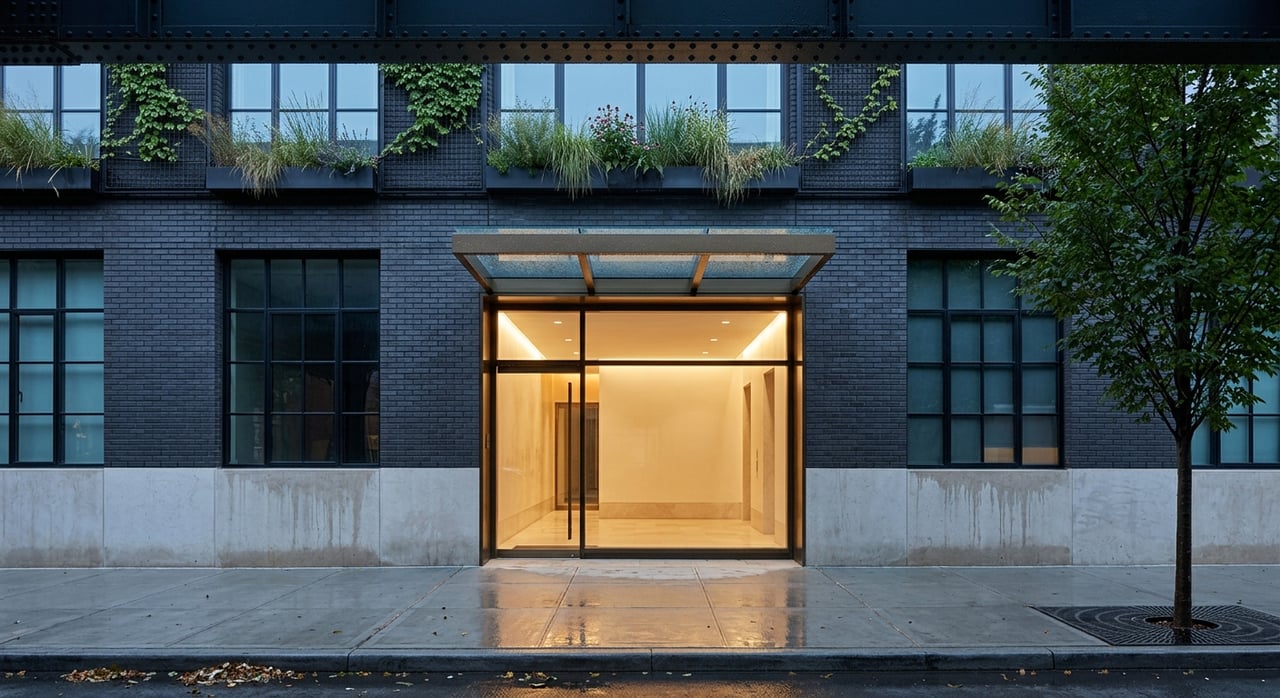
For buyers used to Manhattan inventory, that translates into a neighborhood with a lot of architectural variety inside a fairly consistent streetscape. You may be looking at a classic rowhouse apartment, a small multi-unit building, or a newer apartment option depending on which part of Park Slope you target.
Brownstone Core vs. Fourth Avenue
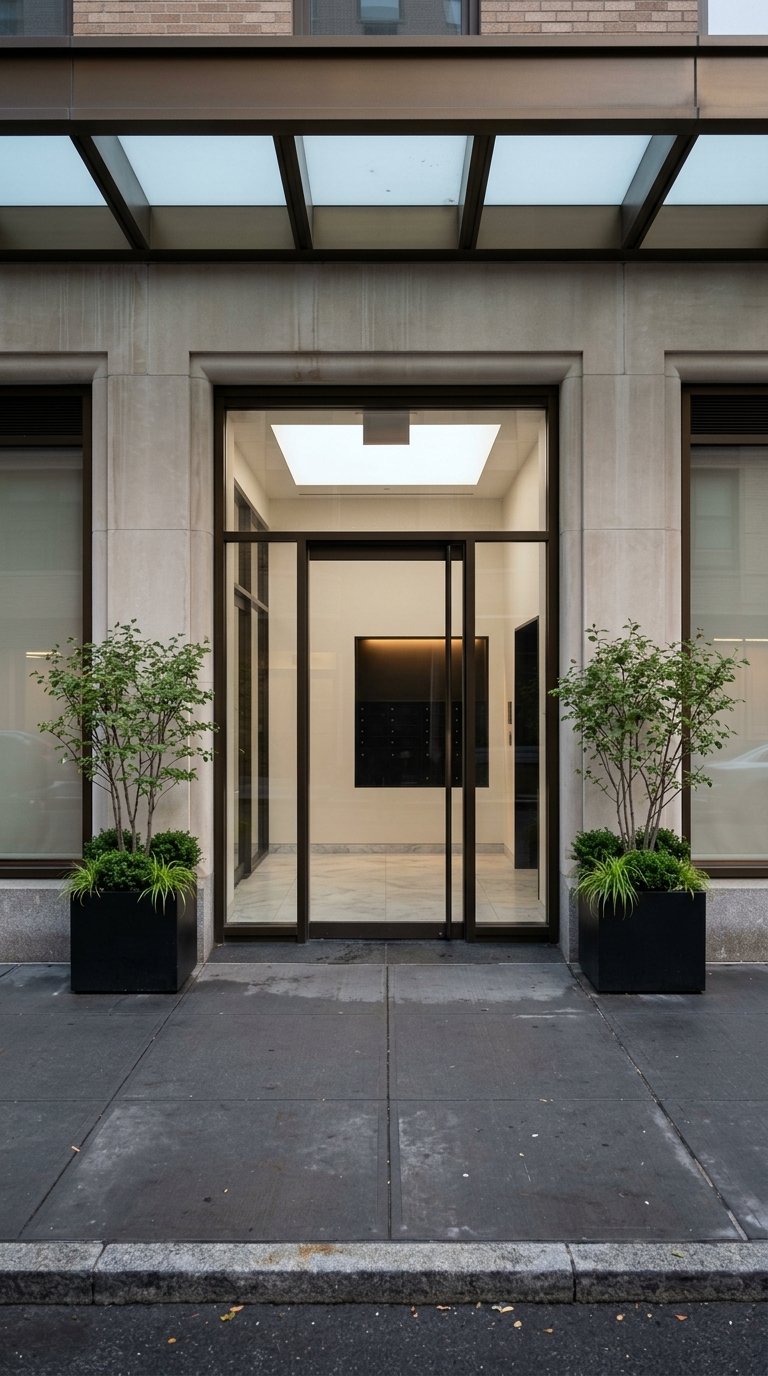
One of the clearest distinctions in Park Slope is between the classic brownstone side streets and the Fourth Avenue corridor. City Planning identifies Fifth and Seventh Avenues as the main commercial corridors, generally lined with four- to six-story mixed-use buildings. Fourth Avenue, by contrast, was targeted for greater density and apartment-house development because of its width and transit access.
If you picture Park Slope as quiet tree-lined blocks and historic homes, you are likely picturing the brownstone core. If you want a setting that may feel more transit-oriented and more apartment-focused, Fourth Avenue may be the better match.
A Neighborhood That Feels Residential
For many Manhattan commuters, the real appeal of Park Slope is not just getting to work. It is what the neighborhood feels like when you come home. The Landmarks Preservation Commission describes Park Slope as having beautiful and well-preserved residential streets, with tree-lined blocks, consistent scale, and a predominantly residential character.
That sense of calm is a big part of the tradeoff. You are still in New York City, but the daily rhythm can feel less compressed than in denser parts of Manhattan. For buyers who want some separation between work pace and home pace, that difference is often the point.
Prospect Park Shapes Daily Life
Prospect Park is one of Park Slope’s biggest lifestyle anchors, and it changes the way the neighborhood lives. According to NYC311, the park covers more than 526 acres and includes dog runs, playgrounds, an ice-skating rink, and a nature center. It is open from 5 AM to 1 AM and has been permanently closed to motor vehicles since January 2, 2018.
For a Manhattan commuter, that is more than a nice backdrop. It gives you a practical place for a morning walk, weekend recreation, and outdoor time without needing to leave the neighborhood. The MTA also notes the park’s habitat leans toward native plant species, adding to its draw as a nature destination within the city.
Everyday Convenience Still Matters
A residential neighborhood only works if daily errands stay easy. In Park Slope, Fifth and Seventh Avenues serve as the main neighborhood commercial corridors, giving the area a steady base of shops and services woven into everyday life. That helps preserve the balance many buyers want: a quieter home setting without feeling cut off.
The Brooklyn Public Library’s Park Slope branch adds another local anchor. The branch includes a garden, two fireplaces, stained glass, and a Knuffle Bunny statue outside, which speaks to the neighborhood’s strong civic and cultural texture.
Is Park Slope Too Quiet?
For some Manhattan buyers, this is the real question. If you are used to a constant street buzz, Park Slope may feel more measured, especially on the interior brownstone blocks. But quiet does not mean empty, and residential does not mean inconvenient.
The neighborhood still has active commercial avenues, several subway options, and one of Brooklyn’s major park assets at its edge. In practical terms, Park Slope tends to appeal most to people who want access and energy when they need it, but a more grounded home base the rest of the time.
Where to Focus Your Search
If you are trying to narrow the neighborhood, these distinctions can help:
- Near Grand Army Plaza or Prospect Park: Often a strong fit if park access and multiple subway options matter most, including the 2, 3, B, Q, S, and nearby F and G connections.
- Near Fourth Avenue: Often a practical fit if you want denser transit access and are open to newer apartment building patterns.
- On brownstone side streets or midblocks: Often the best match if you want the classic Park Slope feel with quieter, more historic residential surroundings.
None of these areas is universally “best.” The right choice depends on whether your priority is commute flexibility, building style, park access, or a more classic residential setting.
What Buyers Should Keep in Mind
Park Slope offers a strong commuter setup, but it comes with tradeoffs. The broader Park Slope and Carroll Gardens PUMA shows 63% renter-occupied housing, 88% multi-unit structures, and a median owner-occupied value of $1,640,200. That points to a market where space, condition, building type, and exact location can all have a meaningful impact on what your budget buys.
For many buyers, the value proposition is clear. You are trading some subway variability and higher pricing for a walkable, transit-rich neighborhood with a strong brownstone identity and direct access to Prospect Park. If that mix aligns with how you want to live, Park Slope can make a lot of sense.
If you are comparing Park Slope with Manhattan neighborhoods or trying to decide which blocks best match your commute, working with someone who understands both sides of that equation can save time and sharpen your search. For a clear, pragmatic conversation about your options, connect with David Menendez.
FAQs
How long does a Manhattan commute from Park Slope usually feel?
- In the broader census proxy area, the mean travel time to work is 38 minutes, but your actual experience depends on your block, subway station, and where in Manhattan you are headed.
Which subway lines serve Park Slope for Manhattan commuters?
- Nearby access includes the 2, 3, B, Q, S, F, G, and R, with station options including Grand Army Plaza, Prospect Park, Parkside Avenue, 15 St-Prospect Park, and 4 Av-9 St.
What types of homes are common in Park Slope?
- Park Slope is known for rowhouses and brownstones, but the housing stock also includes flats buildings, multi-unit dwellings, mixed-use buildings, and newer apartment options in some areas.
Is Park Slope a good fit for car-free households?
- Yes. The area’s commute pattern is strongly transit-first, with most workers using public transit, walking, biking, or working from home rather than relying on a car.
Which part of Park Slope is best for a Manhattan commuter?
- It depends on your priorities. Areas near Grand Army Plaza or Prospect Park may suit buyers who want multiple subway options and park access, while Fourth Avenue may appeal more if transit density and apartment-style housing are higher priorities.