If you’re thinking about living in Midtown, the first question is usually simple: is Midtown actually a neighborhood people live in, or just a place people pass through? The honest answer is both. Midtown is a real residential district, but it still functions as the center of Manhattan, which means your day-to-day life comes with rare convenience, constant movement, and a level of intensity that is hard to ignore. This guide will help you understand what that looks like in practical terms so you can decide whether Midtown fits the way you want to live. Let’s dive in.
Midtown feels like a mixed-use core
Midtown is not a classic residential neighborhood with one consistent vibe from block to block. Community Board 5 describes it as a district where commercial density, tourism, cultural institutions, and residential communities all overlap. That mix shapes almost every part of daily life.
In other words, you are not moving into a quiet pocket that happens to sit near office towers. You are living in one of Manhattan’s most active urban centers, where residents share space with commuters, visitors, workers, and major destinations every day. For some buyers, that is the appeal. For others, it is the main trade-off.
Community Board 5 reported 63,600 residents in the 2020 Census, which was a 23.1% increase from 2010. That growth matters because it shows Midtown is not only a daytime business district anymore. More people are choosing it as a home base, even though it still behaves like the heart of the city.
Housing in Midtown is vertical
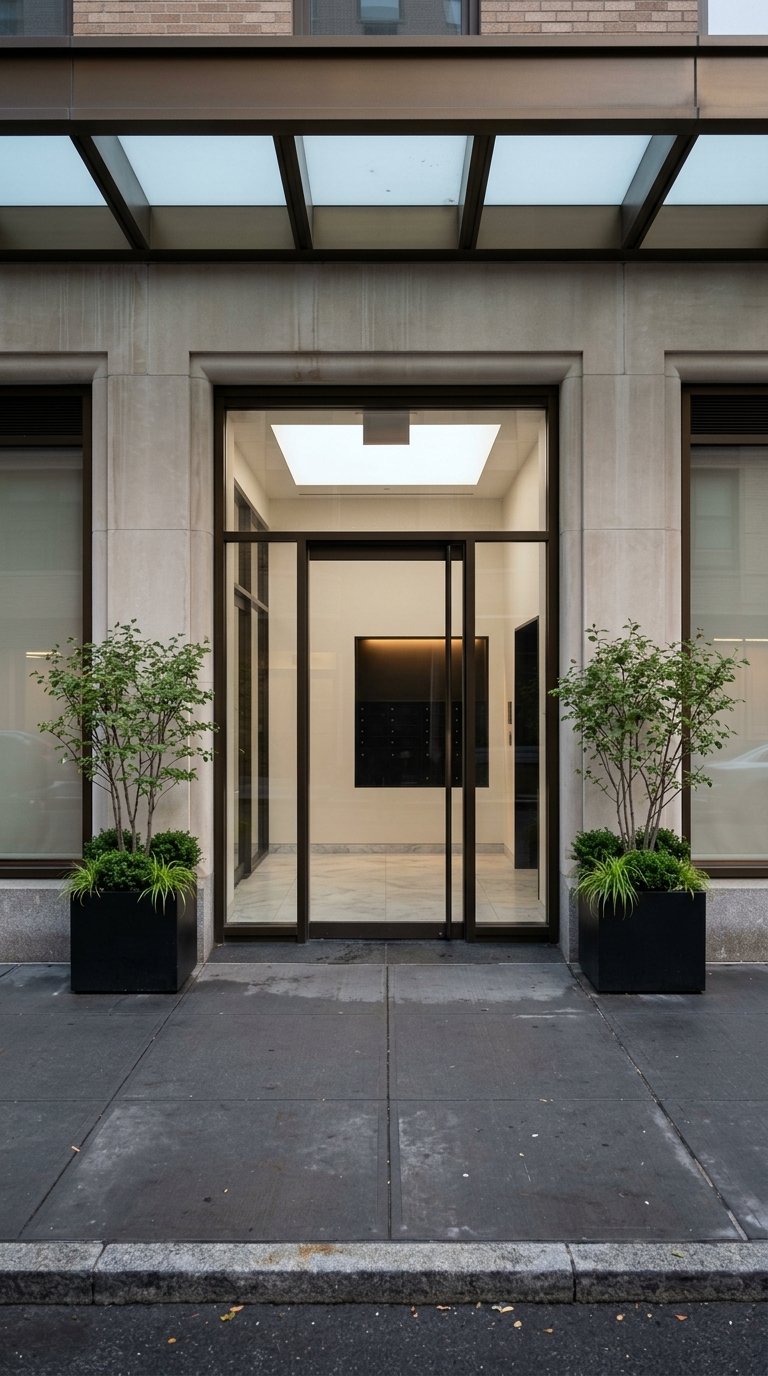
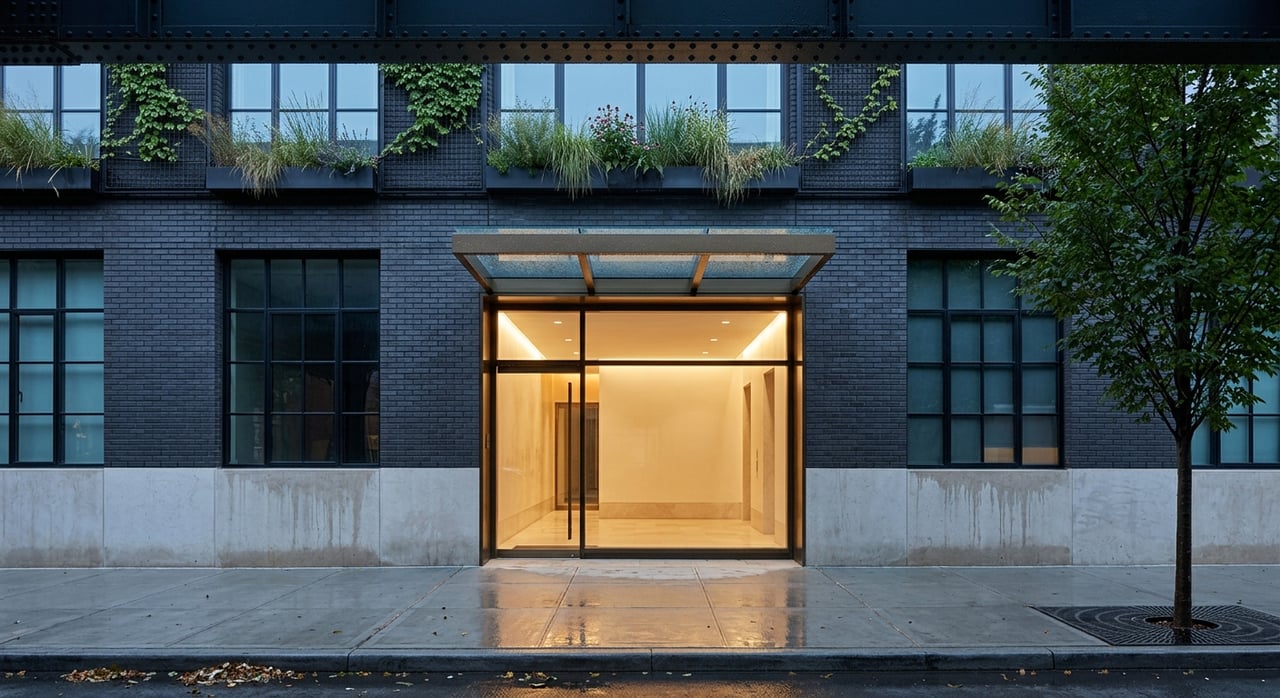
If you picture Midtown housing, think tall buildings, mixed-use blocks, landmarked structures, and newer condo development. The area is shaped less by rowhouses or small-scale residential streets and more by high-rise living and dense commercial corridors. That gives Midtown a very different feel from more traditionally residential parts of Manhattan.
Community Board 5 says the district had 42,323 housing units in 2020, and 21.5% were vacant at that time. It also added 5,773 housing units between 2010 and 2020, while median rents rose by more than 40% over the same period. Those numbers support a market that is active and growing, but still not purely residential in character.
The housing stock is also still overwhelmingly market-rate, according to Community Board 5. That is important if you are trying to understand price pressure and availability. Midtown offers access and convenience, but it is not generally known for broad affordability.
Building types vary more than you may expect
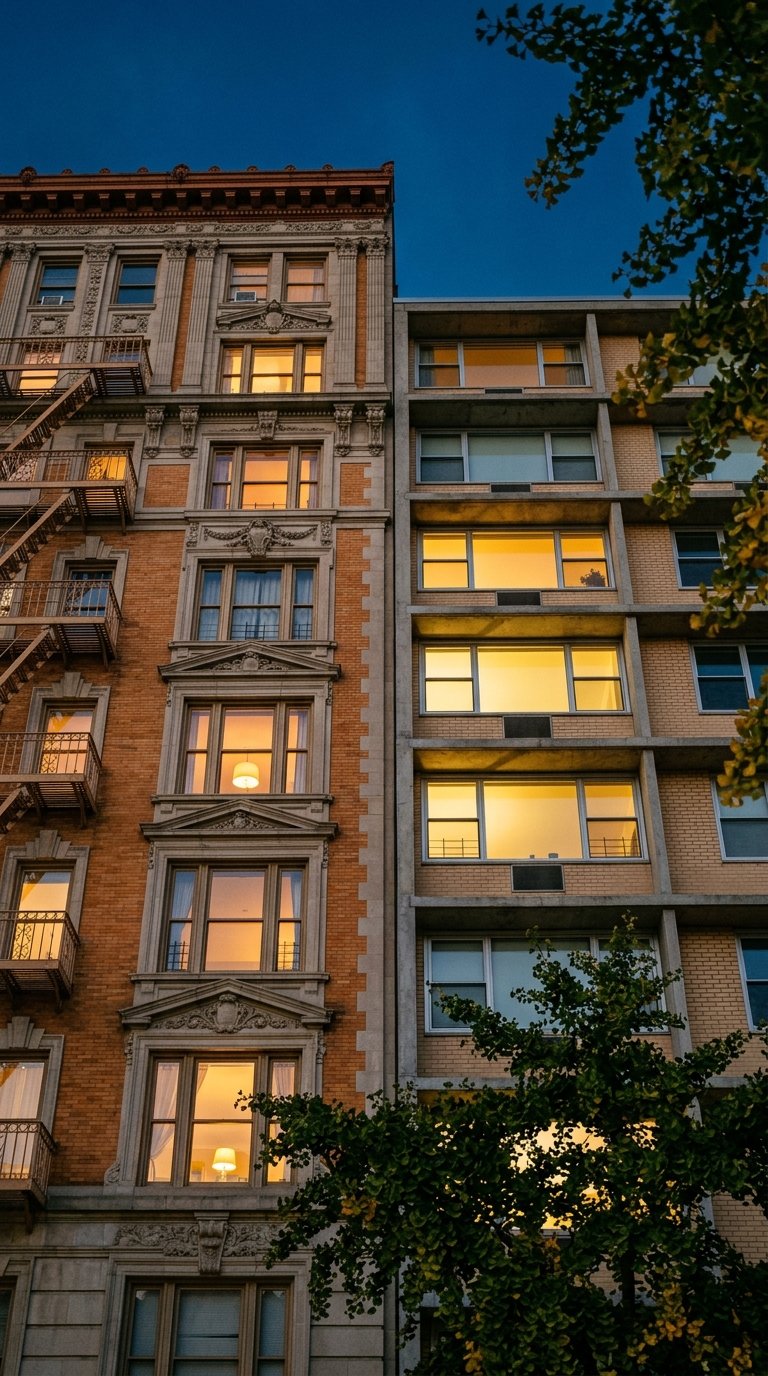
Midtown is not just a wall of glass towers. Community Board 5 notes that the district has one of the city’s highest concentrations of landmarked buildings, while also referencing newer supertall condo buildings. That combination creates a streetscape that blends older architecture with newer vertical development.
For buyers, that often means a wider range of housing formats than the Midtown stereotype suggests. Depending on the exact section of Midtown, you may find everything from classic pre-war building stock to contemporary condos and conversion-style opportunities. The result is a market that can feel surprisingly varied, even when the surrounding streetscape feels intensely urban.
Midtown South may become more residential
One of the biggest long-term shifts to watch is the Midtown South Mixed-Use Plan. Community Board 5 says the plan could repurpose underused office space into as many as 20,000 new homes. If that happens over time, parts of Midtown South may feel more residential than they do today.
That does not mean Midtown is about to lose its commercial identity. NYC Planning’s rules for the Special Midtown District are designed to strengthen Midtown’s business core while managing how buildings affect light and air. Still, the potential for added housing suggests that some parts of the area may continue evolving toward a more live-work balance.
Transit is Midtown’s biggest advantage
For many people, Midtown works because it makes getting around remarkably easy. Community Board 5 highlights major transit nodes including Penn Station, Grand Central Terminal, Port Authority, Herald Square, and several major subway lines. Hundreds of thousands of commuters, residents, and visitors move through the district every day.
If your priority is reducing commute friction, Midtown is hard to dismiss. It can serve as a practical home base for travel within Manhattan and for trips to other boroughs, the suburbs, or nearby states. That kind of reach is one of Midtown’s strongest selling points.
Grand Central and Penn Station expand your options
Grand Central Terminal serves the 4, 5, 6, 7, and S subway lines, along with Metro-North service on the Hudson, Harlem, and New Haven lines and Long Island Rail Road service. Penn Station adds Amtrak, Long Island Rail Road, New Jersey Transit, and subway access through the A, C, E, 1, 2, and 3 lines. In practical terms, that gives Midtown unusual regional flexibility.
If you work in Manhattan but travel often to Westchester, Connecticut, Long Island, or New Jersey, that transit network can make daily life much more efficient. Midtown tends to appeal most to people who value that kind of access enough to accept the pace that comes with it.
Daily life comes with real trade-offs
The same features that make Midtown convenient also make it demanding. Community Board 5 lists homelessness, affordable housing, and quality of life as the district’s top three issues. It also points to density, aging infrastructure, and overlapping jurisdictions as ongoing challenges that affect daily management of the area.
For residents, that often translates to more noise, more congestion, and more street activity than you would find in a quieter central Manhattan setting. You are likely to experience more delivery traffic, more pedestrians, more sirens, and more public activity simply because Midtown handles so much movement at once. That is part of the environment, not an exception to it.
Streets can feel crowded and highly managed
Community Board 5 has called for tools such as a noise camera program, air-quality monitoring, sanitation containerization, and pedestrian-safety improvements. That tells you a lot about the lived experience. Midtown is not calm by default. It is a dense district that needs constant management to function well.
The board also notes that areas around Penn Station, the Port Authority Bus Terminal, Herald Square, Madison Square Park, and Times Square see high concentrations of visible homelessness and public-safety complaints. If you are considering Midtown, it helps to be realistic about that public-facing environment. The convenience is real, but so is the intensity.
Midtown works best for certain buyers
Midtown is usually a strong fit if you care most about access, speed, and being in the center of things. If your lifestyle depends on fast transit connections, short commutes, proximity to offices, and the energy of a major urban core, Midtown can make a lot of sense. It functions especially well as a home base for people who want Manhattan convenience first.
It may be less appealing if you are looking for a quieter, more neighborhood-first atmosphere on a daily basis. Compared with nearby areas like Chelsea, Clinton, Murray Hill, Turtle Bay, Sutton Place, Gramercy Park, Kips Bay, Stuyvesant Town, or Tudor City, Midtown is more clearly a transit-and-employment hub than a conventionally residential district. That does not make it better or worse. It simply makes it more specific.
How to think about Midtown as a home base
The best way to evaluate Midtown is to focus on your routine, not just the map. Ask yourself where you commute, how often you travel, how much street activity you can tolerate, and whether you want your building to serve as a retreat from the city or as a launch point into it. Midtown tends to reward buyers who are clear on those priorities.
If you value quiet blocks and a steady neighborhood rhythm, you may prefer another central Manhattan option. If you want exceptional connectivity and can live comfortably with a more public, fast-moving environment, Midtown can be a very efficient place to own. The right fit comes down to whether its strengths line up with how you actually live.
When you are weighing Midtown co-ops and condos, local context matters. Building type, street exposure, transit access, and the exact subarea can change the experience significantly from one listing to the next. If you want practical guidance on how Midtown compares with other central Manhattan options, David Menendez offers steady, neighborhood-level advice tailored to how you want to live and move through the city.
FAQs
Is Midtown Manhattan a real residential neighborhood?
- Yes. Community Board 5 reported 63,600 residents in the 2020 Census, showing Midtown is a true residential district even though it still functions as a major business and transit hub.
What is daily life like in Midtown Manhattan?
- Daily life in Midtown is convenient, fast-moving, and public. You get strong transit access and central location benefits, but you also deal with more noise, congestion, foot traffic, and street activity than in quieter Manhattan neighborhoods.
What types of homes are common in Midtown?
- Midtown housing is generally made up of large buildings, including high-rises, newer condos, mixed-use properties, and older landmarked buildings. The area feels more vertical and dense than low-rise or rowhouse-based neighborhoods.
Is Midtown good for commuters?
- Yes. Midtown’s biggest advantage is transit density, with major access through Penn Station, Grand Central Terminal, Port Authority, Herald Square, and multiple subway lines.
Is Midtown quieter than other central Manhattan neighborhoods?
- Generally, no. Midtown is more of a transit-and-employment center, so it usually feels busier and less consistently residential than nearby central Manhattan areas that have a stronger neighborhood-first feel.
Is Midtown becoming more residential?
- It may become more residential over time. Community Board 5 says the Midtown South Mixed-Use Plan could repurpose underused office space into as many as 20,000 new homes.