Choosing between pre-war and post-war living on the Upper West Side is not just about old versus new. In this part of Manhattan, the difference often shapes how your home looks, feels, and functions every day. If you are trying to decide which building type fits your budget and lifestyle, this guide will help you compare layout, character, amenities, and monthly costs with a clearer UWS lens. Let’s dive in.
Why the era matters on the UWS
The Upper West Side is closely tied to large pre-war apartment buildings. StreetEasy notes that most homes in the neighborhood are in large pre-war buildings, and landmark reports trace that apartment-house growth along Broadway, Central Park West, Riverside Drive, and West End Avenue.
That history matters because your choice here is often between two very different housing patterns. On one side, you have classic pre-war corridors with detailed architecture and more formal floor plans. On the other, you have later post-war buildings shaped by a different phase of the neighborhood’s growth and a more efficient approach to daily living.
What pre-war living usually feels like
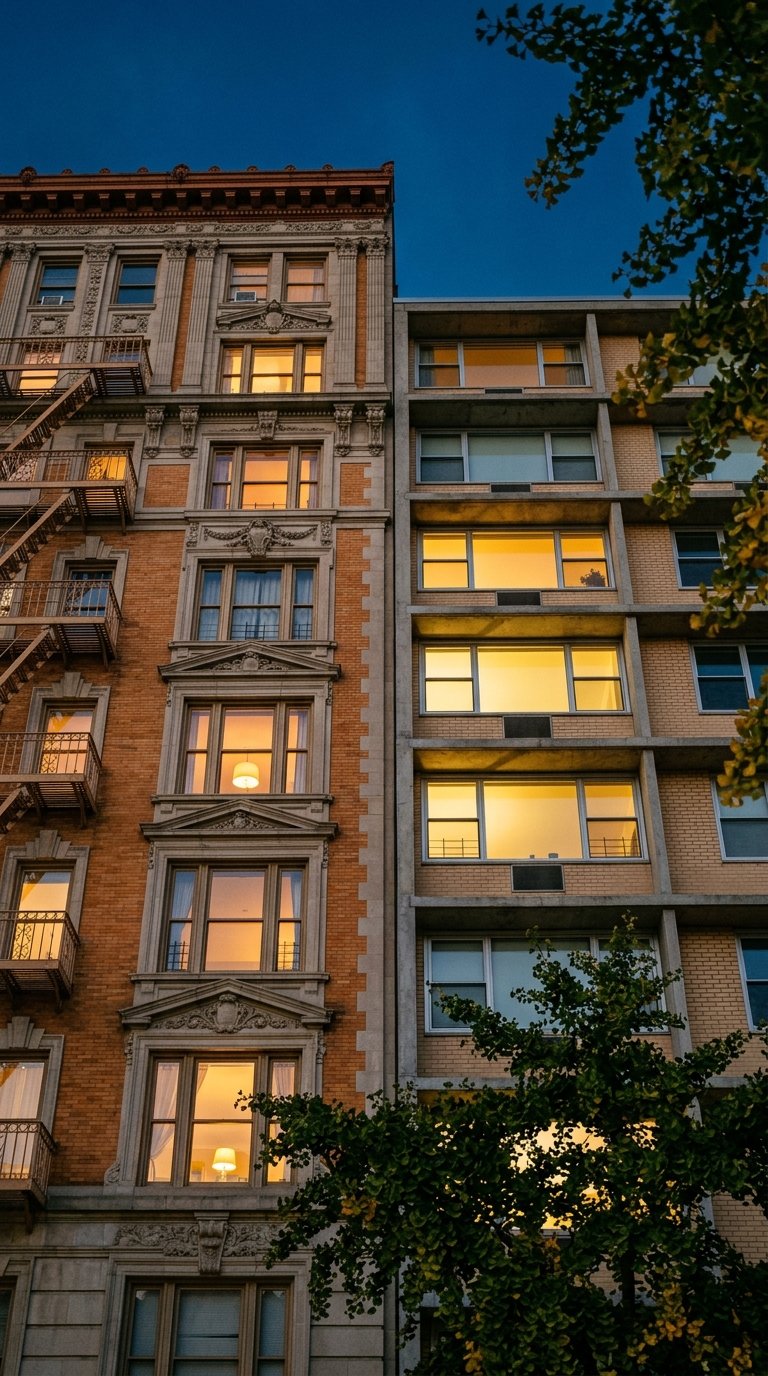
Pre-war buildings were built before World War II. On the Upper West Side, these buildings are known for larger rooms, separate public and private spaces, large windows, wood paneling, ornate plasterwork, and facades influenced by Beaux-Arts or Renaissance Revival design.
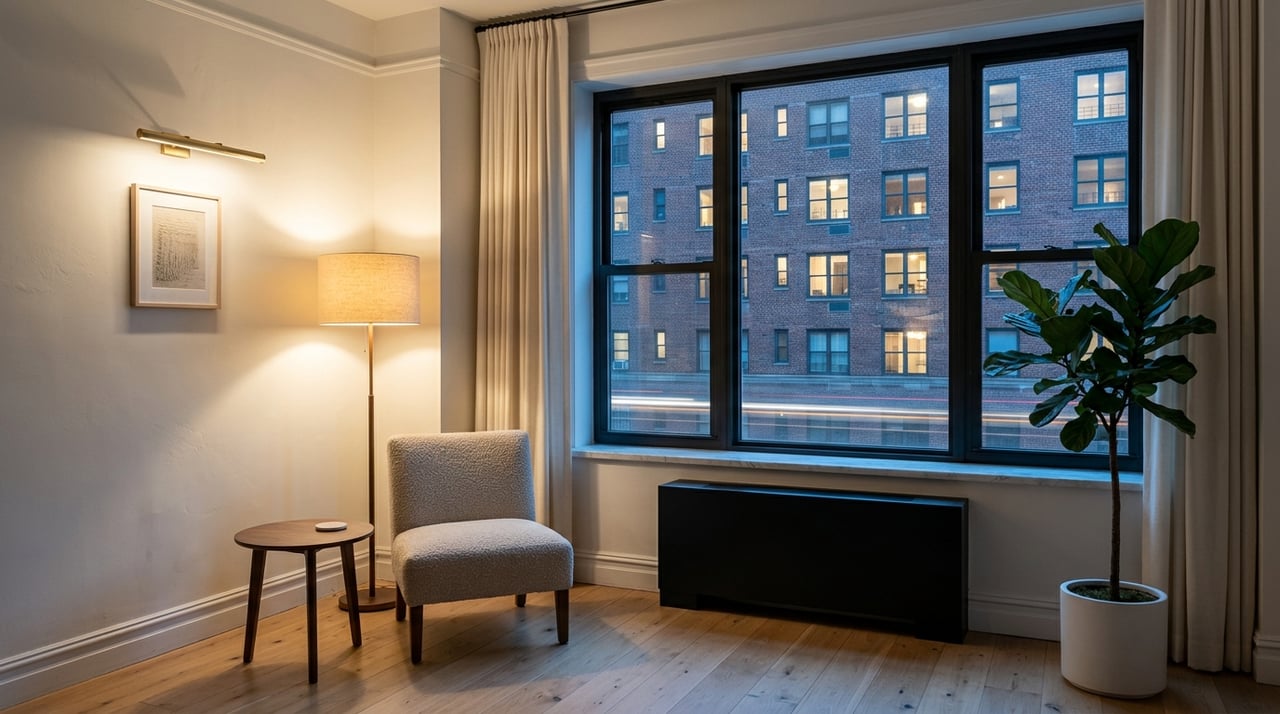
For you as a buyer, that often means a home with higher ceilings, thicker walls, and a more gracious layout. Many pre-war apartments feel less standardized than newer homes, which is part of their appeal. You may find formal entry foyers, distinct dining areas, and room separation that supports a quieter or more traditional setup.
The pre-war look is especially easy to spot on Central Park West, Riverside Drive, and West End Avenue. These streets include many of the neighborhood’s best-known apartment houses and define much of the classic UWS identity.
Common trade-offs in pre-war buildings
Pre-war charm usually comes with some compromises. These buildings tend to offer fewer amenities, and they are less likely to include in-unit washer and dryers. They are also more often co-ops than condos.
That ownership structure can affect both the buying process and the monthly budget. It can also matter if you want a simpler renovation path or more flexibility in how the apartment is updated.
What post-war living usually feels like
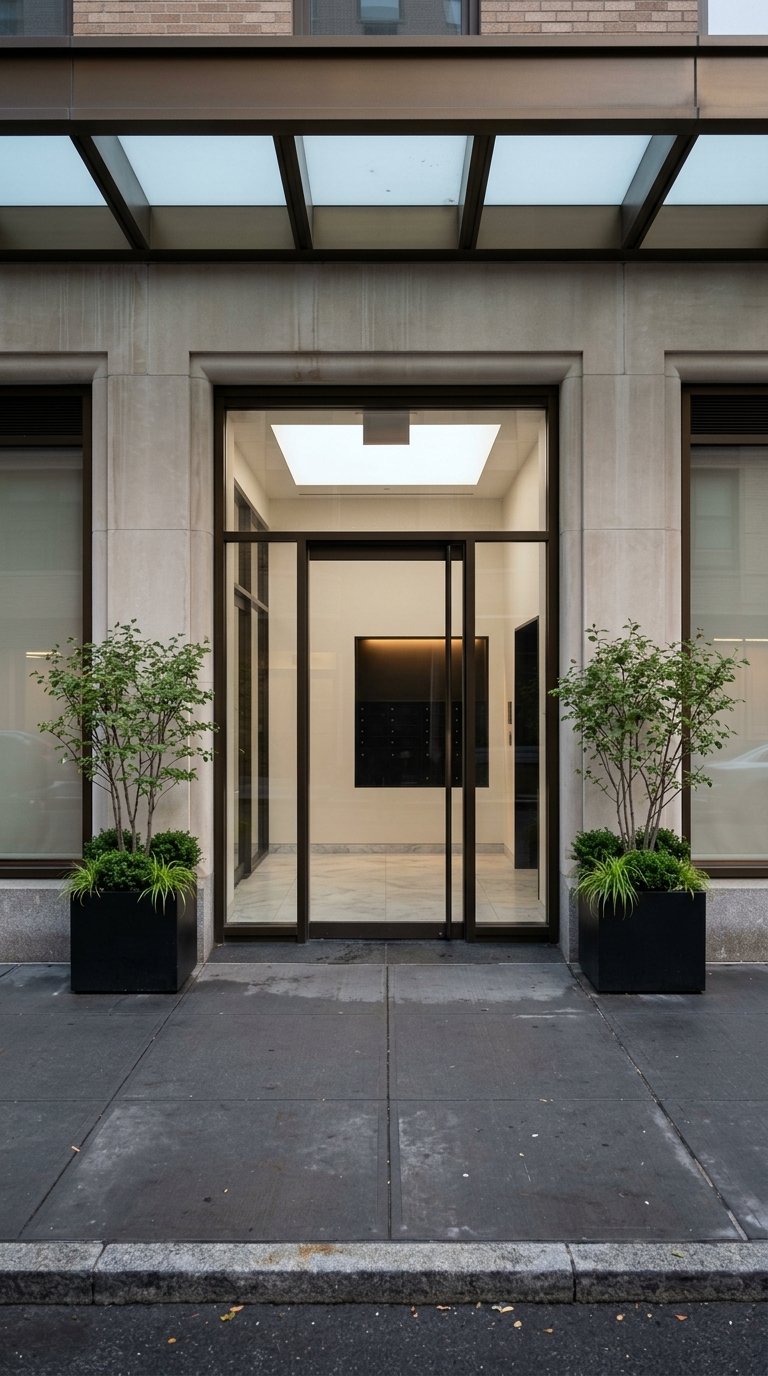
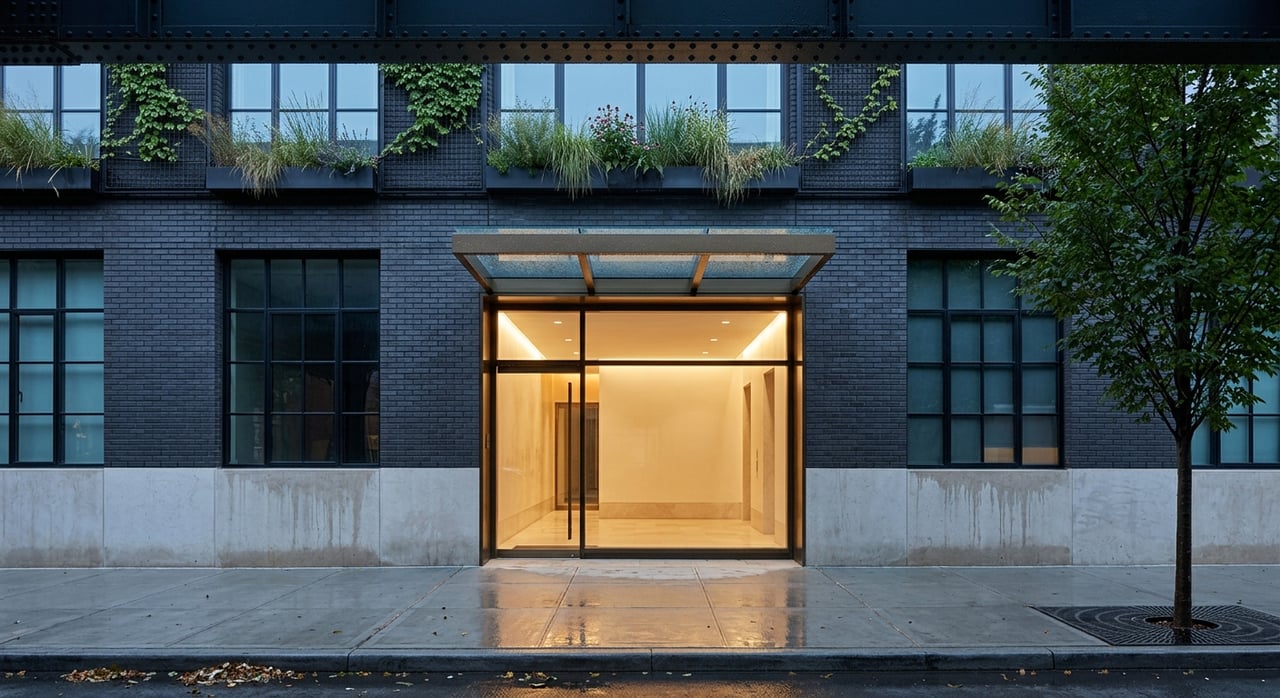
Post-war is a broad category, but in New York it usually refers to buildings constructed after World War II, often from the 1950s through the 1970s and sometimes later. On the Upper West Side, post-war buildings often kept similar street presence in some areas, but individual apartments became smaller in room count and ceiling height, and buildings could rise taller.
In practical terms, post-war homes usually feel more streamlined. You are more likely to see boxier layouts, less formal dining space, lower ceilings, and floor plans that are easier to renovate for modern living.
Many buyers also like the everyday convenience that often comes with post-war buildings. These properties may offer elevators, laundry rooms, doorman service, gyms, outdoor space, parking, and more electrical capacity than older stock.
Common trade-offs in post-war buildings
The biggest advantage is usually efficiency. Layouts often prioritize storage, larger windows, and easier furniture placement, which can work well if you prefer open living over formal room separation.
The downside is that many buyers find post-war architecture plainer and less distinctive. Hallways can be longer, and the overall feel may be less memorable than a classic pre-war building.
Pre-war vs post-war by daily lifestyle
If you are trying to picture the difference, it helps to focus less on the label and more on how you live.
Pre-war buildings often suit buyers who want character, room separation, higher ceilings, and quieter construction. They can be a strong fit if you value original detail and do not need a long amenity list.
Post-war buildings often suit buyers who want efficiency, storage, elevator access, and a more modern building setup. They can be especially appealing if you want a renovation-friendly layout or building features that support busy daily routines.
A simple comparison
| Feature | Pre-war UWS | Post-war UWS |
|---|---|---|
| Typical feel | Classic, detailed, gracious | Efficient, streamlined, practical |
| Layout style | More formal rooms and separation | More open and flexible flow |
| Ceilings | Often higher | Often lower |
| Walls | Often thicker | Varies |
| Amenities | Usually fewer | Often more |
| In-unit laundry | Less common | More likely, depending on building |
| Ownership type | More often co-op | Mix of co-op and condo |
| Renovation ease | Can be more complex | Often easier if systems are current |
How location shapes the choice
On the Upper West Side, building era often lines up with certain streets and corridors. Central Park West, Riverside Drive, and West End Avenue are the classic pre-war corridors. Broadway has long served as the neighborhood’s apartment-house spine, while Amsterdam Avenue is known as the commercial spine.
That means your search may naturally shift depending on what you value most. If you are drawn to landmark architecture and a classic apartment-house setting, the park-adjacent avenues may feel more aligned. If you want a broader mix of building types and layouts, Broadway often gives you a different cross-section of the neighborhood.
Monthly costs can be misleading
One of the biggest mistakes buyers make is comparing only the headline monthly number. On the Upper West Side, the real cost picture often depends as much on ownership structure as on building era.
According to NYC Finance, co-op owners do not receive a separate building property tax bill directly. The board receives that bill and allocates property taxes to shareholders as part of maintenance or common charges. Condo owners, by contrast, generally pay property taxes separately, while common charges cover building operations.
That means a pre-war co-op can look expensive on paper because the maintenance number may already include taxes. A post-war condo may appear cheaper if you only look at common charges, even though a separate tax bill still needs to be added.
Compare full carrying cost
The better comparison is your full monthly carrying cost. Before you decide that one apartment is more affordable than another, ask for the full picture:
- Monthly maintenance or common charges
- Property taxes, if billed separately
- Any current assessments
- Building-wide capital projects that may affect future costs
This is especially important in older buildings, where upkeep can raise monthly expenses over time. Older co-ops may refinance major capital improvements, and maintenance can rise depending on how costs are shared across shareholders. Mid-century buildings can also face practical expense issues tied to building-envelope repairs, ventilation systems, or other building-wide work.
Questions to ask before you choose
The smartest Upper West Side buyers do not stop at the era label. They dig into how the apartment and building actually function.
Here are the questions worth asking:
- Does the layout support open living or formal rooms?
- Is in-unit laundry allowed?
- Is the building a co-op or condo?
- Do the monthly costs include property taxes?
- How much deferred maintenance or assessment risk is already in the building?
- Are the electrical and plumbing systems current enough for your renovation plans?
These questions can tell you more than the words pre-war or post-war ever will.
Which one is right for you?
If you want architectural character, taller ceilings, and a home that feels distinctly Upper West Side, a pre-war building may be the better fit. If you are comfortable with fewer amenities and a co-op structure, that trade can make a lot of sense.
If you want easier daily function, more building services, and a layout that aligns with modern renovation goals, a post-war building may be the better match. You may give up some detail and charm, but gain convenience and flexibility.
In the end, the right choice depends on how you live, what kind of building process you are comfortable with, and how you want your monthly costs to look in real terms. On the Upper West Side, both paths can work well when the apartment, building, and budget all line up.
If you are weighing pre-war versus post-war options on the Upper West Side, working with a broker who understands Manhattan co-ops, condos, and building-level trade-offs can save you time and help you compare homes more clearly. To talk through your search or your sale, connect with David Menendez.
FAQs
What is the difference between pre-war and post-war buildings on the Upper West Side?
- Pre-war buildings were built before World War II and often have larger rooms, higher ceilings, thicker walls, and more formal layouts. Post-war buildings were built after World War II and usually offer more efficient layouts, more amenities, and easier renovation potential.
Which Upper West Side streets are most known for pre-war buildings?
- Central Park West, Riverside Drive, and West End Avenue are widely recognized as the classic pre-war corridors, while Broadway has long been a major apartment-house spine in the neighborhood.
Are pre-war apartments on the Upper West Side usually co-ops?
- Many pre-war apartments on the Upper West Side are co-ops, which can affect the buying process, monthly charges, and renovation rules.
Do post-war Upper West Side buildings usually have more amenities?
- Many post-war buildings are more likely to offer features such as elevators, laundry rooms, doorman service, gyms, outdoor space, parking, and stronger electrical capacity.
How should buyers compare monthly costs in UWS co-ops and condos?
- Compare the full monthly carrying cost, not just maintenance or common charges. In co-ops, property taxes are often included in maintenance, while condo owners generally pay taxes separately.
Is pre-war or post-war better for renovation on the Upper West Side?
- Post-war apartments are often easier and less expensive to update when building systems are current, while pre-war renovations can be more complex depending on layout and building conditions.