What does it really mean to buy a condo near the High Line in Chelsea? For many buyers, the appeal is obvious: open-space access, striking architecture, and a West Chelsea address that carries real cachet. But the right purchase usually comes down to a more practical question, which is how much activity, exposure, and pricing premium you are comfortable with. This guide will help you understand the trade-offs, compare the main condo types, and narrow in on the kind of block and building that fits your goals. Let’s dive in.
Why the High Line matters
The High Line is a 1.45-mile elevated public park built on a former West Side rail line. In Chelsea, it has access points around 14th, 16th, and 23rd Streets, with additional access farther north toward 30th and 34th Streets. The park opened in phases from 2009 through 2019, and the High Line-Moynihan Connector opened in 2023.
That public amenity is not a small detail. City officials said the High Line drew about 7 million annual visitors as of 2024, which means it shapes both daily street life and long-term buyer demand. If you are shopping nearby, you are not just buying a home. You are also buying into a very specific urban setting.
West Chelsea condo premiums
Part of the value story comes from planning and zoning. NYC’s Special West Chelsea District was designed to encourage residential development, support arts-related uses, and facilitate the High Line as accessible public open space.
The zoning also aims to keep the park unobstructed and preserve light, air, and view corridors around it. For buyers, that helps explain why condos near the High Line can command a premium, especially when they offer open views or direct park adjacency.
Chelsea housing near the High Line
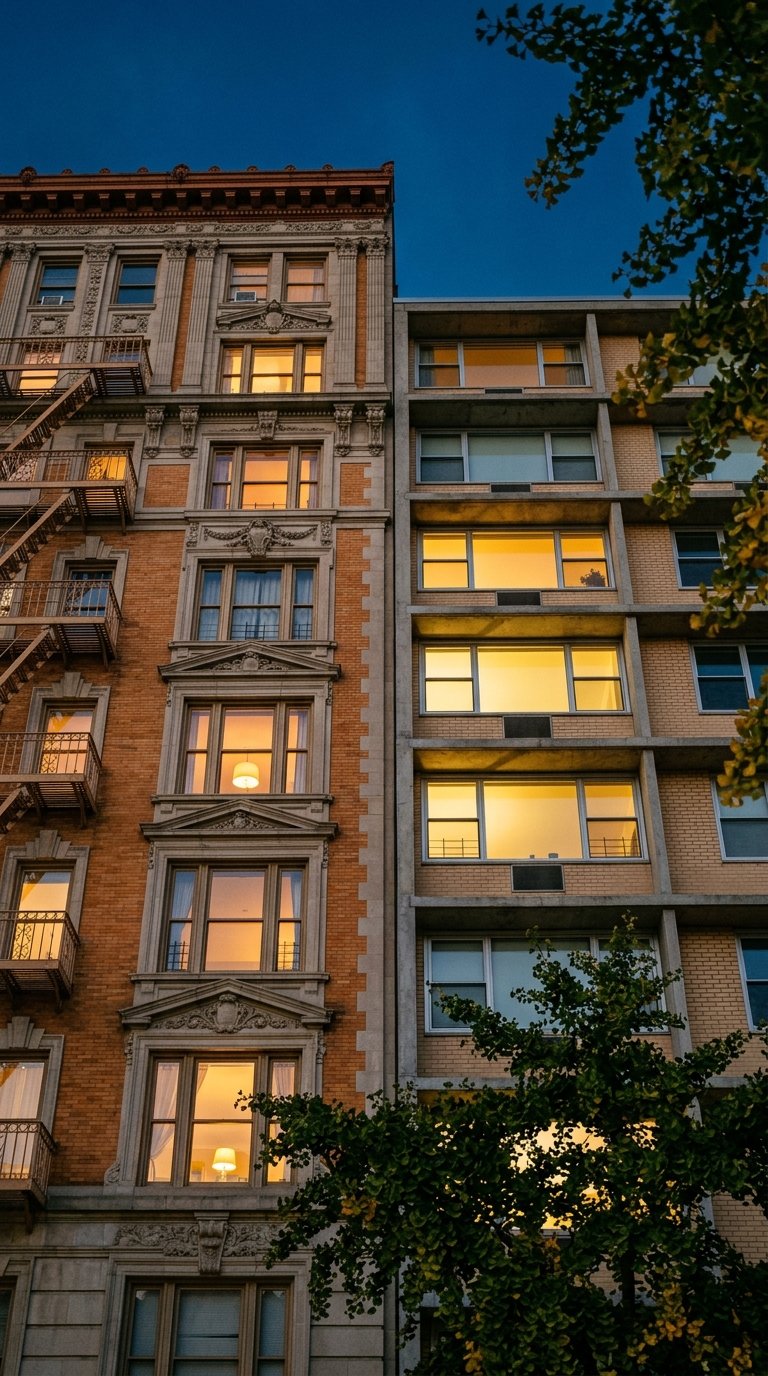
One of the biggest mistakes buyers make is assuming that “near the High Line” describes one type of property. In reality, the housing stock varies quite a bit from block to block and building to building.
Chelsea’s industrial history still shows up clearly here. The West Chelsea Historic District is known for warehouse and early-modernist industrial buildings with brick facades and utilitarian details, which is one reason many homes in this area still have a loft-like feel, even after residential conversion.
Loft conversions
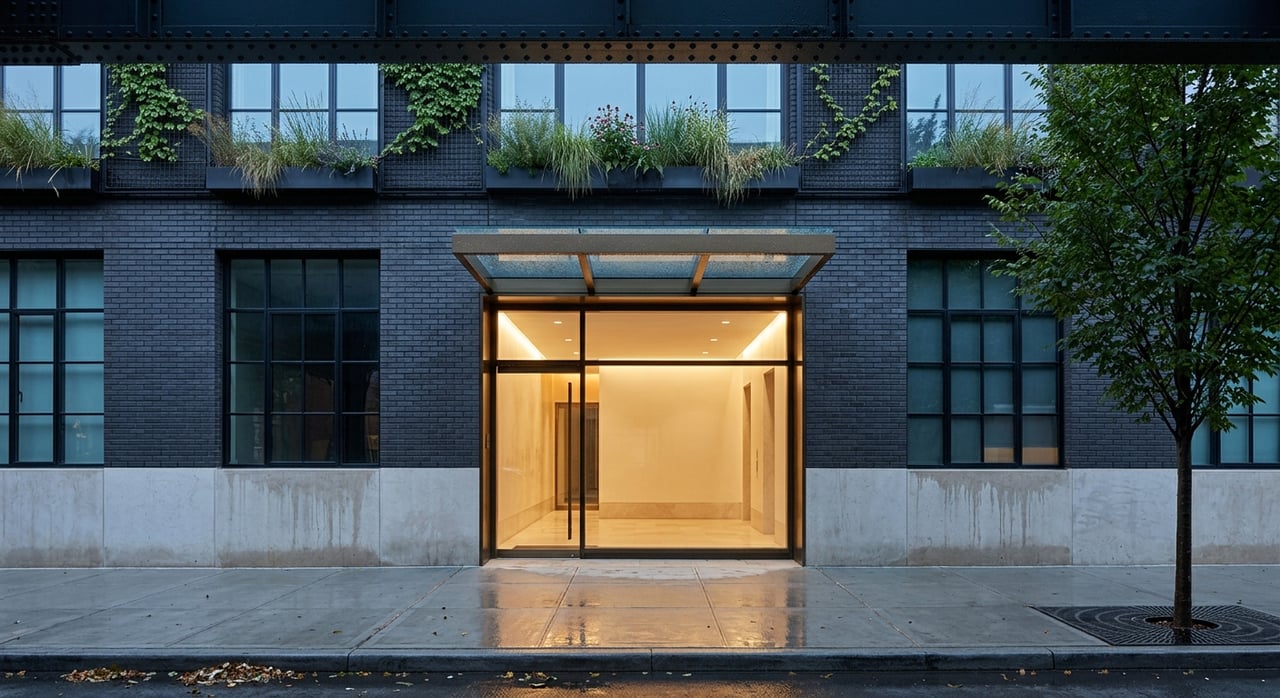
If you like character, scale, and a more industrial aesthetic, loft conversions are often the natural starting point. A building like Loft 25 at 420 West 25th Street, a 1912 former ink press building converted into a 79-unit, 9-story condo, shows the kind of industrial-conversion product still available near the gallery district.
These buildings can appeal to buyers who want architectural personality and a connection to West Chelsea’s older built fabric. They also tend to feel different from newer tower product, both in layout and in overall atmosphere.
Boutique condos
Some buyers want proximity to the High Line without a large-building feel. Boutique condos can fill that middle ground.
Highline 519 at 519 West 23rd Street is one example. It is an 11-unit, 12-story condo built in 2005 with full-floor apartments and private outdoor spaces, which reflects the smaller, more private format that many buyers find attractive.
Newer luxury towers
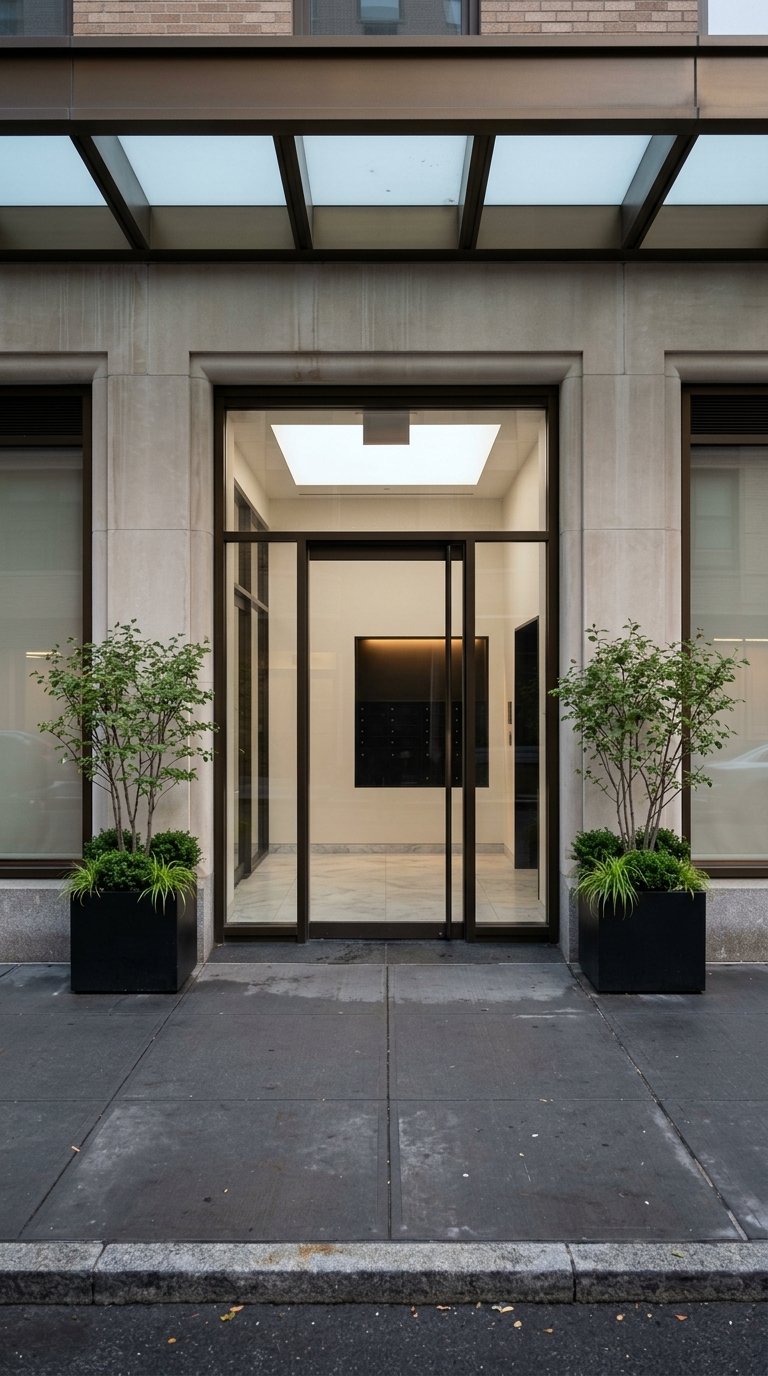
At the upper end of the market, newer developments deliver a different ownership experience. These buildings often offer larger amenity packages, more services, and a more polished contemporary finish level.
Soori High Line at 522 West 29th Street is a 31-unit, 11-story condo built in 2017, while One High Line at 500 West 18th Street is a 236-unit, 36-story condo completed in 2022 that spans a full city block between Tenth and Eleventh Avenues. Current asking prices at One High Line range from about $2.65 million for a one-bedroom to about $26.6 million for a penthouse, which underscores how wide the pricing range can be for newer West Chelsea product.
Choosing the right block
Buying near the High Line is often less about the neighborhood in general and more about the exact block. A condo one block away can feel meaningfully different from one directly beside a major access point.
Because the High Line is elevated and public, the blocks closest to its entrances usually feel the most active at street level. In practical terms, units nearest the 14th, 16th, and 23rd Street entrances are more likely to trade privacy for immediate access, while higher-floor or more set-back homes can offer more separation from the flow of visitors.
South edge feel
Around Gansevoort to 16th Street, you can expect the strongest tourist and restaurant spillover along with the most immediate park access. If your priority is being in the middle of the action, that can be a plus.
If your priority is a quieter day-to-day living experience, these blocks may require closer scrutiny. Floor level, window orientation, and how directly the apartment faces the park matter a lot here.
Middle Chelsea balance
Roughly 19th to 23rd Streets is often a practical compromise zone. You still get gallery energy and park access, but the feel can be more residential than the busiest southern stretch.
For many buyers, this is where the search gets interesting. You may be able to stay close to the High Line experience without taking on the same level of foot traffic and exposure found near the most heavily used entrances.
North edge product mix
From roughly 24th to 30th Streets, you tend to see more new-development density and larger-scale luxury product. Street conditions can still be active, but this stretch may feel somewhat less congested than the most visited southern blocks.
If you want newer inventory, more full-service options, or larger-scale buildings, this part of the corridor may deserve extra attention. It often appeals to buyers who prioritize contemporary product over industrial character.
Privacy, views, and floor height
The main High Line trade-off is simple. The closer you are to direct park frontage and major access points, the more likely you are to encounter pedestrian activity and visual exposure, especially on lower floors.
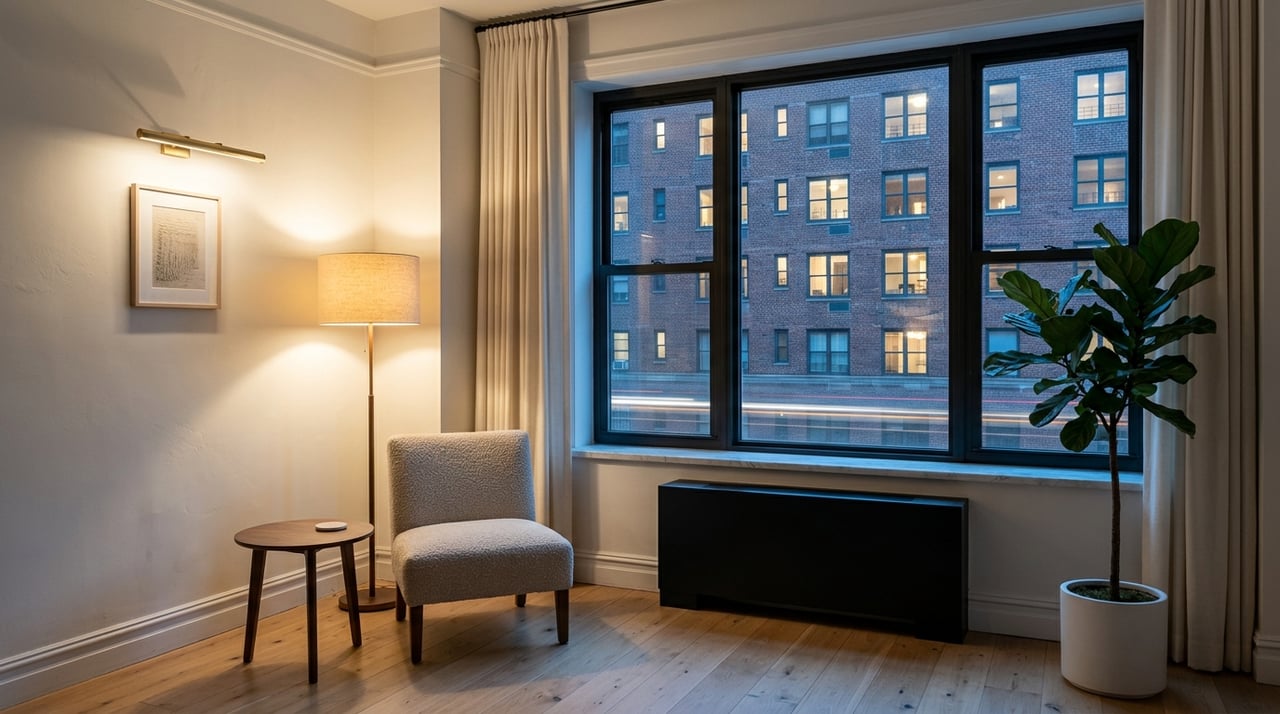
That does not mean park adjacency is a bad choice. It just means you should evaluate it with clear eyes. In many cases, the strongest balance is a higher-floor unit or a slightly set-back residence that still captures the open-space benefit without sitting directly on the busiest frontage.
When touring condos near the High Line, focus on a few practical variables:
- Floor height
- Orientation to the park or side street
- Distance from the nearest entrance
- Whether the building is a loft conversion, boutique condo, or larger full-service tower
Those details often matter more than broad neighborhood labels. In Chelsea, the exact address can shape your day-to-day experience in a meaningful way.
Chelsea pricing and expectations
Chelsea remains one of Manhattan’s higher-priced neighborhoods. PropertyShark reported a May 2026 median sale price of $1.7 million, a median price per square foot of $1,656, and a median condo price of $2.9 million in Chelsea, compared with Manhattan’s overall median sale price of $1.3 million.
For buyers near the High Line, the premium usually reflects a combination of park adjacency, architectural pedigree, and a more animated street environment. Newer condos along the corridor can be especially expensive, but the value proposition differs depending on whether you prioritize views, design, privacy, or building services.
A practical buying strategy
If you are serious about buying near the High Line, it helps to approach the search with a framework instead of a broad wish list. Start by deciding which trade-off matters least to you.
For example, if you care most about convenience to the park, you may accept more activity outside your building. If you care most about privacy and calm, one block off the park or a higher-floor home may offer a better fit while still keeping you close to the same Chelsea lifestyle.
A simple way to compare options is to evaluate each listing through these questions:
- Do you want loft character, boutique privacy, or full-service scale?
- How important is direct High Line access?
- Are open views worth a higher purchase price?
- Would a set-back or side-street unit feel more comfortable day to day?
- Does the exact block support the way you want to live?
In a micro-market like this, the best choice is rarely the one that sounds best on paper. It is the one that lines up with your priorities in person.
If you want clear, steady guidance as you compare Chelsea condos near the High Line, David Menendez can help you evaluate the block, building, and trade-offs with a practical Manhattan lens.
FAQs
What types of condos can you find near the High Line in Chelsea?
- Near the High Line, you can find converted industrial lofts, boutique mid-rise condos, and larger newer luxury towers, often with very different layouts, amenities, and price points.
What is the main trade-off when buying next to the High Line?
- The main trade-off is that immediate park access often comes with more pedestrian activity and more visual exposure, especially on lower floors and near major entrances.
What part of Chelsea feels most active near the High Line?
- The southern stretch, around Gansevoort to 16th Street, tends to have the strongest tourist and restaurant spillover along with the most immediate park access.
What area near the High Line offers a middle-ground option?
- Roughly 19th to 23rd Streets is often a practical compromise, with park access and gallery activity but a somewhat more residential feel than the busiest southern blocks.
What should you compare when touring condos near the High Line?
- You should compare floor height, unit orientation, distance from the nearest park entrance, and whether the building is a loft conversion, boutique condo, or larger full-service tower.