If you only know SoHo for packed sidewalks and flagship stores, you are only seeing part of the picture. Living here feels different once you understand the buildings, the side streets, and the rhythm that starts after the daytime crowds thin out. If you are considering a move to SoHo, this guide will help you see what daily life is really like, what kinds of homes exist, and what practical tradeoffs come with the address. Let’s dive in.
SoHo Is More Than Retail
SoHo has a strong shopping identity, but the neighborhood is also a mixed-use residential area with a distinct physical character. It sits within Manhattan Community Board 2, in the larger downtown area that includes places like Greenwich Village, NoHo, Little Italy, Chinatown, Hudson Square, and the Gansevoort Market.
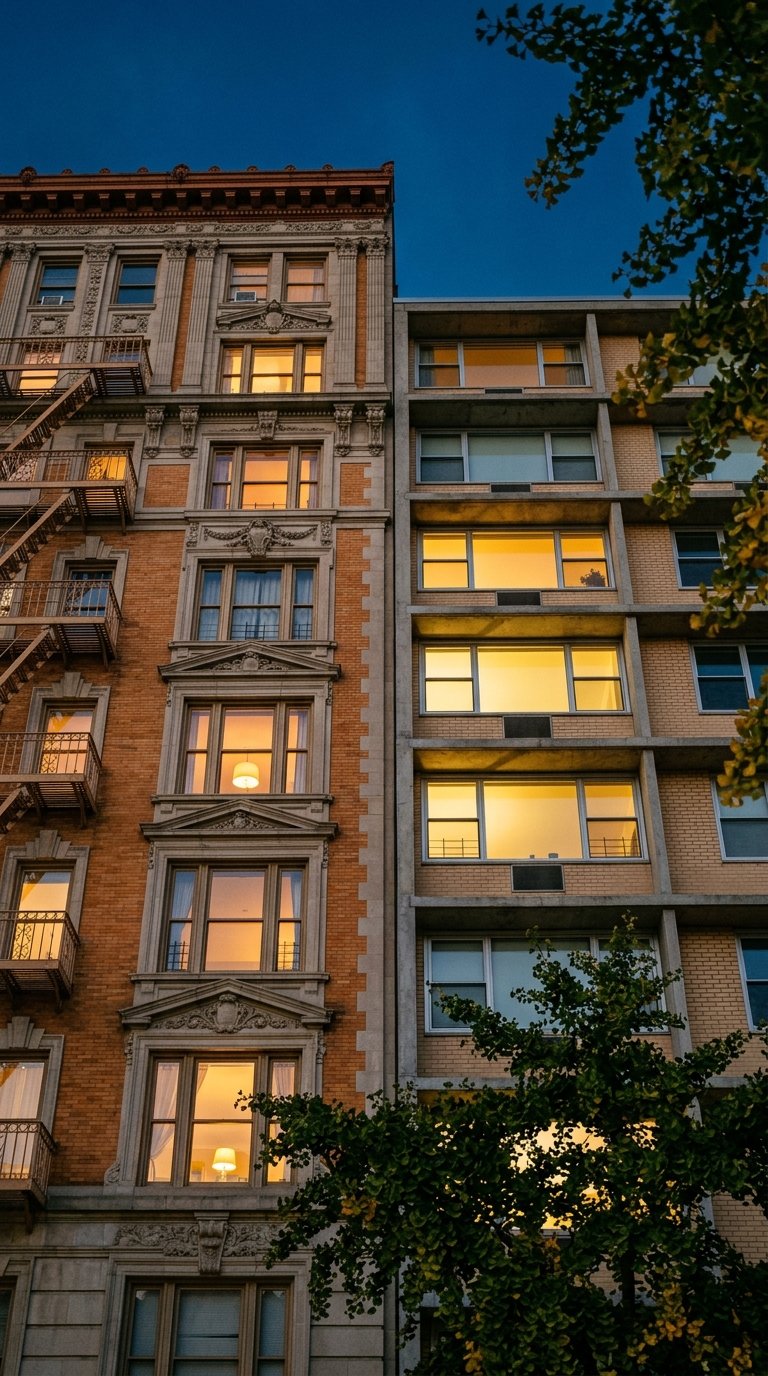
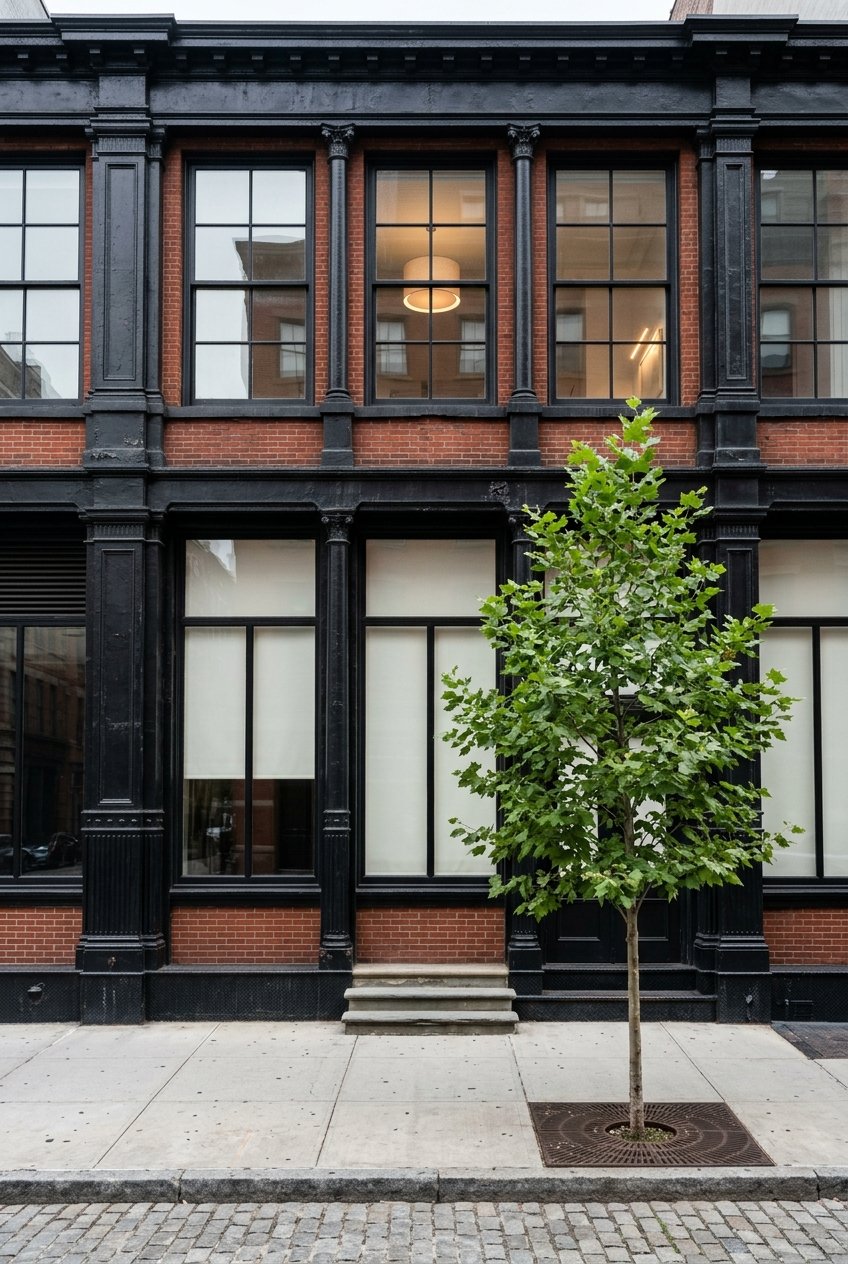
What makes SoHo stand out is its built form. The neighborhood is known for loft buildings, especially within the SoHo-Cast Iron Historic District, a 26-block area with about 500 buildings and the largest concentration of full and partial cast-iron façades in the world.
That historic framework shapes the living experience. Instead of a broad supply of standard apartment buildings, SoHo is defined by five- to seven-story loft buildings, taller structures along Broadway, and a mix of retail, office, loft, and residential uses stacked within the same blocks.
What Homes In SoHo Look Like
If you are expecting a typical Manhattan apartment search, SoHo can feel different right away. The housing stock is limited, highly specific, and often tied to older conversion patterns rather than conventional condo or co-op inventory.
Many homes are loft-style spaces in former commercial buildings. That often means larger floor plates, distinctive layouts, and a building-by-building story that matters more here than in neighborhoods with more uniform housing stock.
In practical terms, buyers need to pay close attention to legal status. In SoHo, a unit may be a conventional residential unit, a Loft Law unit, or a live-work loft with special occupancy rules.
Why Unit Type Matters
The 2021 SoHo/NoHo Neighborhood Plan created the Special SoHo-NoHo Mixed Use District and replaced the older zoning framework. It also created a voluntary path for some joint living-working quarters for artists space to convert to residential use, while preserving existing conforming joint living-working quarters for artists use.
That matters because not every SoHo home operates under the same rules. The Department of Cultural Affairs states that working-artist certification is required for joint living-working space in certain districts, while Loft Law interim multiple dwelling buildings can be occupied as residential space without that certification.
For you as a buyer, that means the appeal of a loft should always be matched with careful review of what the space legally is. In a neighborhood like SoHo, the details behind the listing are just as important as the finishes and ceiling height.
Daily Life Feels More Local Than You Might Expect
SoHo can be busy, but that does not mean it feels chaotic all the time. The neighborhood has about 25,000 residents, around 21,000 workers, roughly 1.5 million square feet of retail, and about 3 million square feet of office space, so it carries a true mixed-use rhythm.
During the day, Broadway and the main corridors can feel dense and fast-moving. The area is widely described as walkable and human-scale, but that comes with a tradeoff: activity is part of the experience.
A 2024 community survey helps put that into context. In that survey, 81.8 percent of respondents said SoHo sidewalks felt more or much more congested than in other neighborhoods, yet 90.5 percent said the neighborhood felt safe or safer than other busy New York City neighborhoods.
That combination tells you a lot about living here. SoHo can feel crowded without feeling unlivable, and many residents seem to distinguish between congestion and comfort.
Side Streets Change The Experience
One of the biggest differences in SoHo is where you are standing. Broadway, Canal Street, and Houston Street carry more traffic, more foot activity, and more of the neighborhood’s public-facing energy.
Step onto side streets, and the mood can shift. City planning documents support the idea that calmer residential pockets are more likely away from the busiest corridors, where lower-intensity uses and smaller-scale buildings are more common.
This is one reason SoHo can surprise people who only visit to shop. A block or two can make a real difference in noise, pace, and the sense of privacy you get from a home.
The Neighborhood Routine Goes Beyond Browsing
Living in SoHo is not just about access to stores. Resident-oriented spots mentioned in community materials include Fanelli Cafe, Balthazar, Mangia, Housing Works Bookstore, the Angelika Film Center, and a coffee cart at Houston and Broadway.
That gives you a better feel for the day-to-day pattern. It is a neighborhood where your routine may include a morning coffee run, dinner nearby, a bookstore stop, or a movie after work.
In other words, SoHo works best when you appreciate it as a place to live between destinations, not just a destination itself. Its appeal is often in the convenience of having many small rituals within walking distance.
Open Space Is Limited
One of SoHo’s clearest tradeoffs is open space. Public planning materials note that the area has very little usable open space for formal programming or passive use.
That helps explain why even small pedestrian spaces and plazas matter here. In 2022, city officials described Rapkin-Gayle Plaza as much-needed park space for the neighborhood and framed it as a welcoming open space in the spirit of SoHo.
If outdoor space is a major priority for you, this is something to weigh carefully. SoHo offers an urban, built-in lifestyle, but it is not a neighborhood defined by large park access within its core.
Commuting From SoHo Is A Strong Advantage
For many buyers, SoHo’s transit access is a major reason to look here. The neighborhood is served by an unusually broad range of subway options for a downtown Manhattan location.
Nearby stations include Prince Street, Spring Street, Broadway-Lafayette Street, Canal Street, and West 4th Street-Washington Square. Together, those connections provide access to the 1, 6, A, B, C, D, E, F, J, M, N, Q, R, W, and Z lines.
That kind of flexibility makes SoHo appealing if you want easier movement between downtown and midtown without depending on a car. For many residents, that convenience is part of the value of the neighborhood.
Street Access Is Less Easy
Transit is strong, but curbside convenience is a separate issue. Public-realm planning documents and community survey results point to traffic congestion, pedestrian delay, and street-safety concerns, especially along Broadway and other major corridors.
If your daily routine depends on frequent car service pickups, deliveries, or driving, that is worth factoring in. SoHo tends to reward people who are comfortable moving through the city on foot and by subway.
This does not make the neighborhood impractical. It just means the ease of getting around below ground is stronger than the ease of navigating above ground.
Who SoHo Often Fits Best
SoHo tends to appeal to buyers who want a very specific kind of Manhattan experience. If you value distinctive architecture, loft-style living, strong subway access, and a neighborhood with energy built into the streetscape, SoHo can be compelling.
It may be especially attractive if you like character over standardization. The inventory is not broad, but the homes that do exist often offer a type of space and architectural personality that is hard to replicate elsewhere.
At the same time, it is smart to come in with clear eyes. The tradeoffs include congestion, limited open space, and a housing landscape where legal details and building history can matter more than expected.
What Buyers Should Keep In Mind
If you are seriously considering SoHo, a careful search matters here more than in many neighborhoods. A few practical questions can help you focus quickly:
- Is the unit a conventional residential apartment, a Loft Law unit, or a live-work loft?
- Is the block closer to Broadway or Canal Street, or on a quieter side street?
- How important is open space to your day-to-day routine?
- Will your lifestyle benefit more from subway access than from easy car access?
- Are you looking for a standard apartment layout, or do you specifically want loft character?
Those questions can save time and help align the search with how you actually want to live. In SoHo, fit matters as much as budget.
If you are weighing SoHo against other central Manhattan neighborhoods, a grounded, building-specific approach can make the process much clearer. If you want practical guidance on where SoHo fits into your Manhattan search, connect with David Menendez for clear advice and steady local perspective.
FAQs
What kind of homes are common in SoHo?
- SoHo is known mostly for loft-style buildings, conversions, and specialized live-work units rather than a large supply of standard apartment inventory.
Can you live in SoHo if you are not an artist?
- Yes, but it depends on the legal status of the specific unit, since some live-work spaces still have special occupancy rules while other units can be used as residential homes.
Is living in SoHo quiet or busy?
- SoHo is generally busier on Broadway, Canal Street, and Houston Street, while side streets and smaller pockets can feel calmer, especially at night.
Is SoHo good for commuting in Manhattan?
- Yes, SoHo has strong subway access with multiple nearby stations and many train lines, which makes it convenient for getting between downtown and midtown.
Does SoHo have much open space?
- No, public planning materials describe SoHo as having very little usable open space, which is why small plazas and pedestrian spaces play an important role in the neighborhood.