Wondering when to list your Greenwich Village apartment to get the most attention and the cleanest outcome? Timing matters in this neighborhood, and the right two to three weeks can change your days on market and your bottom line. If you plan ahead and align your prep with the Village’s seasonal rhythm, you set yourself up for stronger showings and better offers.
Below, you’ll learn the best listing windows, how co‑op vs condo mechanics affect timing, the prep that actually moves the needle, and a step‑by‑step timeline for a 2–12 week runway. Let’s dive in.
Best months to list in the Village
Spring surge (March to June)
Spring is one of the two primary demand windows in Manhattan. Buyers come back after winter with fresh searches and target closings before summer. In Greenwich Village, that energy translates to more traffic and tighter bidding on quality listings. If you can choose your launch date, going live in early spring (March to mid April) helps you ride the first wave of the season.
Fall window (September to November)
The second strong window begins as buyers return from summer. Listings that hit in late August to early September often see steady activity into November. This timing works well for co‑ops and condos alike, especially if your prep requires a few summer weeks to complete painting, staging, or light renovations.
Slower periods and how to play them
Activity typically eases in late June through August and again from mid December through February. If you need to sell during these periods, you can still succeed. Focus on sharper pricing, turnkey presentation, and clear photography that stands out while buyer attention is spread thin. In slower months, the right prep often matters more than the calendar.
Co‑op nuance on timing
Co‑ops draw a smaller, more qualified buyer pool due to board approvals and stricter financing rules. That makes seasonality even more important. Listing into a stronger window gives you a better chance of finding the right buyer who can also clear the board process.
What sells in Greenwich Village
Housing styles to expect
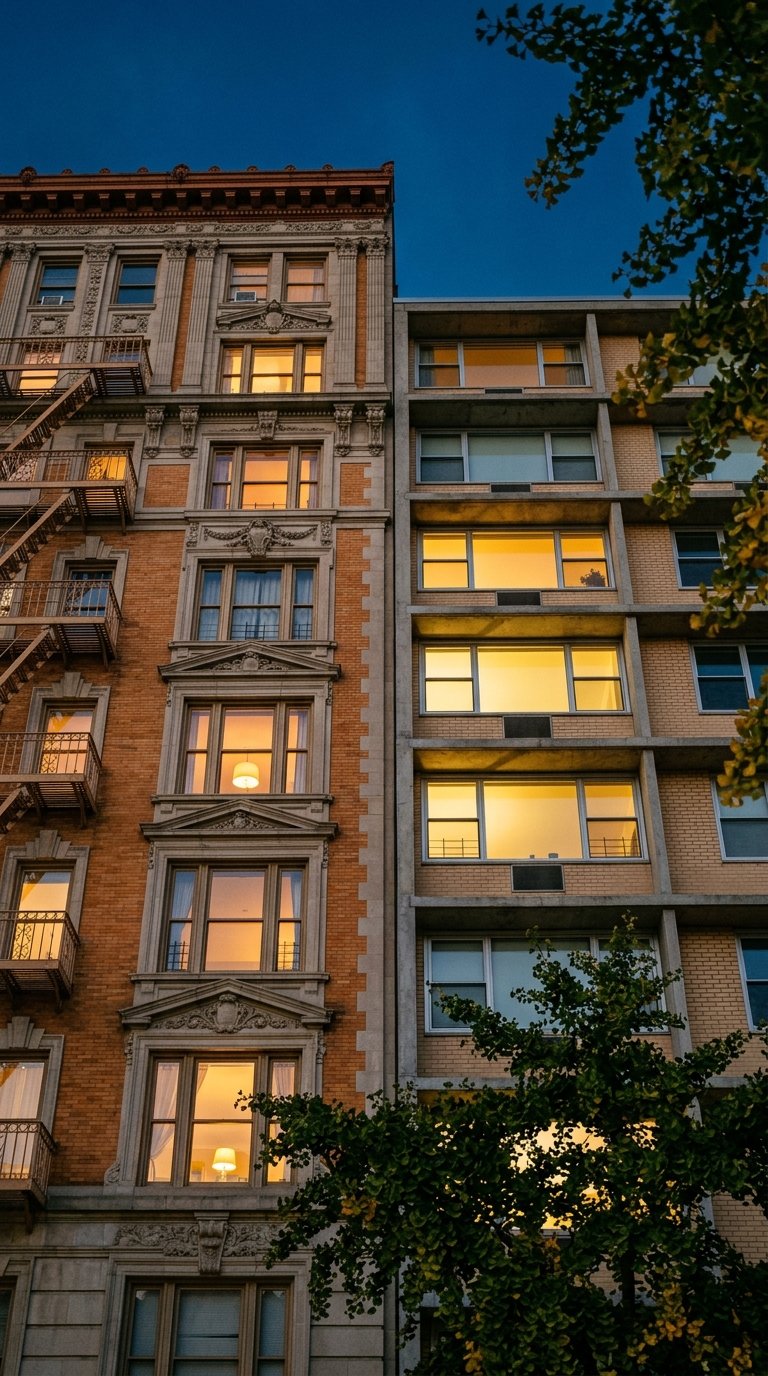
Greenwich Village inventory includes prewar walk‑ups and brownstones, classic mid‑century co‑ops, boutique and larger condos, and loft conversions. Studios and one‑ to two‑bedroom homes are common, with occasional larger floor‑throughs and townhouse configurations.
What buyers look for
- Preserve character. Prewar details like moldings, fireplaces, and exposed beams are assets. Staging should highlight, not cover, these features.
- Maximize space. Use a neutral paint palette, streamlined furniture, and clear walkways to make compact footprints feel larger.
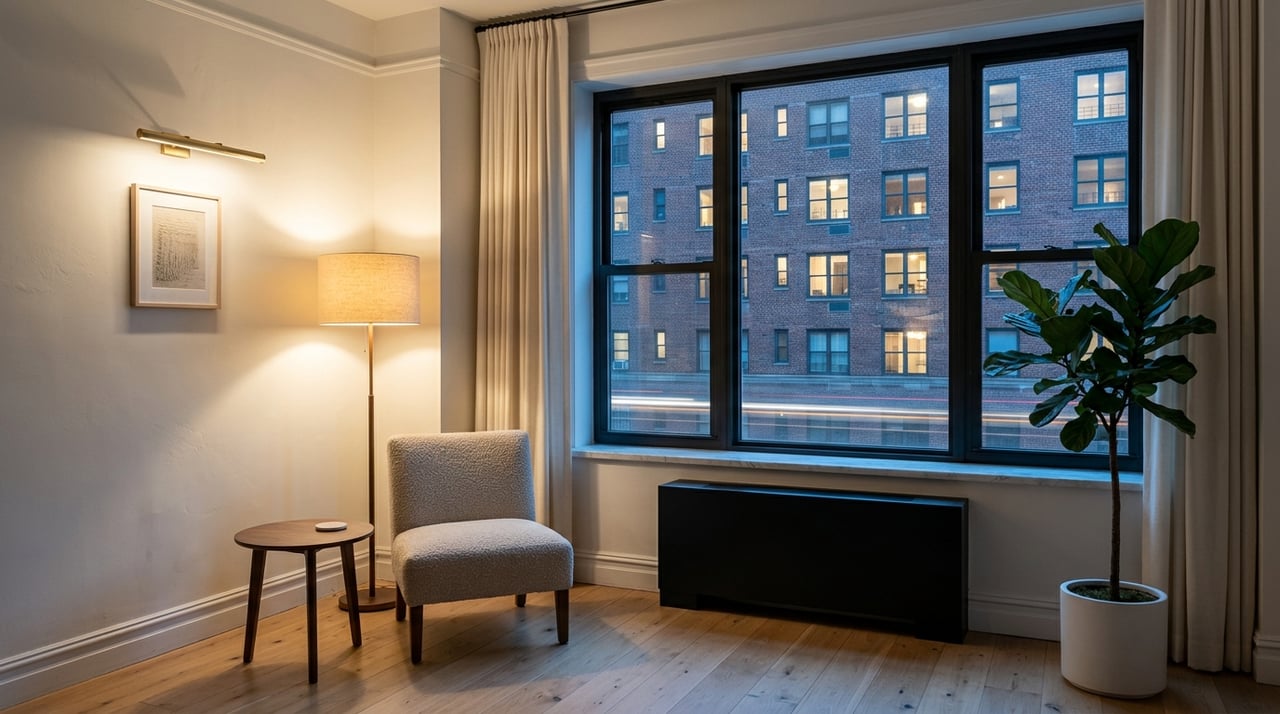
- Elevate light. Mirrors, unobstructed windows, and daylight‑temperature bulbs help brighten interiors on narrower streets.
- Turnkey utility. Updated kitchens and baths, smart lighting, and a defined work‑from‑home zone resonate, especially in studios and one‑bedrooms.
Buyer timing and behavior
Professionals and singles are active year‑round but concentrate in spring and fall. Families time around the school calendar and often target late summer moves. Investors watch year‑round, sometimes looking for value in slower months, though co‑op rules can limit their activity.
Prep that pays off before you list
Quick, high‑ROI cosmetics (1–4 weeks)
- Declutter and depersonalize. Aim for clean surfaces, open closets, and simple art. Plan 1–2 weeks, including storage.
- Neutral paint. Fresh paint in light, neutral tones is one of the best returns in small Village apartments. Allow 2–5 days for a 1–2 bedroom plus scheduling and drying.
- Deep clean and small repairs. Touch up grout, fix hinges, replace plates and bulbs. Plan 1–3 days.
- Light staging. Rent key pieces to define living, dining, and sleep areas. Expect 3–7 days for delivery and setup.
- Professional media. Book photography, floor plans, and video or virtual tours after staging. Popular photographers often need advance notice.
Targeted light renovations (2–6 weeks)
- Kitchen refresh. Update hardware, paint cabinet fronts, add a new backsplash, and swap dated lighting.
- Bathroom refresh. Regrout, replace fixtures, recaulk, and modernize mirrors and lighting.
- Floors and lighting. Refinish or buff floors and upgrade key fixtures to unify spaces.
These updates tend to outperform full gut jobs for pre‑sale, especially when buyers value move‑in ready condition and you want to control timing and cost.
Funding prep with Compass Concierge
Compass Concierge can front approved costs for staging, paint, cosmetic updates, and listing media, with repayment at closing from your sale proceeds. It helps you move faster without out‑of‑pocket spend and can support a higher list price when paired with disciplined execution. Confirm covered services, approval timing, vendor lead times, and repayment terms before you start. Many cosmetic projects complete in 2–4 weeks, though lead times can stretch in peak seasons.
Permits and building approvals
City permitting basics
Cosmetic work like interior paint and hardware swaps typically does not require a Department of Buildings permit. Structural changes or work involving plumbing, electrical, HVAC, or egress often does. Always confirm with a licensed contractor before you begin.
Landmark considerations
Much of Greenwich Village is within historic districts. Exterior changes to windows, facades, or stoops require Landmarks Preservation Commission approval. Interior work behind an unchanged exterior generally does not trigger review. If you are unsure, check with management and your contractor early.
Building rules
Co‑ops and condos maintain house rules that govern contractor hours, elevator use, insurance certificates, and approval processes. Many co‑ops require formal alteration agreements even for light projects. Get clarity from management as soon as you map your scope.
Co‑op vs condo timing and outcomes
Co‑ops: smaller pool, longer approvals
- Buyer screening. Boards review financials, references, and conduct interviews. Down payments may be higher, and some buildings have strict liquidity and sublet policies.
- Timeline impact. Expect 2–6 or more weeks after contract for board package review and the interview. Build this into your overall plan and educate buyers early.
- Pricing implications. Co‑ops sometimes price more conservatively to reflect the tighter buyer pool and additional approvals.
Condos: broader demand, faster closings
- Fewer approvals. Condos offer more flexible financing and simpler building reviews.
- Timeline impact. Condos typically close faster, which can attract a more diverse set of buyers.
- Marketing note. Emphasize advantages like closing speed and financing options when applicable.
A practical 2–12 week pre‑listing timeline
8–12 weeks before listing (ideal for moderate projects)
- Gather building documents. For condos, pull the offering plan and financials. For co‑ops, gather the proprietary lease, by‑laws, recent minutes, and any flip tax details. Consult a co‑op/condo attorney on transfer taxes and closing expectations.
- Engage your listing broker. Align on pricing strategy, seasonal target, and a prep plan.
- Scope and bids. Lock contractor bids for cosmetic updates. If using Compass Concierge, submit for approval and schedule vendors.
- Start major decluttering. Arrange storage to keep the apartment photo‑ready.
4–8 weeks before listing
- Complete paint, floor touch‑ups, and light renovations.
- Book staging for delivery just before photography.
- If any work needs permits or building approval, file now and confirm clearance.
- For co‑ops. Prepare a simple building FAQ and a document packet to share with serious buyers.
2–3 weeks before listing
- Final deep clean and full staging install.
- Capture photography, floor plans, and tour media during peak natural light.
- Draft the listing description and highlight transit, parks, and nearby amenities.
- Quiet pre‑marketing. Float the coming‑soon message to targeted brokers and buyer lists.
Listing week
- Launch in your chosen window (early spring or early fall if you can time it).
- Host open houses and coordinated broker previews.
- Collect early feedback. If multiple buyers flag the same issue, adjust staging, lighting, or price quickly.
Post‑contract (co‑op specific)
- Guide the buyer’s board package timeline and prepare for 2–6 weeks to approval.
- Keep building documents accessible and coordinate with the buyer’s attorney and lender.
Quick checklist
- Neutral paint, clean floors, bright lighting, staged key rooms.
- Fix small defects and refresh hardware and grout.
- Confirm building rules for contractor access and showings.
- Verify any needed permits or landmark reviews.
- Book professional media after staging.
Time‑to‑market estimates
- Minimal prep (declutter, media): 1–2 weeks.
- Moderate prep (paint, staging, media): 2–4 weeks.
- Light reno + staging: 4–8 or more weeks.
- Add co‑op board timing to your full sale roadmap.
How to choose your precise list date
If you have flexibility, target the first half of each demand window. Early spring often outperforms late spring as buyers try to close before summer. Early fall can be more efficient than late fall as year‑end travel picks up. Before you lock your price and date, review the latest neighborhood reports from StreetEasy, Compass Research, Douglas Elliman, and Corcoran to gauge days on market and inventory in your exact micro‑submarket.
Work with steady, local guidance
A seasoned, local approach reduces friction and improves outcomes in the Village. With two decades of Manhattan experience and Compass tools behind the scenes, you get practical prep advice, efficient marketing, and a timeline that matches your goals. If you want to explore a spring or fall launch, or you need to sell during a slower period, let’s map the right plan.
Ready to time your sale and go to market with confidence? Connect with David Menendez to outline your best path.
FAQs
When is the best month to sell a Greenwich Village co‑op?
- Early spring (March to mid April) and early fall (late August to early September) generally align with the strongest buyer activity.
Is summer a bad time to list in the Village?
- Summer can be slower, but a well‑staged, well‑priced listing can still perform; focus on standout presentation and flexible showing access.
How long does co‑op board approval take after an accepted offer?
- Plan for roughly 2–6 or more weeks for board package review and the interview, depending on the building and completeness of the file.
What pre‑sale updates deliver the best ROI in small apartments?
- Neutral paint, lighting upgrades, deep cleaning, targeted kitchen or bath refreshes, and professional staging typically offer strong returns.
Do I need permits for light updates before listing?
- Cosmetic work often does not require a Department of Buildings permit, but electrical, plumbing, or structural changes usually do; confirm with your contractor and building.
How does Compass Concierge work for sellers?
- The program fronts approved prep costs like paint, staging, and media, then is repaid at closing from sale proceeds, helping you move faster without upfront cash.