Trying to decide between East Village and Greenwich Village for your first Manhattan home? You are not alone. Both neighborhoods are lively, walkable, and packed with character, but they differ on price, building types, and how easy it is to buy your first place. In this guide, you will see how the two compare on cost, co-op vs condo realities, amenities, and day-to-day feel so you can choose with confidence. Let’s dive in.
The quick take: price and value
If you are value-focused, the East Village usually stretches your dollars further. In PropertyShark’s January 2026 snapshot, the East Village showed a median sale price of about $815,000, while Greenwich Village posted roughly $1.3 million. You can review the neighborhood trend pages for the East Village and Greenwich Village to see how recent months have moved.
- Expect Greenwich Village to carry a noticeable premium for similar bedroom counts and condition. PropertyShark also shows higher price per square foot in Greenwich Village compared with the East Village.
- Listing medians (asking prices) can run higher than closed-sale medians. Use closed-sale data for budgeting and negotiate based on recent comps.
Bottom line: under about $1 million, you will often find more options and larger spaces in the East Village. As budgets rise into the $1.5 million and up range, both neighborhoods open up, with Greenwich Village offering more classic prewar options at a premium.
What each neighborhood means
Boundaries and character
- East Village generally sits east of the Bowery/Third Avenue between Houston Street and 14th Street, with sub-areas like Alphabet City and Tompkins Square Park. For background, see the East Village overview.
- Greenwich Village runs roughly west of Broadway to the Hudson River, bounded by Houston Street and 14th Street, and includes the West Village and the area around Washington Square Park. Learn more on the Greenwich Village overview.
Both neighborhoods are highly walkable with excellent subway access. The East Village is known for dense dining and nightlife corridors around St. Mark’s Place and Avenue A, while Greenwich Village blends quiet tree-lined blocks with busy cultural corridors near Washington Square and Bleecker Street.
Landmarks and renovation rules
Large parts of Greenwich and the West Village sit within historic districts. That means many exterior alterations and visible mechanical upgrades need Landmarks Preservation Commission review, which can add time and cost to renovations. The East Village has landmarked pockets but fewer blanket historic districts. If you plan to renovate, factor in approvals and timelines. For context on preservation in the Village, see this Village Preservation resource.
Building types and amenities
Product mix impacts both price and lifestyle:
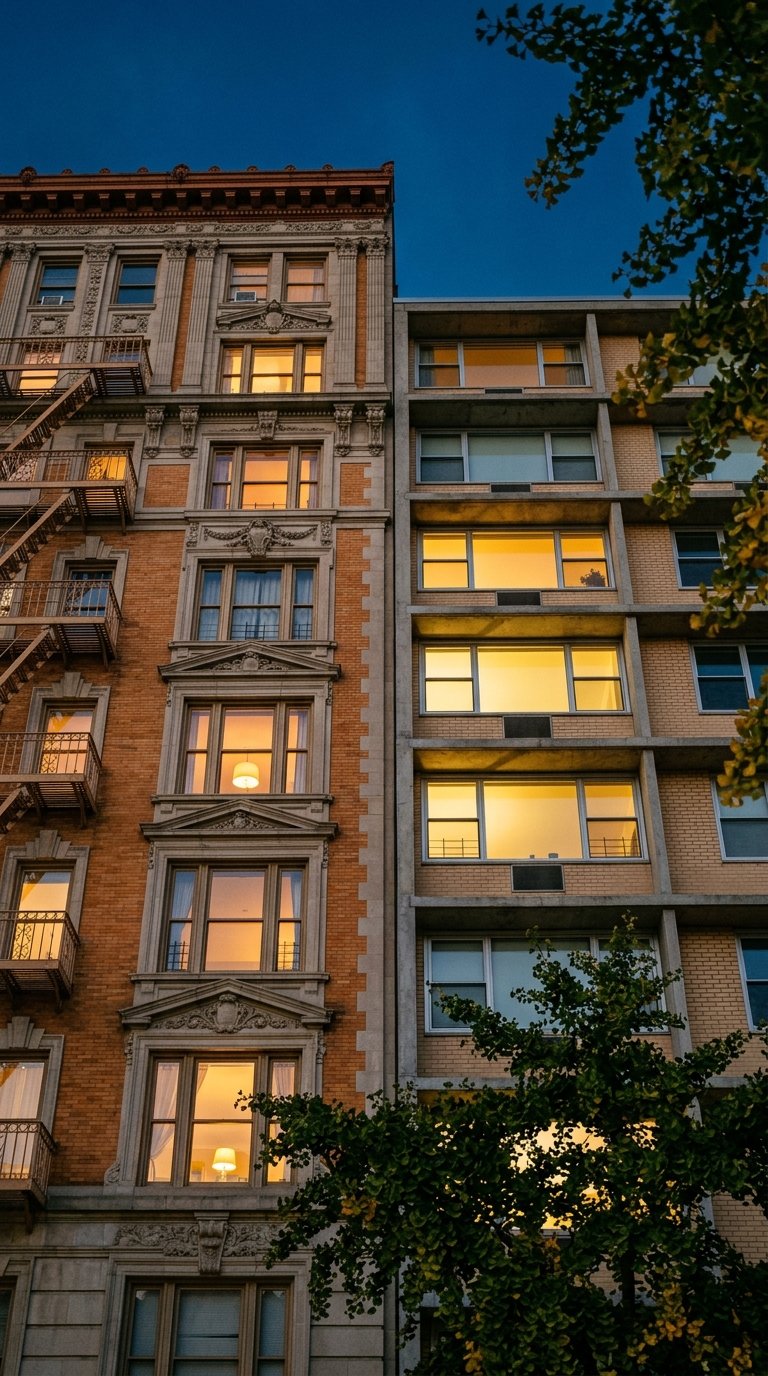
- Greenwich Village: heavy in prewar co-ops and townhouses, with condos a smaller share of resales. This creates tight supply and more co-op board involvement on many purchases. PropertyShark’s neighborhood breakdown highlights the predominance of co-ops in recent closings on the Greenwich Village page.
- East Village: many walk-ups and smaller co-ops plus a meaningful slice of boutique condos and some conversions. You will find more entry-level options here, with wider variety in building services and condition. See the East Village trend page for context.
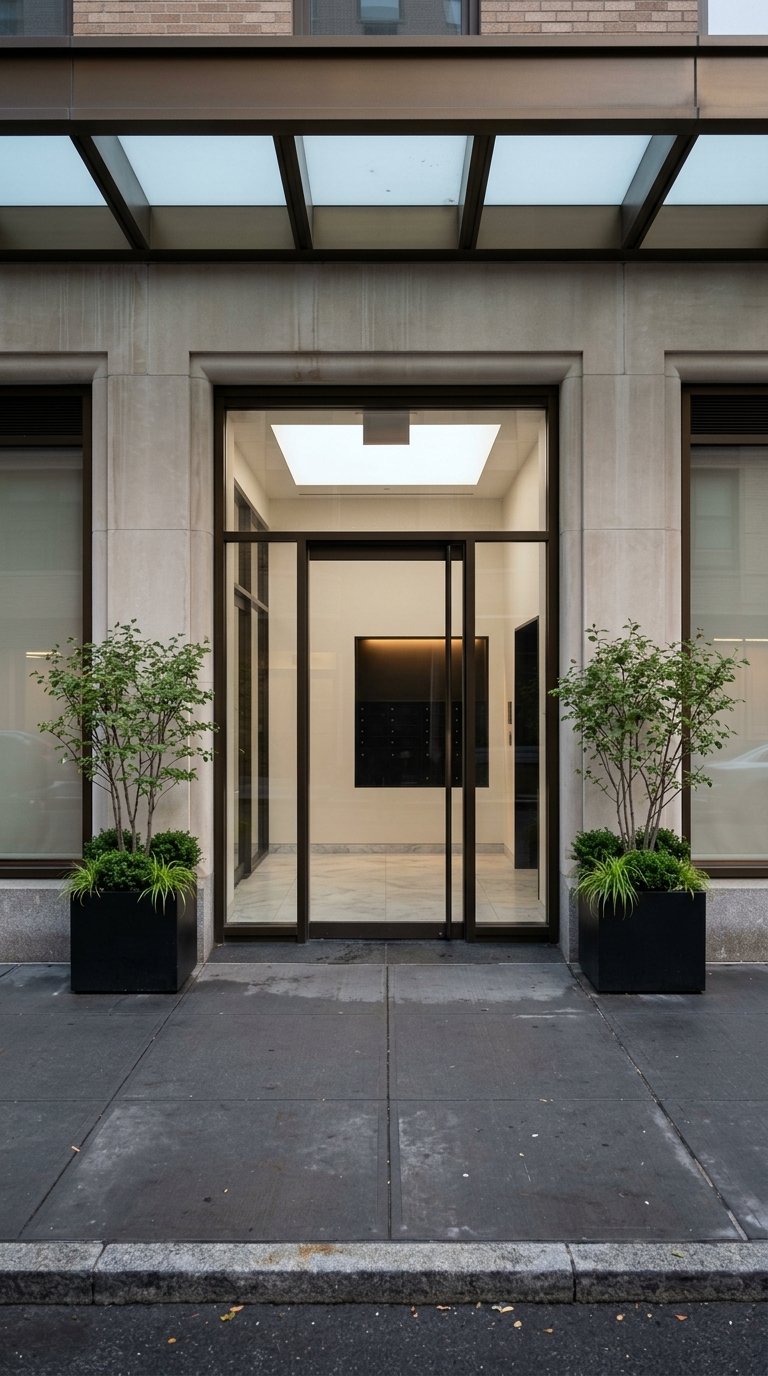
Amenities differ by building type and age. Newer condos tend to offer doorman service, gyms, package rooms, and modern systems. Older co-ops and East Village walk-ups are more likely to be non-doorman and have simpler amenities. Always confirm elevator vs walk-up, laundry setup, package handling, and any move-in restrictions.
Financing reality for first-time buyers
Co-op vs condo: what to expect
- Down payment norms: Many Manhattan co-ops expect about 20 to 30 percent down, plus solid post-closing liquidity. See this clear overview of co-ops from NerdWallet. Condos often work with lower down payments, commonly in the 10 to 20 percent range, though lender programs vary.
- Board review: Co-ops require a full board package and an interview. Be ready with tax returns, account statements, reference letters, and a clean debt-to-income profile. The review can add weeks to your timeline. For a sense of process and expectations, review this board approval guide.
- Closing costs: Condos usually come with higher buyer closing costs when you finance due to the mortgage recording tax and title insurance. Co-ops avoid those specific charges in most cases but add time for board review. For a practical comparison, see this co-op vs condo cost explainer.
- Monthly costs: Co-op maintenance includes the building’s share of property taxes and operating costs, and it can be a large monthly line item. Condominium common charges exclude property taxes, which you pay separately. Manhattan-level reports track typical co-op maintenance in the low-thousands per month in recent quarters. For perspective on carrying costs, see this Manhattan market analysis.
What this means for you: if you are light on down payment but strong on income, a condo may fit your financing profile but will likely cost more per square foot. If you have 20 to 30 percent down and healthy reserves, co-ops in both neighborhoods can offer more space for the price, with stricter board standards.
Lifestyle, noise, and daily routine
Both neighborhoods deliver dining, culture, and short commutes. The practical differences show up block by block:
- East Village: High energy near St. Mark’s Place and the Avenue A-B corridors with late-night bars and cafes. Tompkins Square Park anchors daily life, and many blocks feel lively into the evening.
- Greenwich Village: Quiet side streets mix with entertainment corridors around Washington Square and Bleecker. Expect a residential feel on many blocks, with rapid access to restaurants, jazz clubs, and cultural spots.
Noise varies street by street and by time of week. If quiet is a priority, visit target blocks at night and request any recent 311 noise complaint history during due diligence.
Which works for your budget?
Use these broad bands as a starting point based on recent sold medians and the local stock mix:
- Under about $900,000: The East Village offers a higher probability of studios and one-bedrooms, often co-ops. In Greenwich Village, choices may be smaller studios or require tradeoffs on condition or location.
- $900,000 to $1.6 million: Both neighborhoods start to open. The East Village is strong for renovated one-bedrooms and flexible layouts. Greenwich Village becomes realistic for one- to two-bedrooms, often in co-ops or smaller condos.
- $1.6 million and up: Greenwich Village expands into larger, higher-quality prewar apartments and townhouses. The East Village continues to offer value and access to newer boutique condos if you want modern amenities.
Always adjust to current closed sales on your exact block and building type. A few luxury closings can skew neighborhood medians, so use recent comps as your real benchmark. PropertyShark’s East Village and Greenwich Village pages are a helpful first pass.
A simple decision framework
- Define your must-haves by building type.
- If you need lower down payment flexibility and want simpler approvals, lean condo. If you prioritize value per square foot and can meet stricter board standards, include co-ops.
- Set two budget bands and map them to both neighborhoods.
- Use closed-sale medians and price per square foot to spot realistic targets. Update with the latest comps before you write.
- Get mortgage pre-approval and prep your co-op package early.
- Have two years of tax returns, asset statements, and reference letters ready. A clean, complete package speeds board review. For what boards expect, see this board approval overview.
- Compare true monthly costs, not just price.
- Add up mortgage, maintenance or common charges, property taxes if condo, and typical utilities. Co-op maintenance can be sizable. See Manhattan norms in this market analysis.
- Do building due diligence before offering.
- Request building financials, house rules, sublet policy, flip tax details, and any planned assessments. In landmarked areas, ask about facade work or LPC approvals. This Village Preservation archive gives helpful context for Greenwich and West Village properties.
- Pressure-test the lifestyle fit.
- Walk the block morning, evening, and late Saturday. Check transit, grocery runs, and weekend activity. Your routine should match the micro-location.
Sample buyer scenarios
You have 10 to 15 percent down and want modern systems. Focus on East Village and Greenwich Village condos, understanding the premium per square foot. A boutique East Village condo can deliver newer finishes at a more approachable price point than a comparable Greenwich Village condo.
You have 25 percent down and strong savings. Add co-ops in both neighborhoods to your list. You may get more space in the East Village and classic prewar character in Greenwich Village. Be ready for board standards and a slightly longer timeline.
You want quiet on weeknights, nightlife on weekends. In both neighborhoods, look a block or two off the busiest corridors. Greenwich Village has many calm, landmarked side streets close to active hubs. The East Village offers similar tradeoffs near Tompkins Square Park.
Ready to compare real listings with an expert?
You do not need to navigate these tradeoffs alone. With two decades of Manhattan experience and Compass resources, David Menendez helps first-time buyers target the right buildings, prep board-ready packages, and negotiate with current comps in mind. If you are weighing East Village versus Greenwich Village, let’s map your financing, building preferences, and block-level fit to a clear plan.
FAQs
What is the price gap between East Village and Greenwich Village?
- PropertyShark’s January 2026 snapshot shows a median sale price of about $815,000 in the East Village and about $1.3 million in Greenwich Village. Review the latest on the East Village and Greenwich Village pages.
Are co-ops or condos more common in these neighborhoods?
- Co-ops dominate closed transactions in Greenwich Village, while the East Village mixes smaller co-ops with a notable share of boutique condos. See neighborhood breakdowns on PropertyShark’s trend pages.
How much down payment do I need for a Manhattan co-op vs a condo?
- Many co-ops expect about 20 to 30 percent down and strong post-closing liquidity, while condos often work with 10 to 20 percent down depending on lender and building rules. See this co-op overview for basics.
What monthly costs should I expect besides the mortgage?
- For co-ops, monthly maintenance includes the building’s property tax share and operating costs. Condos have common charges plus property taxes paid separately. Manhattan reports put typical co-op maintenance in the low-thousands per month. See this market analysis for context.
Will historic district rules affect my renovation?
- In Greenwich and West Village historic districts, exterior changes and visible mechanicals often require Landmarks approval, which adds time and cost. Get building and LPC history early. This Village Preservation resource is a helpful primer.
Do co-op board approvals slow down closings for first-time buyers?
- They can. Boards review detailed packages and often hold interviews, which can add weeks. You can reduce delays by preparing documents early and working with a team that knows local board norms. See this board approval guide for what to expect.