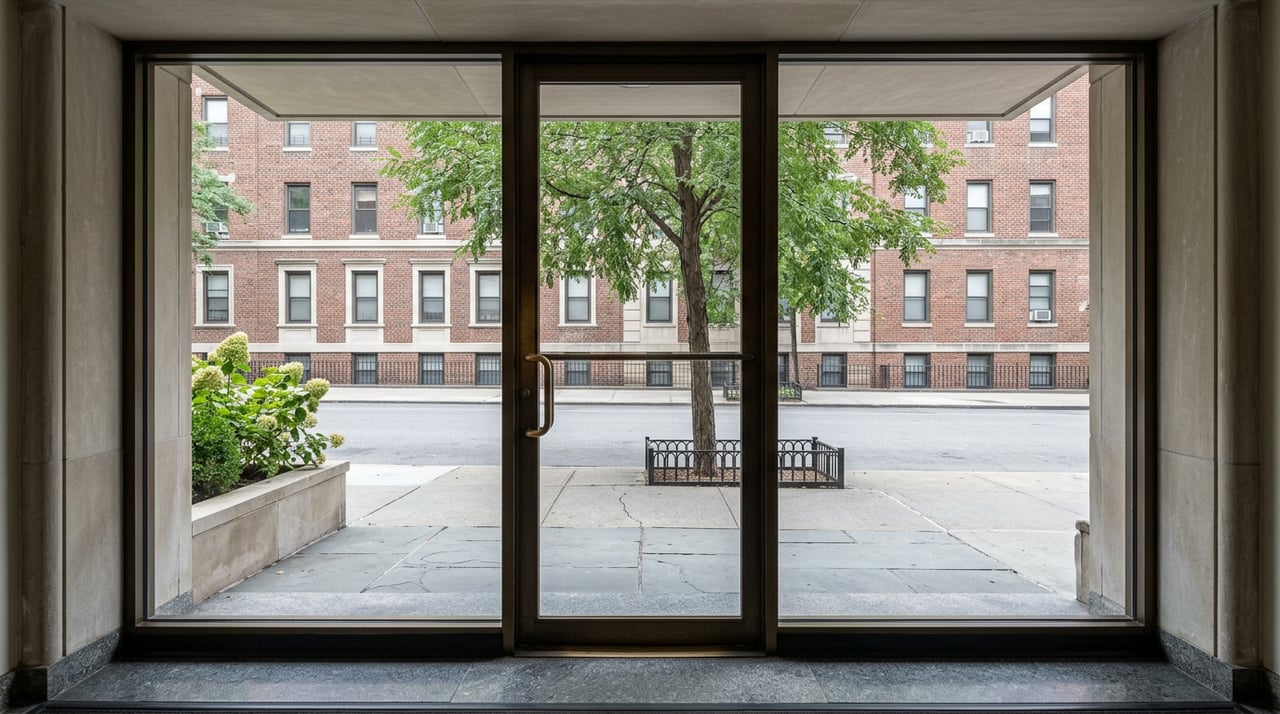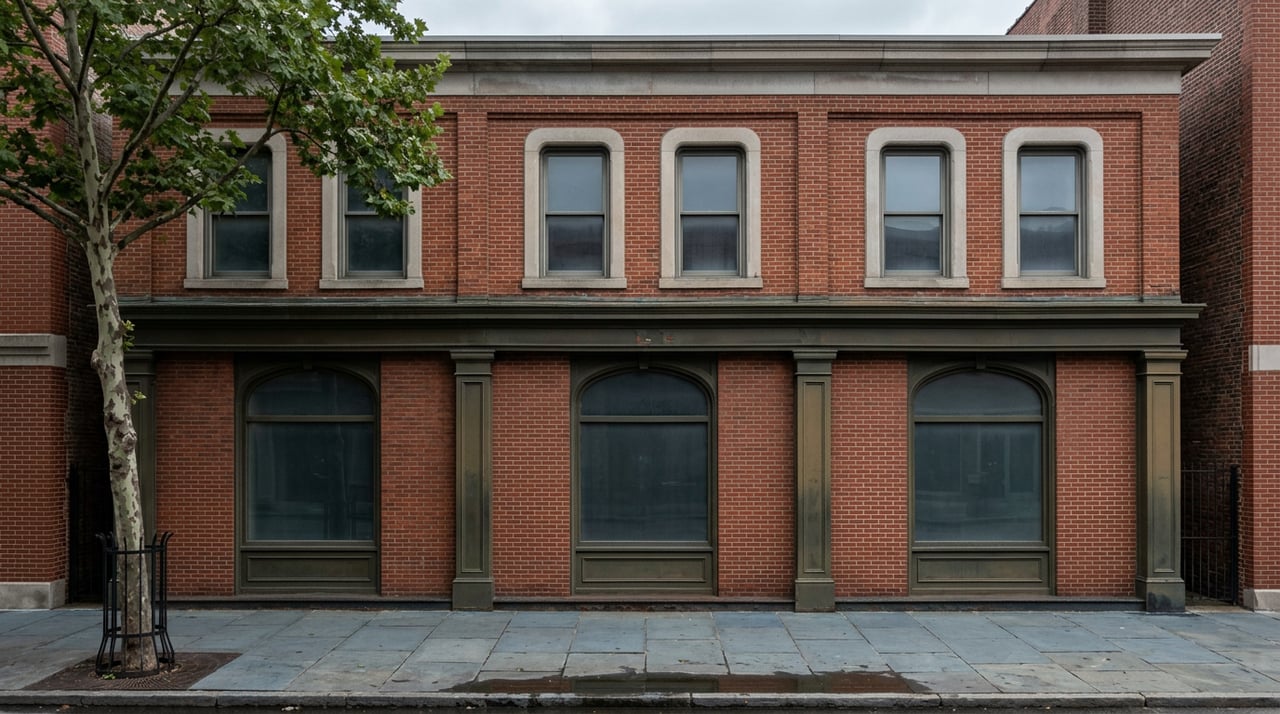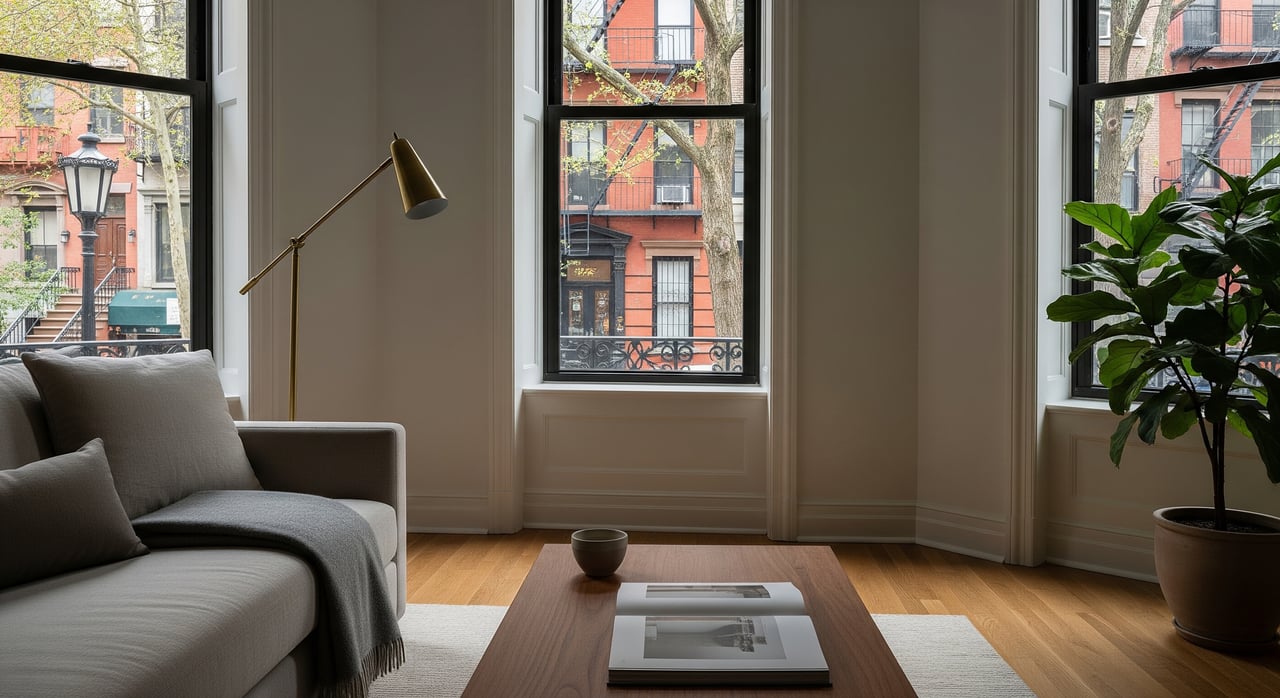
Thinking about a move to Greenwich Village? You might picture tree-lined blocks, a lively arts scene, and Washington Square Park buzzing with performers and students. You want the real day-to-day view, not the postcard. This guide gives you clear, practical details on housing types, commute options, errands, parks, and what changes block to block so you can decide if the Village fits your life. Let’s dive in.
Map and boundaries
For this guide, we use the NYC Department of City Planning neighborhood map to define Greenwich Village with the following general edges: 14th Street to the north, Houston Street to the south, Broadway on the east, and West Street along the Hudson River to the west. Local usage varies slightly, and areas near SoHo and the East Village can feel different.
Within the neighborhood, you’ll hear a few common labels. The West Village is more residential and quieter, with landmarked townhouses on charming side streets. The central Village includes Washington Square Park and NYU, with busier sidewalks and more student energy. Blocks closer to the edges toward SoHo and the East Village skew more commercial.
Vibe and daily rhythm
Daytime brings commuters, students, and shoppers to cafes and boutiques. Evenings are lively around music venues, theaters, and restaurants. On weekends, Washington Square Park and the main corridors can be crowded with visitors. Residential side streets in the West Village usually feel calmer, especially on upper floors away from avenues.
Who lives here
You’ll find many young professionals and students alongside long-time residents. Households often skew smaller, and incomes and educational attainment are generally above city medians. Renters make up a large share, though co-ops and condos are common throughout the neighborhood.
Housing options at a glance
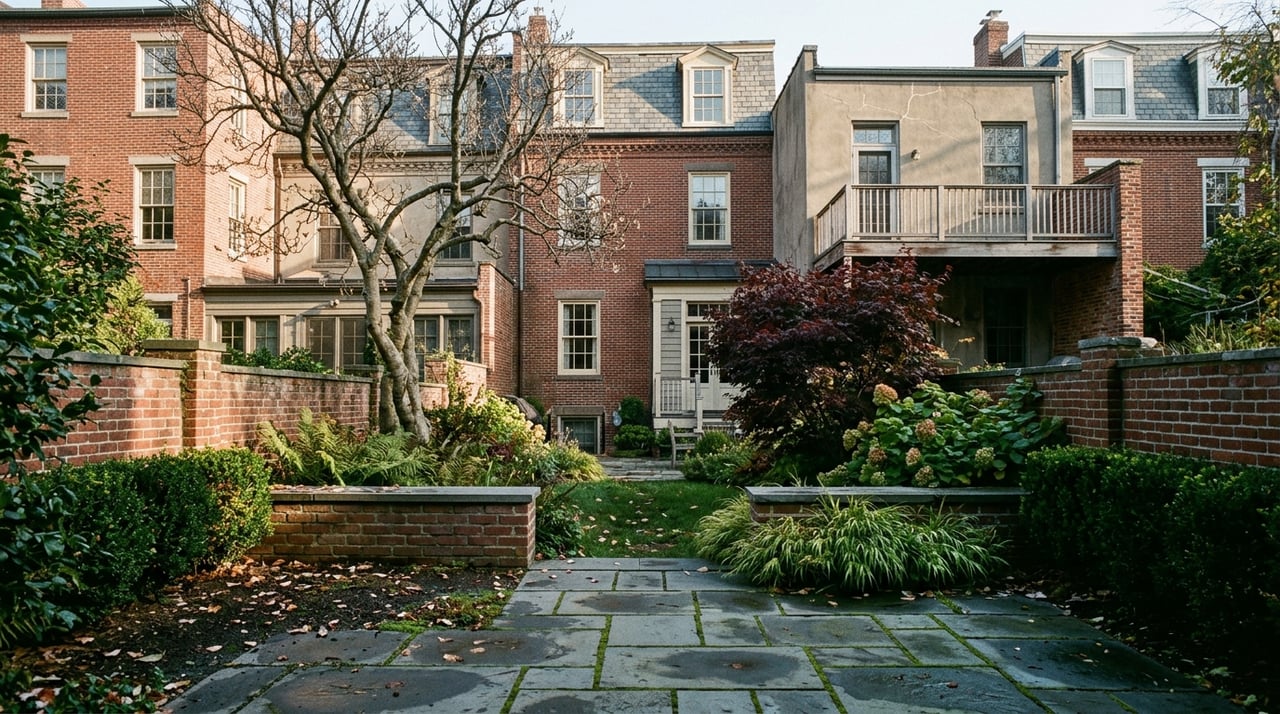
- Townhouses and brownstones: Character-rich, sometimes single-family, sometimes divided into multi-unit co-ops. Expect higher purchase prices and more hands-on maintenance.
- Prewar walk-up co-ops: Common across quieter blocks. Units can be smaller, with limited or no elevator access. Co-op rules influence financing and subletting.
- Doorman condos and newer builds: Present but not dominant. Condos can offer more flexible ownership and subletting options.
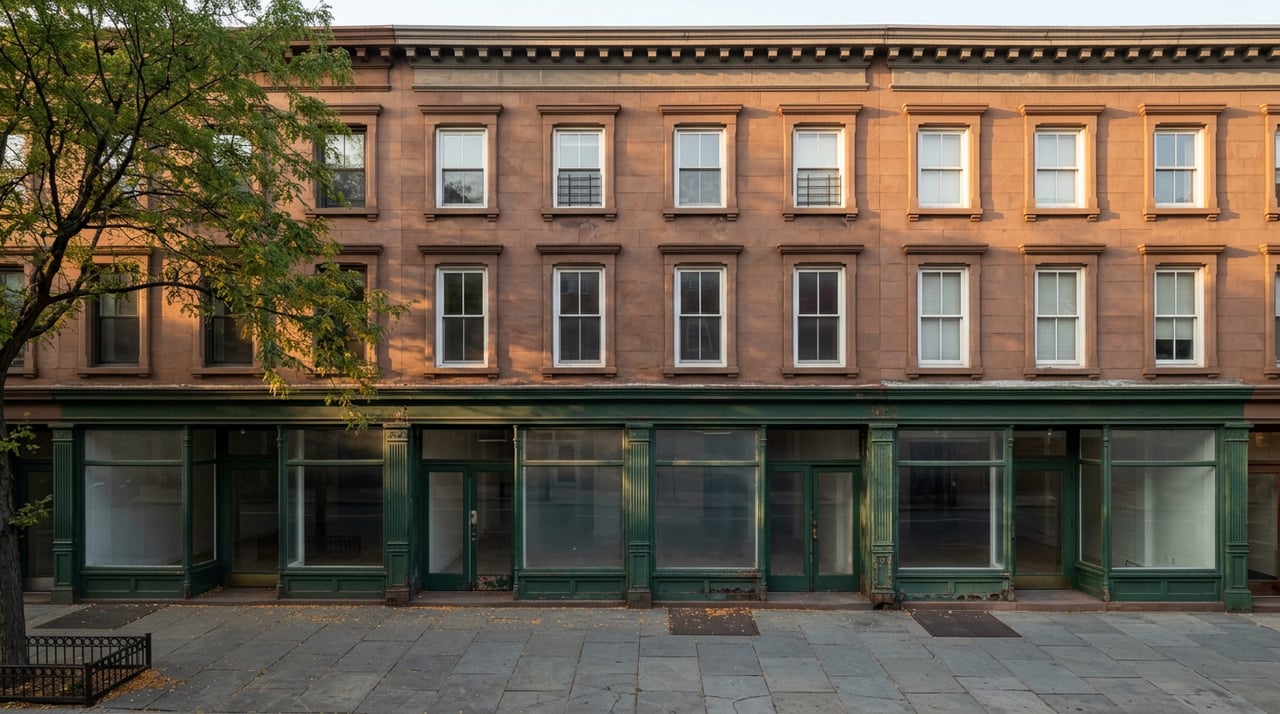
- Mixed-use buildings: Retail at street level with apartments above along major avenues.
Strong demand and landmark protections can keep supply tight. That usually supports values but also means you should be decisive when the right home appears.
Buying vs. renting basics
- Renting: You’ll find a wide range, from compact walk-ups to renovated units and doorman buildings. Ask about laundry, elevator access for moves, pet policies, and whether a unit is rent-stabilized.
- Buying: Co-ops are common and typically require board approval, higher down payments, and may limit subletting. Condos usually offer more flexibility on financing and rentals but often come at a premium.
- Pricing: Numbers shift quickly by block, condition, and building type. Expect one-bedrooms to be in the mid-to-high thousands for rent in many cases, and purchase prices that vary widely from entry-level co-ops to multi-million-dollar townhouses and luxury condos. Check current reports before you tour.
Co-op and condo essentials
- Co-op rules: Review sublet policies, income and liquidity expectations, and the board interview process. Budget for monthly maintenance that covers building operations and, in some cases, utilities.
- Condo specifics: Expect common charges and property taxes. Buildings may allow more flexible subletting and financing.
- Landmark and renovations: Landmark protections shape exterior changes. Many co-ops also require board approval for interior work, contractor documentation, and detailed renovation timelines.
Getting around
Greenwich Village is extremely walkable. Most daily errands can be done within a few blocks. Citi Bike stations are widespread, and bike lanes run along key avenues and the West Side.
You have strong subway coverage. Major stations include West 4th Street–Washington Square, 14th Street–Union Square, Christopher Street–Sheridan Square on the 1 line, and 8th Street–NYU on the R/W. These connect you directly to Midtown, Lower Manhattan, and Brooklyn. For New Jersey connections, the PATH at Christopher Street is a practical option.
Commute times
Many parts of the Village reach Midtown or Lower Manhattan in about 15 to 30 minutes by subway, depending on your exact start and line. Use the MTA trip planner the day you travel for the most accurate timing.
Errands and services
- Groceries: You’ll find national chains and specialty shops, plus larger supermarkets like Trader Joe’s and Whole Foods near neighborhood edges.
- Wellness and healthcare: There are clinics and urgent care centers nearby, with major hospital systems a short ride away.
- Banking and shipping: Banks, post offices, and package services line major avenues and busy corridors.
Parks and green space
Washington Square Park sits at the center of neighborhood life, from chess tables to music and community events. On the west side, Hudson River Park offers waterfront paths, biking, and dog runs. Small pocket parks, like Jefferson Market Garden, provide quieter moments among the bustle.
Food, nightlife, and arts
The dining map runs from casual cafes and historic bakeries to refined destinations. Bars and music venues dot Bleecker Street and Christopher Street, and you’ll find plenty of off-Broadway theaters and performance spaces. Retail mixes independent boutiques with national brands, especially along Seventh Avenue and Bleecker.
Noise by block
If you want quiet, aim for residential side streets in the West Village and consider higher floors or units positioned away from avenues. If you want nightlife nearby, blocks around Washington Square, Bleecker, and Christopher deliver more late-evening activity.
Schools overview
The neighborhood includes public options under the NYC Department of Education, with PS 41 often noted locally. Always verify current zones, admissions policies, and program options directly with the NYC DOE before making decisions. Many families consider a mix of zoned schools, application-based programs, and private or charter options.
Safety and awareness
Crime trends change over time and can vary by block, time of day, and corridor. Review NYPD CompStat data and your local precinct resources for current statistics. It helps to visit blocks at different hours to get a feel for foot traffic and activity where you plan to live.
Parking and cars
Street parking is limited, with alternate-side rules and meter regulations. Many residents rely on subways, buses, bikes, or rideshares. If a car is essential, consider a garage spot and factor it into your monthly budget.
Accessibility notes
Many historic walk-up buildings do not have elevators. If step-free access matters, focus your search on elevator co-ops or condos and confirm building accessibility during tours.
How to choose your block
- Visit at different times: Weekday morning, evening, and weekend to judge noise and foot traffic.
- Confirm building rules: Understand co-op or condo policies, subletting, pet rules, and renovation processes.
- Check practicals: Laundry, bike storage, package handling, elevator access for moves, and heating type.
- Test your commute: Time the route to your office or campus using current schedules.
- Align your lifestyle: Closer to parks and quiet streets or closer to nightlife and transit hubs.
Is the Village right for you?
Choose Greenwich Village if you value walkability, cultural energy, and a mix of historic character and everyday convenience. You’ll trade some space for location, and you’ll want to understand co-op and condo norms before you buy. If you’re selling, thoughtful preparation and presentation can make a meaningful difference in a market where details and timing matter.
If you want a steady, experienced guide to navigate co-op boards, condo bylaws, and micro-market differences by block, connect with David Menendez for clear, practical next steps.
FAQs
What are typical Greenwich Village commutes?
- Many trips to Midtown or Lower Manhattan take about 15 to 30 minutes by subway, depending on your exact line and destination.
Which subway stations serve Greenwich Village?
- Key stations include West 4th Street–Washington Square, 14th Street–Union Square, Christopher Street–Sheridan Square on the 1 line, and 8th Street–NYU on the R/W.
Are co-ops or condos more common in the Village?
- Co-ops are very common, especially in prewar buildings, while condos and doorman properties exist but are less dominant than in newer development areas.
How noisy are Greenwich Village streets at night?
- Activity clusters around Washington Square, Bleecker, and Christopher. West Village side streets tend to be quieter, especially higher floors away from avenues.
What should buyers verify before an offer?
- Review co-op or condo rules, monthly maintenance or common charges and taxes, sublet policies, and any landmark or board requirements affecting renovations.
Are there elevators in most buildings?
- Many historic walk-ups lack elevators. If accessibility is important, focus on elevator buildings and confirm access during showings.