If you are pricing a SoHo condo or loft, one number can mislead you fast. In a small, high-value market like SoHo, broad neighborhood averages often hide big differences in building type, legal status, light, condition, and layout. The good news is that a smart pricing strategy can cut through that noise and help you position your property more accurately from day one. Let’s dive in.
Why SoHo Pricing Is Tricky
SoHo is not a market where one median sale price tells the whole story. Recent snapshots vary quite a bit depending on the source and time period. For example, Redfin’s SoHo market page reported a median sale price of $2,997,500 in February 2026 with a median 115 days on market, while PropertyShark reported a Q3 2025 median of $3.36 million.
That gap does not mean one source is wrong. It means SoHo is a small market where a limited number of sales can move the headline number. PropertyShark notes that its neighborhood medians are calculated only for quarters with at least five sales, which is a useful reminder that sample size matters in SoHo.
Start With Medians, Then Move On
Neighborhood medians are best used as rough context, not as your list-price formula. In SoHo, shifts in product mix can distort the picture quickly. PropertyShark’s Q3 2025 report showed SoHo’s median fell 21% year over year to $3.36 million while condo sales dropped and co-op sales rose.
That kind of change matters because a classic loft, a renovated boutique condo, and a newer West SoHo unit do not attract buyers in exactly the same way. If you want a pricing strategy that reflects the real market, you need to compare your home to properties that match it closely.
Use Micro-Comps In SoHo
In most Manhattan neighborhoods, close comps matter. In SoHo, they are essential. The best pricing process usually starts with the same building, then the same block, then adjacent blocks with similar product.
That approach works because SoHo has meaningful variation within a tight footprint. A loft in the historic cast-iron core, a full-floor renovated residence on Crosby, and a modern condo in West SoHo can sit in very different pricing bands even when the square footage looks similar on paper.
What Counts As A True Comp
A useful SoHo comp should match as many of these factors as possible:
- Building type
- Legal use and occupancy status
- Block or immediate area
- Floor level
- Light and exposure
- Ceiling height
- Condition and renovation quality
- Presence of outdoor space
- Layout efficiency
If a comparable differs on several of those points, it may still offer context, but it should not drive your pricing.
Know The Product Type First
One of the biggest mistakes in SoHo pricing is blending product categories that buyers see as completely different. A raw or classic loft is not the same product as a polished boutique condo. A new-development condo is not the same product as a landmarked cast-iron residence.
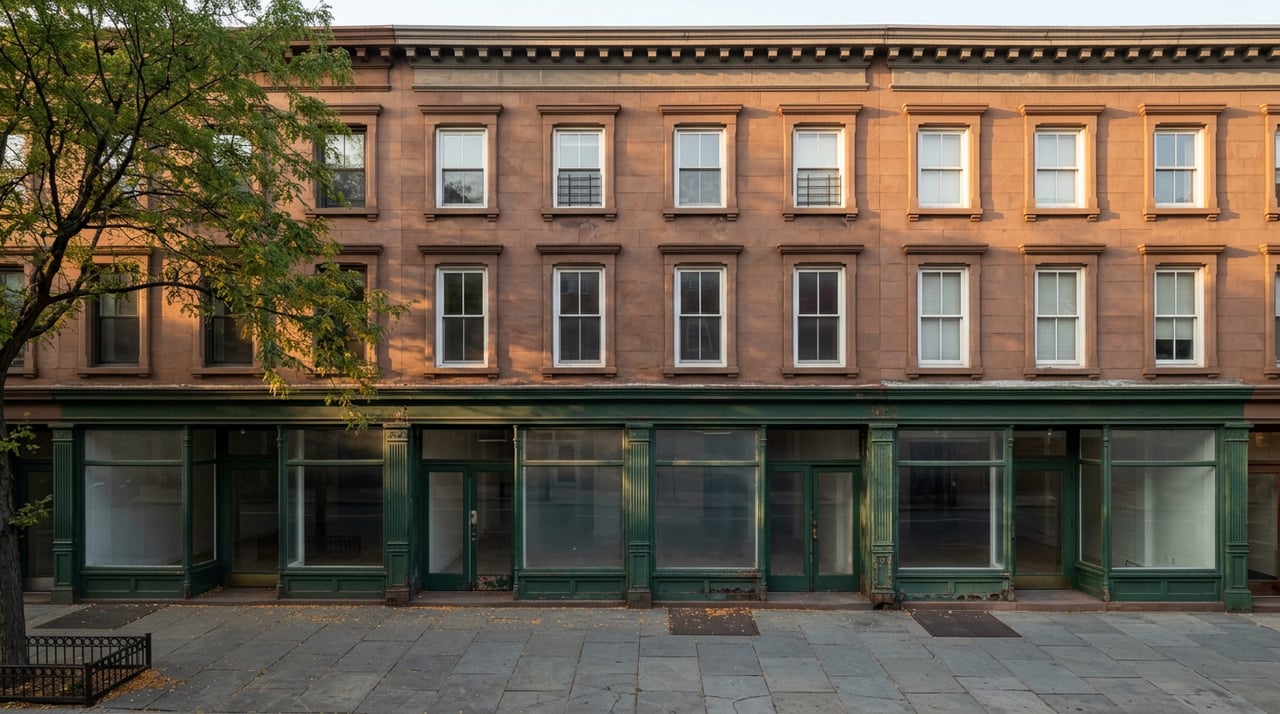
The neighborhood’s identity is closely tied to the SoHo-Cast Iron Historic District, which includes roughly 500 buildings across 28 blocks and is known for its concentration of cast-iron facades. Many of these buildings date from about 1860 to 1890, which helps explain why original detail, architectural character, and authentic loft features still influence buyer demand.
Separate These Categories
When pricing, it helps to keep these groups distinct:
- Raw lofts with original features and more flexible or unfinished interiors
- Renovated lofts with historic character plus updated systems and finishes
- Boutique condos in smaller converted buildings
- New-development condos with modern amenities and newer construction
For example, 100 Vandam represents a different buyer proposition than a classic SoHo loft with exposed brick, beams, and keyed elevator access. If you merge those categories too casually, your price target can drift away from what buyers will actually pay.
Adjust For The Features Buyers Pay For
Once you have the right product type, the next step is adjusting for the features that move value most in SoHo. In this market, architecture alone is not enough. Buyers often pay more when the space combines character with function.
Light, Windows, And Ceiling Height
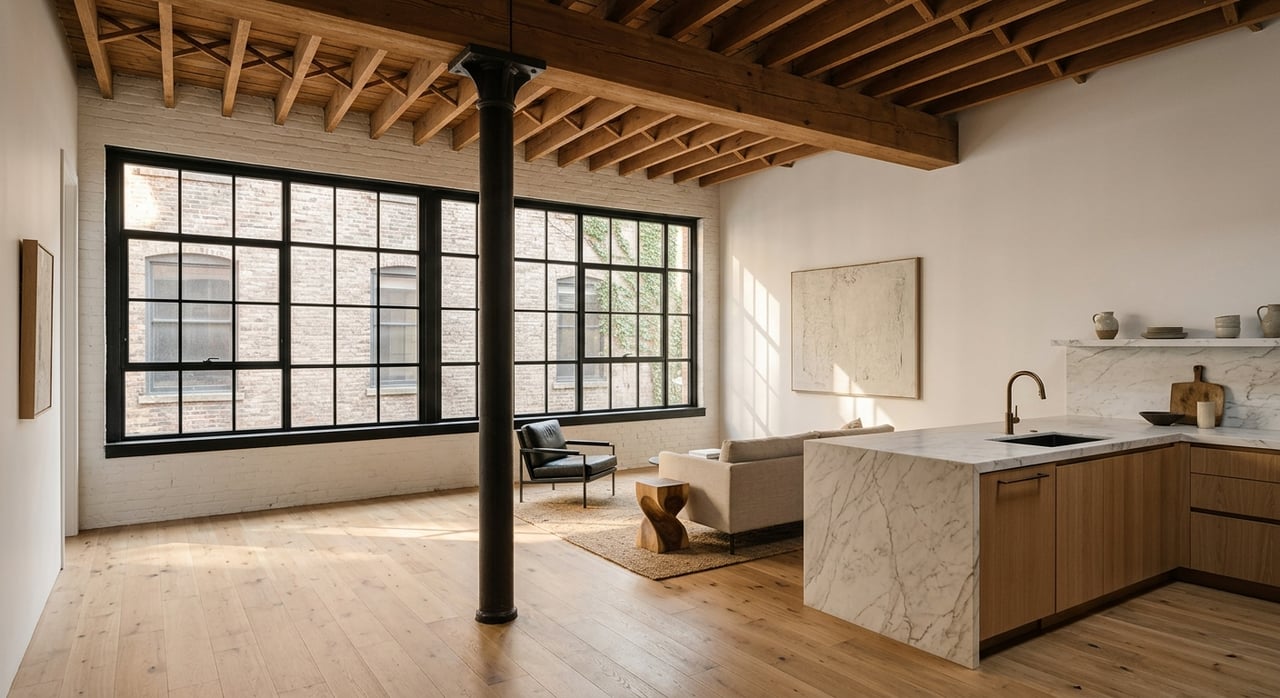
Light is a major pricing driver in loft properties. Corner exposures, larger window walls, and open sight lines can create a very different experience from a darker unit on a lower floor.
That spread shows up in recent sales. 42 Crosby St Unit 4S sold for $10.6 million, or $3,206 per square foot, and its listing highlighted nearly 11-foot ceilings, floor-to-ceiling windows, direct elevator access, and major upgrades. By comparison, 351 W Broadway #3 sold for $4.05 million, or $1,679 per square foot, showing just how wide the pricing range can be within SoHo.
Condition And Renovation Quality
Buyers in SoHo often respond strongly to renovation quality, but not all updates create the same value. A thoughtful renovation that improves flow, storage, kitchens, baths, and systems while preserving loft character can support pricing better than a generic finish package.
The key is not to assume every renovated unit deserves the top of the range. In a neighborhood where authenticity matters, pricing should reflect both finish level and how well the renovation fits the building and layout.
Layout And Loft Functionality
A loft’s appeal is not just visual. It is also about how the space lives day to day. Buyers tend to value flexible floor-through layouts, usable bedroom placement, good separation of space, and strong air and light circulation.
101 Wooster St Unit 5F is a useful example. Redfin records it as sold at $2,745,958 and describes it as a true SoHo loft with east-west exposures, cross-ventilation, original wood floors, exposed brick, high ceilings, and a flexible floor-through plan. That is a different product from a newly built condo, even if the size is similar.
Outdoor Space Needs Its Own Adjustment
Private outdoor space is rare enough in SoHo that it should be treated carefully. A terrace, rooftop deck, or penthouse outdoor setup can change buyer interest in a major way, but only when compared with similarly configured homes.
A One Wooster Street penthouse listing described three terraces, a rooftop terrace, outdoor kitchen, outdoor shower, and outdoor cinema. In a market where indoor square footage already commands a premium, that type of outdoor offering should not be averaged into standard unit pricing.
Legal Status Can Affect Value
In SoHo, pricing is not only about finishes and square footage. Legal use and occupancy status can materially affect who can occupy a unit, how it can be financed, and how broad the buyer pool may be.
According to NYC guidance on converting from JLWQA use, the SoHo/NoHo Neighborhood Plan created the Special Soho-Noho Mixed Use District and changed the zoning framework for certain units. Existing JLWQA units may continue under prior occupancy restrictions, but conversions to JLWQA after December 15, 2021 are prohibited.
If a unit must be converted to residential use, the process may involve CPC certification, a one-time contribution to the SoHo-NoHo Arts Fund, DOB work, and a new or amended Certificate of Occupancy. That means legal status is a pricing factor, not just a legal detail.
Why Buyers And Sellers Should Check Early
The NYC Department of Buildings also warns that illegal conversions can be unsafe and may lead to violations and penalties. For pricing purposes, uncertainty around lawful occupancy usually creates risk, and risk tends to reduce value or lengthen marketing time.
If you are selling, checking this early helps avoid overpricing based on an unrealistic buyer pool. If you are buying, it helps you judge whether a discount is justified.
Recent Sales Show The Spread
A few recent SoHo-area transactions make the case for micro-comp pricing clearly:
- 60 Greene St #4 sold on May 13, 2025 for $8.3 million, or $2,118 per square foot.
- 56 Crosby St Unit 4A sold on January 10, 2025 for $8.65 million, or $2,393 per square foot.
- 42 Crosby St Unit 4S sold on January 19, 2024 for $10.6 million, or $3,206 per square foot.
- 351 W Broadway #3 sold on April 23, 2025 for $4.05 million, or $1,679 per square foot.
- 100 Vandam St Unit 9C sold on June 21, 2023 for $1,675,000, or $1,916 per square foot.
Those sales do not tell you that one SoHo price per square foot is correct. They show that pricing has to be tied to product, location, and specifics.
A Practical SoHo Pricing Strategy
If you want a clean process for pricing a SoHo condo or loft, keep it simple and disciplined.
Step 1: Verify Legal Use
Confirm the unit’s legal occupancy status, Certificate of Occupancy, and any relevant restrictions before setting a target price.
Step 2: Match The Product Type
Separate classic lofts, renovated lofts, boutique condos, and newer condos. Buyers do.
Step 3: Focus On The Block
Start with the same building if possible. If not, use the same or adjacent block with similar architecture and buyer appeal.
Step 4: Adjust For Key Features
Account for:
- Floor and exposure
- Ceiling height
- Window wall and natural light
- Renovation quality
- Layout efficiency
- Outdoor space
Step 5: Use Neighborhood Medians Only As Context
The median can help frame the broader market, but it should not replace a property-specific pricing analysis.
The Bottom Line On SoHo Pricing
In SoHo, pricing well is less about finding the neighborhood number and more about understanding the exact product you are selling. Broad medians can offer context, but same-building and same-block comps usually tell the more useful story. When you also account for legal status, architecture, light, floor, condition, and outdoor space, you are much more likely to land on a price that attracts the right buyers without leaving money on the table.
If you are thinking about selling a condo or loft in Manhattan and want a more grounded pricing conversation, David Menendez offers steady, data-informed guidance with a practical approach to valuation and market positioning.
FAQs
Should you price a SoHo condo from the neighborhood median?
- No. In SoHo, neighborhood medians are a starting point only, and recent same-building or same-block sales are usually more reliable.
What features matter most when pricing a SoHo loft?
- Light, ceiling height, floor level, layout, renovation quality, architectural character, and outdoor space can all materially affect value.
Does legal occupancy status affect SoHo condo or loft pricing?
- Yes. Legal use and occupancy can influence buyer eligibility, financing, resale, and overall demand, which can affect value.
Should you compare new-development condos with classic SoHo lofts?
- Usually not without careful adjustment, because they appeal to different buyers and offer different features and building experiences.
Does outdoor space add value in SoHo?
- Often yes, but it should be compared only against similarly situated terrace or penthouse units because private outdoor space is relatively scarce in SoHo.