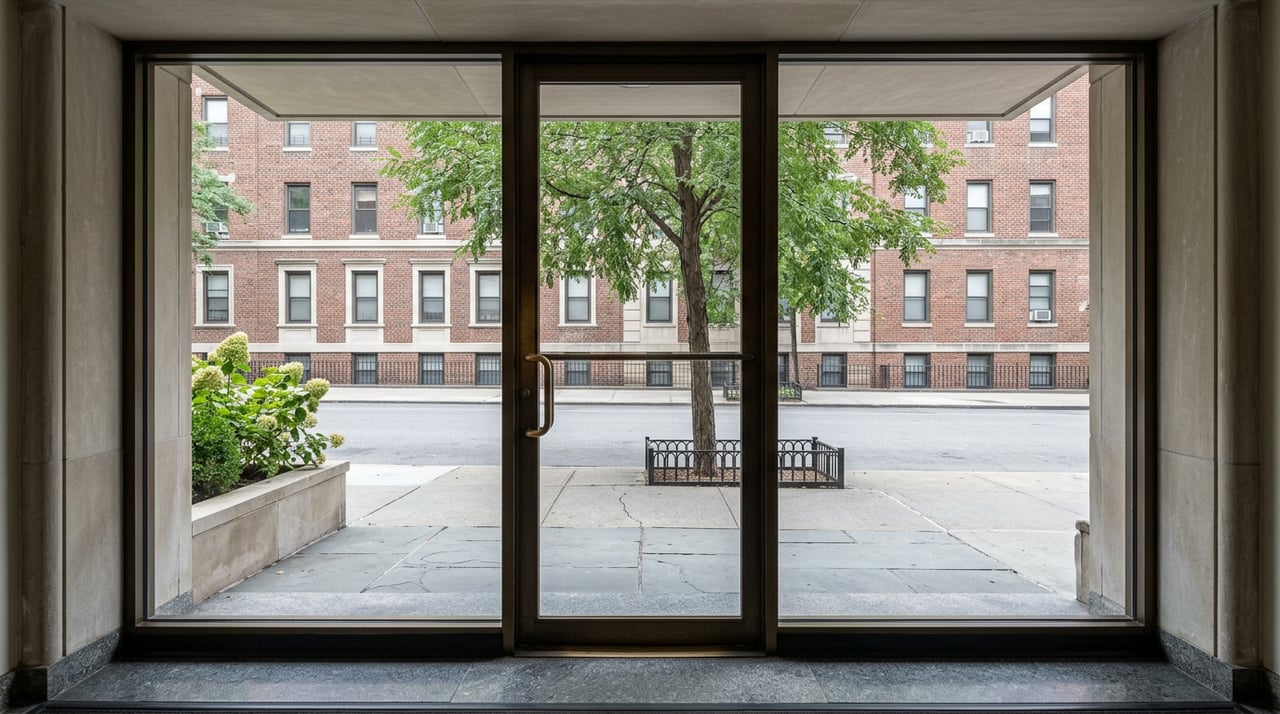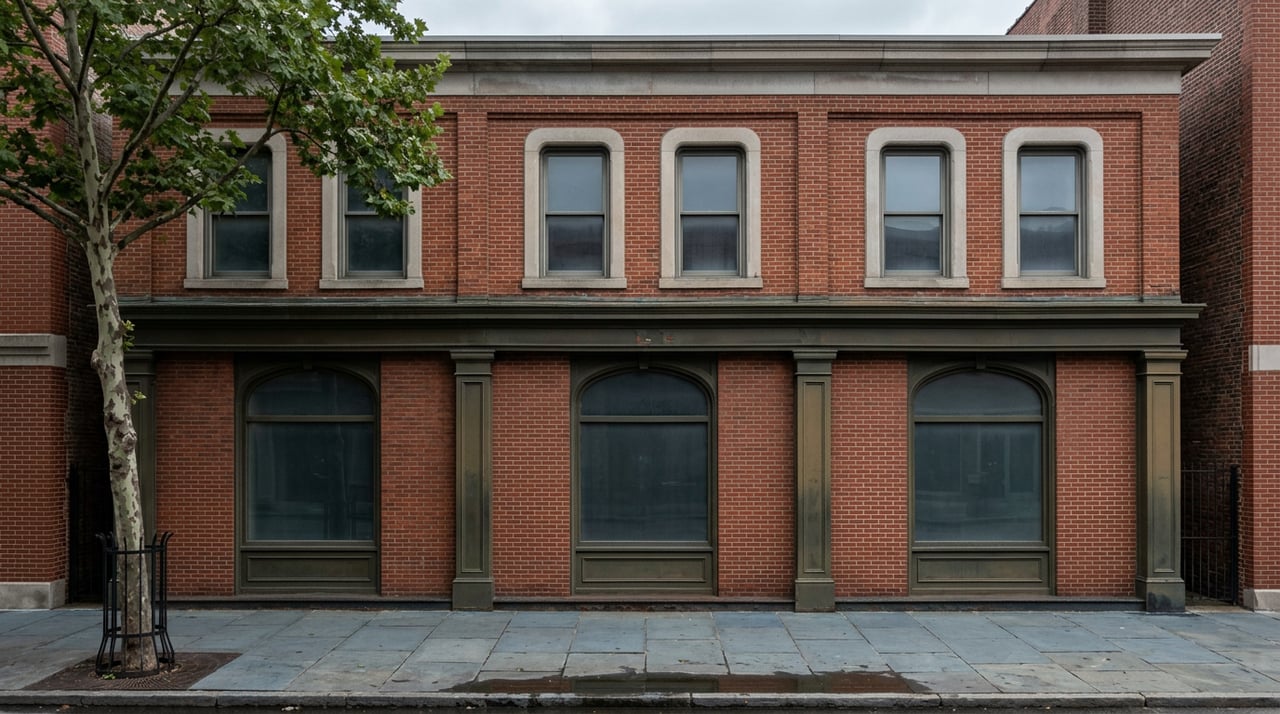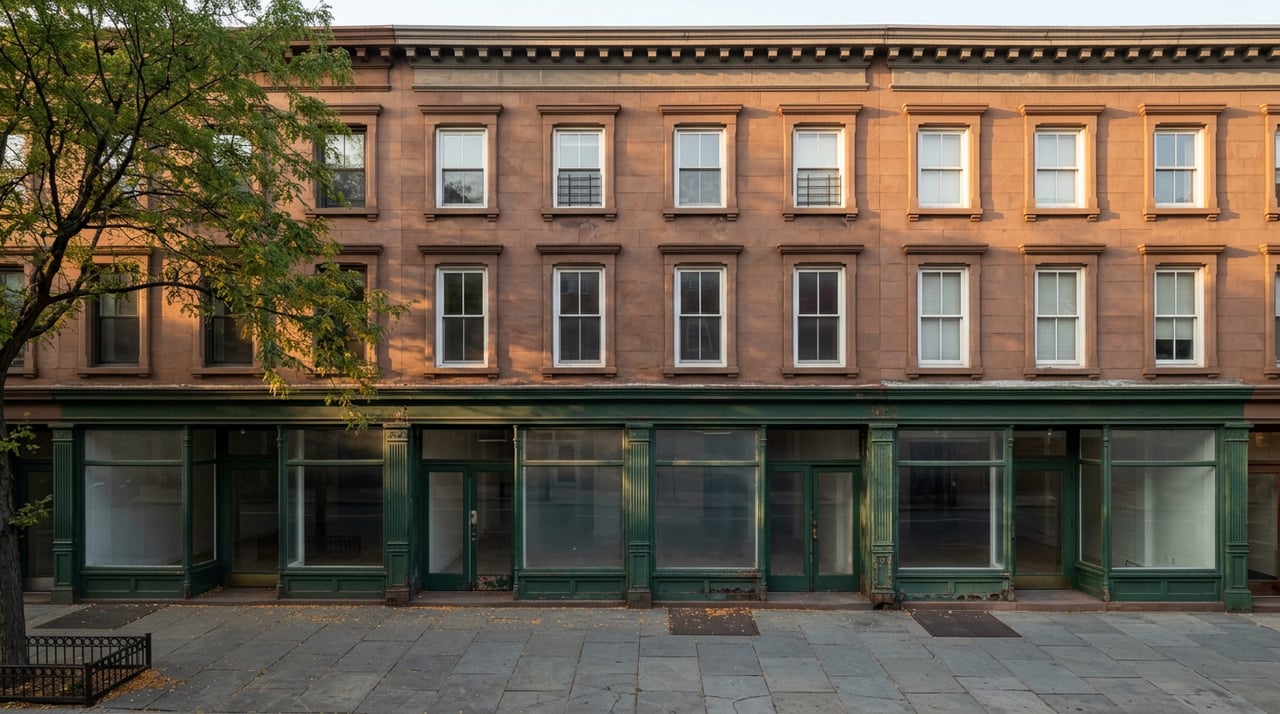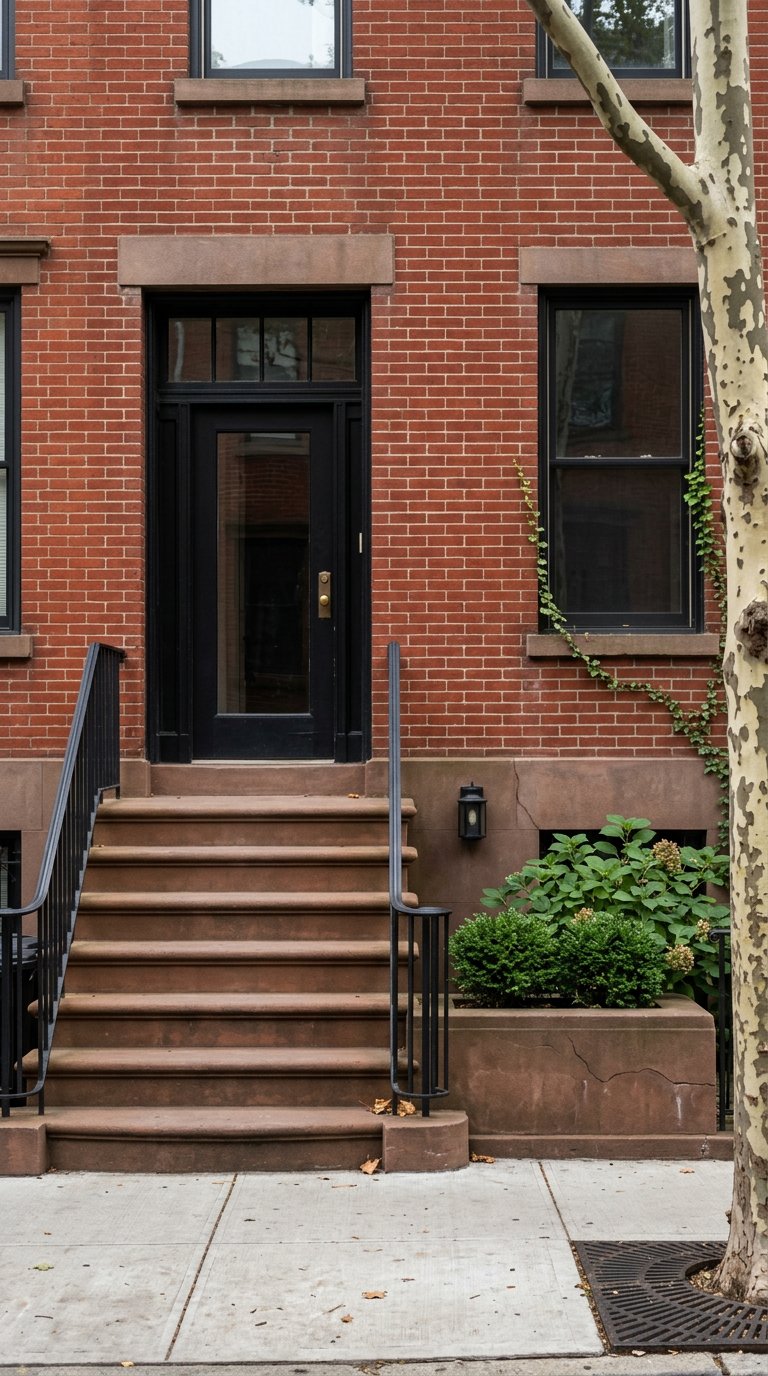
You want more room, a smoother routine, and a neighborhood that works for your next chapter. If you are deciding between a Park Slope address and a Manhattan condo, the tradeoffs come down to space per dollar, outdoor access, school logistics, commute time, and building services. In this guide, you will see how these factors compare so you can focus your search with confidence. Let’s dive in.
Market snapshot: price and size
Price-per-square-foot is the simplest way to compare. Recent snapshots place Park Slope’s median around $1,200–$1,600 per square foot, though brownstone and townhouse sales can push that higher in some months. You can review neighborhood-level market trends in sources such as PropertyShark’s Park Slope tracker, which highlights how product mix influences the median. See Park Slope market trends.
Across Manhattan, the borough-wide median often falls in the $1,350–$1,450 range, which blends many micro-markets and a large share of co-ops that usually trade at lower nominal PPSF than new luxury condos. The key is that Manhattan’s single median masks big neighborhood differences. Review the latest borough-wide overview for context in Douglas Elliman’s market summary. View the Manhattan market report.
Two watchouts matter when you compare: 1) Park Slope data sets sometimes include townhouse and two-family sales, which lift the median PPSF, and 2) Manhattan’s co-op share can lower the median PPSF, while new condo towers in select areas push it up. Your actual options will depend on the week’s inventory and the property type you choose.
What your budget buys
Here is simple, illustrative math for quick sizing. These are not guarantees, but they help you plan.
- At $1,300 PPSF, a $1,000,000 budget equates to about 770 square feet. At $1,400 PPSF, it is about 715 square feet.
- At $1,300 PPSF, a $1,500,000 budget equates to about 1,150 square feet. At $1,400 PPSF, it is about 1,070 square feet.
- At $1,300 PPSF, a $2,000,000 budget equates to about 1,540 square feet. At $1,400 PPSF, it is about 1,430 square feet.
In practice, Park Slope’s listing mix often includes more 2 to 3 bedroom brownstone conversions and garden-level apartments with outdoor space. Manhattan’s central neighborhoods tend to show more elevator buildings and doorman co-ops and condos, with many 2 bedroom footprints unless you move into higher price tiers. Market mix examples are easy to spot in neighborhood roundups. See examples of Park Slope listing types.
Space, outdoor access, and amenities
Private and park access
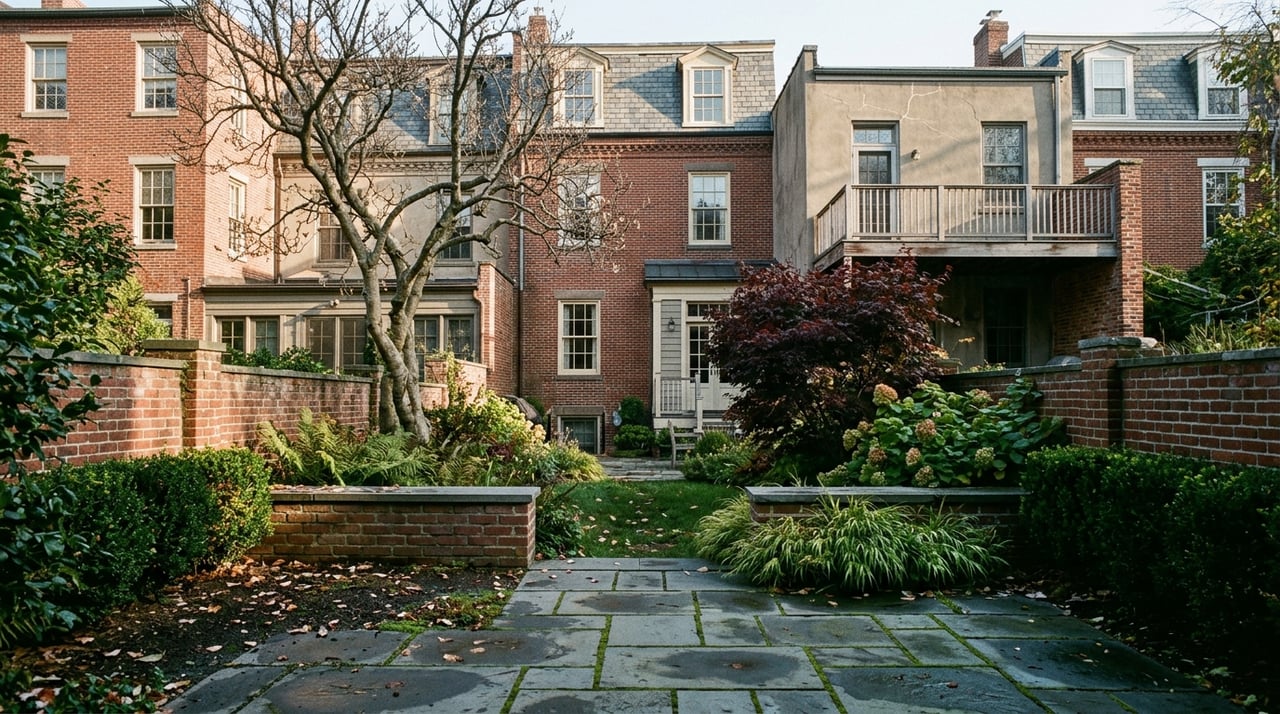
If outdoor living is high on your list, Park Slope has an edge. Many brownstones and garden apartments include private yards, terraces, or porches at a price point that is harder to find in central Manhattan. Just as important, you have direct access to Prospect Park, which offers playgrounds, the LeFrak Center, sports fields, and seasonal programs for all ages. Explore Prospect Park programming.
In Manhattan, true private yards are rare. Balconies and terraces exist, mostly in modern condos and penthouses, but they are less common at mid-tier price points. The upside is proximity to parks like Central Park and a dense network of pocket parks and playgrounds. If outdoor space is a must-have, Park Slope usually offers more options per dollar. If being steps from Midtown is essential, a Manhattan condo may balance a smaller footprint with daily convenience.
Building services and conveniences
Many newer Manhattan condos stand out for services and amenities. You often see attended lobbies, on-site gyms, playrooms, package rooms, roof decks, and secure storage on a single platform. These features reduce the friction of everyday life and can be a big plus with strollers, groceries, and deliveries. Market reports that summarize Manhattan’s new development influence help explain why condo PPSF trends differ from co-ops. Review the Manhattan condo context.
Older Park Slope buildings and many co-ops tend to be lighter on hotel-style amenities, though some have laundry rooms, storage, or roof access. The tradeoff is often more living space, period charm, and direct neighborhood access to playgrounds, cafes, and services.
Schools and childcare basics
How NYC public school admissions work
New York City uses a system of zoned schools and optional programs. For kindergarten and early childhood, the Department of Education outlines timelines, priority rules, and how to apply. Always check the exact address because zoned boundaries can change at the block level. Read the DOE kindergarten enrollment guide.
Park Slope’s public-school context
Park Slope sits in District 15 and includes PS 321 (William Penn), a zoned elementary school that draws steady interest from local families. Review the DOE profile for the most current enrollment and program information, and verify the zone for any specific address you are considering. See the PS 321 DOE profile.
Manhattan schooling considerations
Central Manhattan has strong public options and a significant private and parochial school market. Zoned seat availability and program selection can vary widely from one block to the next, so it pays to plan early and confirm address-level details with DOE tools. For a citywide overview of elementary options, third-party resources can help you compare frameworks and offerings. Explore citywide elementary school information.
Commute tradeoffs for Midtown workers
Average commute times help frame the day-to-day reality. In Park Slope and Carroll Gardens (Brooklyn Community District 6), the average travel time to work is about 36.9 minutes. See the CD6 commute profile. Across Manhattan, the average is about 31.2 minutes, helped by a higher share of walking and short subway trips. See the Manhattan commute profile.
Realistic door-to-door examples
If your office is in Midtown, a typical Park Slope commute includes a 5 to 15 minute walk to the train plus 20 to 35 minutes on the subway, depending on the line and transfers. For example, the F or R can carry you to 34th Street, and the B or D can move you up the west side. That often puts the door-to-door range around 30 to 50 minutes in peak hours.
Living inside or adjacent to Midtown can trim that to under 30 minutes. In some cases, you can walk to work in under 15 minutes. Exact times vary by address, time of day, and route. When you get close to a decision, run a live trip test for the specific addresses and your target arrival window.
Monthly costs and ownership rules
Co-ops and condos organize costs differently, and those details affect your monthly budget and flexibility.
- Co-ops typically combine property taxes and many building expenses into a single monthly maintenance payment. Older full-service co-ops can carry larger maintenance because staffing and services are rolled in. Boards set rules that can affect subletting and resale.
- Condos separate property taxes from common charges. Closing costs are often higher than co-ops, but condos usually offer more flexibility on financing, sublets, and resale.
These patterns appear in both Park Slope and Manhattan. Manhattan has a larger share of co-ops overall, while Park Slope’s mix includes brownstones, co-ops, and condos. If you expect to relocate or rent in the future, factor board policies, sublet rules, and financing minimums into your decision.
Which fits a growing family?
Every family’s priorities are different, but these rules of thumb can speed up your choice.
Choose Park Slope if you prioritize:
- More space per dollar and a higher chance of a true 3 bedroom in your price band.
- Private outdoor space, such as a garden-level yard or a terrace, plus daily access to Prospect Park.
- A neighborhood rhythm that makes daycare drop-off, playground time, and errands feel close and manageable.
Choose a Manhattan condo if you prioritize:
- Shorter average commute times and the option to walk to work or school.
- In-building services like doorman, gym, playroom, package management, and roof deck.
- A simpler, elevator-based lifestyle with less home maintenance.
Next steps to make it real:
- Confirm your PPSF targets and what that buys this month in your submarkets.
- Check your zoned public school and application timelines with the DOE tools for any specific address.
- Map your commute door to door for two or three real listings during your normal arrival window.
- Outline total monthly carrying costs by property type, including mortgage assumptions, taxes, maintenance or common charges, and any assessments.
The right choice is the one that supports your daily life without stretching your budget or commute tolerance. If you want a straightforward, data-backed plan for a Park Slope versus Manhattan search, let’s talk through your budget, timelines, and must-haves.
Ready to compare shortlists and tour the right homes on your schedule? Connect with David Menendez for a calm, efficient path through Manhattan and Park Slope inventory.
FAQs
How much space does $1.5M buy in Park Slope vs Manhattan?
- Using sample medians, about 1,150 square feet at $1,300 per square foot and about 1,070 square feet at $1,400 per square foot, depending on property type and location.
Are Park Slope condos cheaper than Manhattan overall?
- The ranges overlap: Park Slope often shows $1,200–$1,600 per square foot and Manhattan’s borough-wide median is about $1,350–$1,450, and results vary with co-ops, condos, and townhouses (Park Slope trends, Manhattan report).
What should I know about public school zoning before I buy?
- NYC assigns zoned schools by address and timelines vary, so check the DOE tools early and confirm for each listing you consider (DOE kindergarten guide, PS 321 profile).
How long is a Park Slope to Midtown commute during peak hours?
- A common range is 30 to 50 minutes door to door, based on a 5 to 15 minute walk plus 20 to 35 minutes on the subway and transfers, with Park Slope’s average commute near 36.9 minutes (CD6 profile).
Do Manhattan condos usually have more family-friendly amenities?
- Many newer Manhattan condos include doorman service, gyms, playrooms, and roof decks, which can ease daily routines for households with children (market context).
How do I compare outdoor space options between Park Slope and Manhattan?
- Park Slope more often offers private yards or terraces in brownstones and garden units, while Manhattan provides balconies in some condos plus access to large and pocket parks like Central Park and Prospect Park (Prospect Park programming).