Want a Manhattan neighborhood where your daily routine can move fast without feeling improvised? The Financial District has evolved far beyond its office-first reputation, and today its rhythm is shaped by residential towers, strong transit access, waterfront public space, and an active mix of weekday convenience and weekend activity. If you are thinking about buying, renting, or simply getting to know the area better, this guide will help you understand what everyday life in FiDi actually feels like. Let’s dive in.
FiDi Is More Residential Than Many People Expect
The Financial District sits within Manhattan Community District 1, alongside areas like Battery Park City, Civic Center, the Seaport, and Tribeca. Over the last decade, FiDi has been a major driver of residential growth in the district. According to Community Board 1, the neighborhood added 6,669 residents from 2010 to 2020 and accounted for nearly half of CD1’s growth.
That change is visible on the street and in the housing stock. Recent growth has been closely tied to office-to-residential conversions, and the neighborhood has become one of the clearest examples of that shift in New York City. The Manhattan Borough President’s office highlighted 25 Water Street as the largest office-to-residential conversion in American history, creating more than 1,300 homes.
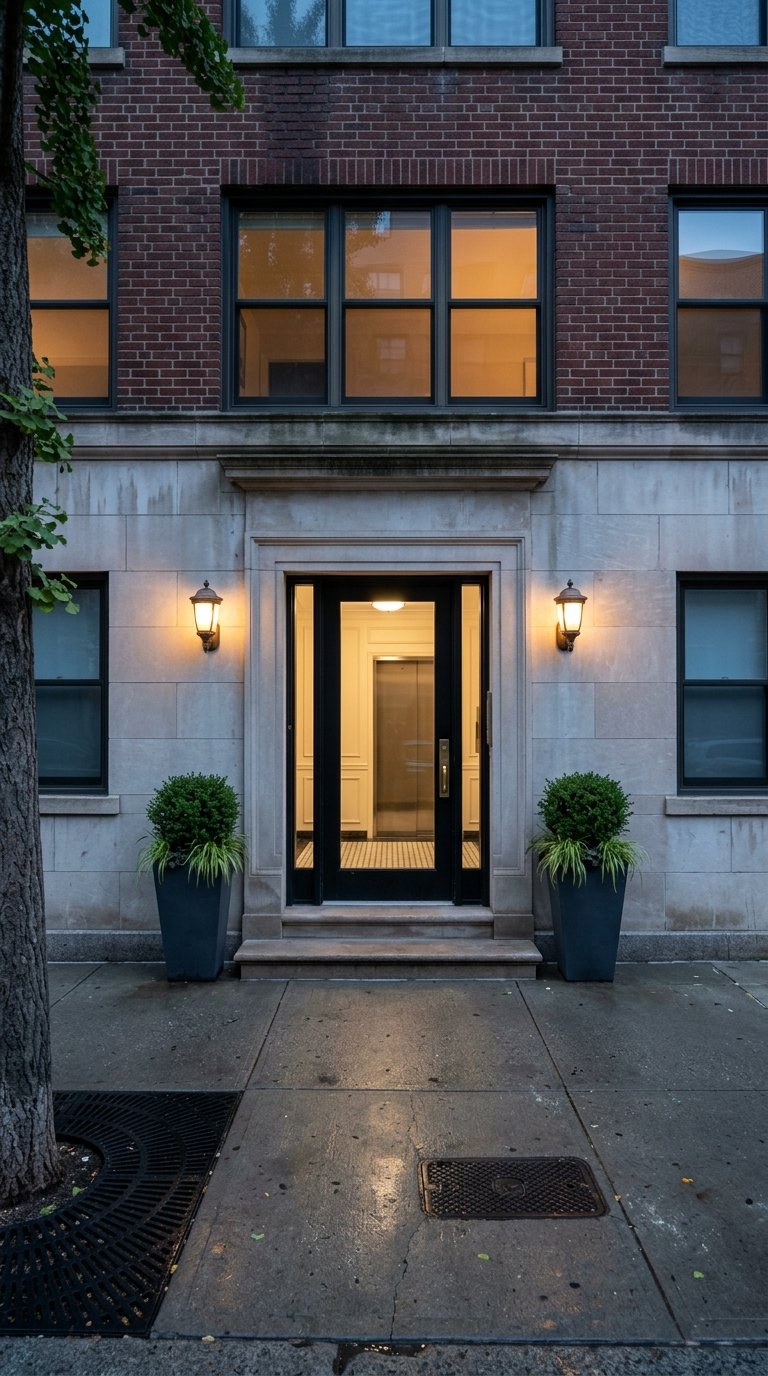
For you as a buyer or renter, that means FiDi often feels less like a classic low-rise Manhattan neighborhood and more like a vertical residential district layered into a historic business core. You get a built environment shaped by towers, large buildings, and newer inventory patterns rather than rows of townhouses or brownstones.
Housing in FiDi Feels Vertical
If you are comparing Manhattan neighborhoods, FiDi stands out for its concentration of condos, rentals, and converted buildings. NYU Furman Center data shows 95,624 housing units in the neighborhood, with a 34.0% homeownership rate and a 6.2% rental vacancy rate. From 2010 to 2025, the area added 4,428 units, including 4,002 market-rate units and 426 income-restricted units.
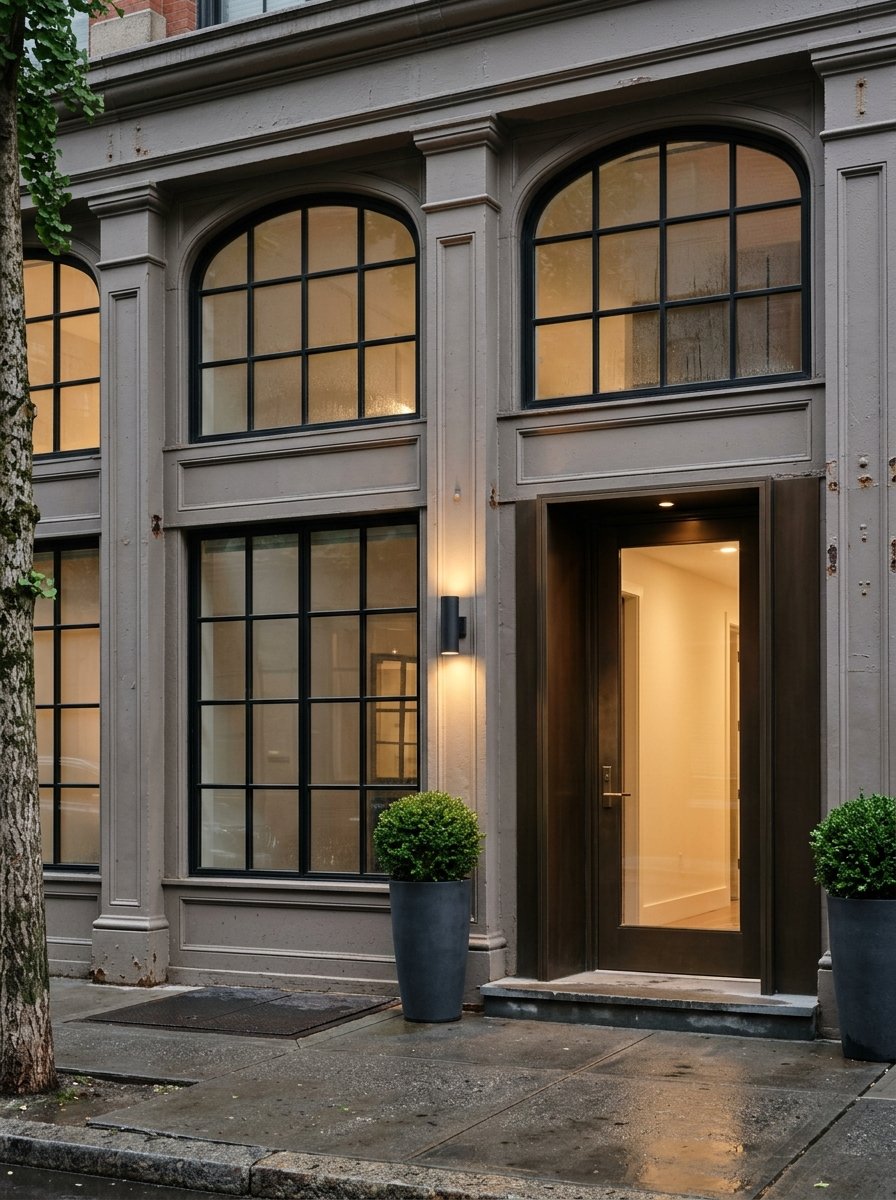
On the ground, the housing experience is usually tied to full-service buildings, loft-style conversions, and amenity-driven towers. Furman Center reported a 2024 median condo sales price of $1.77 million. It also noted a 2024 median gross rent of $3,620, with studios and one-bedrooms often in the $3,000 to $4,000-plus range and larger rentals commonly above $4,000.
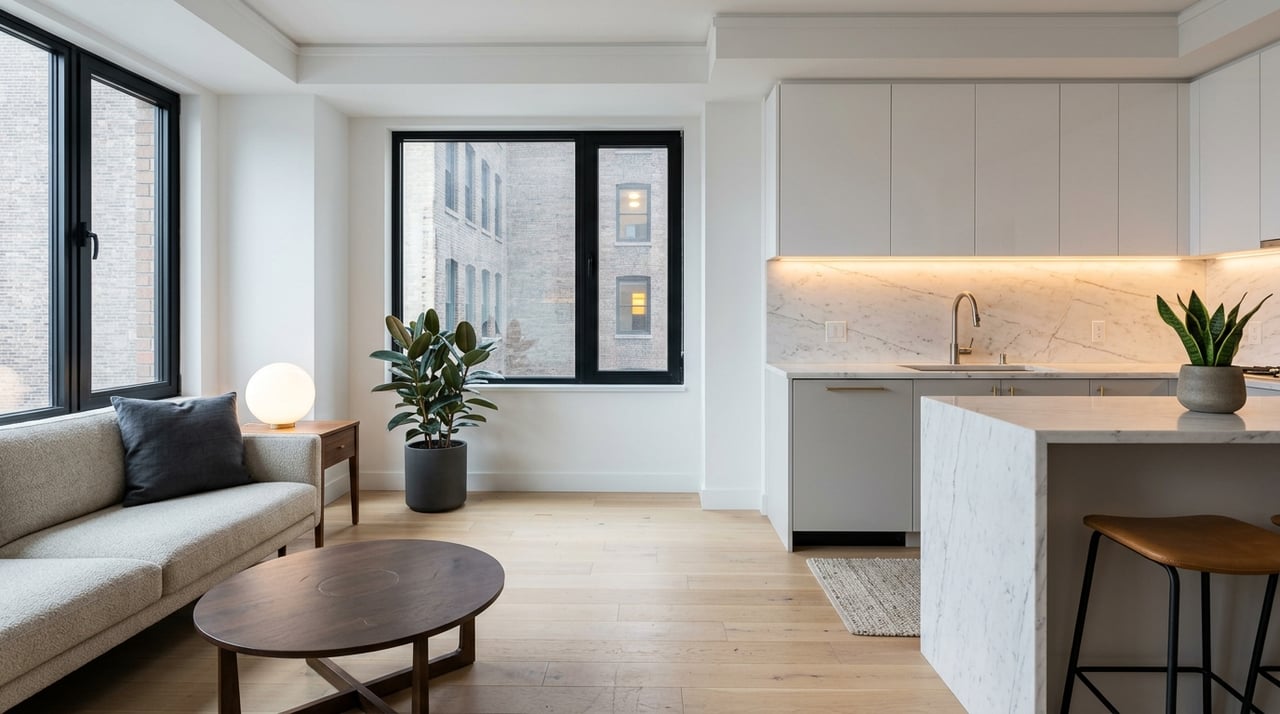
That pricing and building mix make FiDi especially relevant if you want a more modern condo or rental lifestyle in Manhattan. If your priority is elevator buildings, newer finishes, building services, or efficient layouts, the neighborhood can check a lot of boxes. If you are hoping for a low-rise streetscape and classic townhouse feel, this is usually not the market expression you will find here.
What Buyers Should Notice
For buyers, FiDi can offer a distinct slice of Manhattan inventory. The neighborhood’s residential momentum, combined with large-scale conversions, means you may see options that feel different from more traditional co-op-heavy areas. In practical terms, you are often evaluating building quality, amenities, layout efficiency, carrying costs, and how a tower or conversion fits your daily routine.
If you are shopping in the condo market, this is one of those neighborhoods where understanding the building matters as much as understanding the unit. The age of the conversion, service level, common spaces, and transit access can shape long-term livability in a meaningful way.
What Renters Should Keep in Mind
For renters, FiDi offers meaningful inventory, but affordability is still a real consideration. Furman Center reported that 21.6% of renter households were severely rent-burdened in 2024. It also found that while the neighborhood includes 28 subsidized properties, affordable housing remains limited relative to the larger market-rate supply.
That means your search often comes down to balancing budget, space, and building type. You may find strong convenience and building amenities, but you should go in with a realistic view of pricing and monthly costs.
Transit Shapes Daily Life
One of FiDi’s strongest lifestyle advantages is transportation. For many residents, transit is not just a benefit. It is part of the neighborhood’s identity.
Fulton Center integrates five subway stations serving nine lines, and the MTA describes it as the busiest transit hub in Lower Manhattan. The World Trade Center hub adds access to the 1, 2, 3, 4, 5, A, C, E, J, Z, R, and W trains, along with PATH service to Newark and Hoboken.
If your work, family, or social life takes you across Manhattan, Brooklyn, New Jersey, or beyond, that connectivity can make everyday planning much easier. The neighborhood gives you a practical kind of flexibility. You can often piece together multiple route options instead of relying on a single line or transfer path.
Ferries and Local Circulation Add Options
FiDi’s transportation network is not limited to subways. NYC Ferry’s East River route stops at Wall St./Pier 11, and the Staten Island Ferry runs free year-round between Whitehall Terminal and St. George Terminal.
For shorter trips around Lower Manhattan, the Downtown Connection offers a free circulator bus with 36 stops, daily service from 10 a.m. to 7:30 p.m., and roughly 15-minute headways. That may not define your move to the neighborhood, but it can make local errands and connections easier once you live there.
Waterfront Access Is Part of the Appeal
The Financial District’s location at the southern edge of Manhattan gives it a relationship to the waterfront that feels more immediate than in many neighborhoods. You are not just near the water. In many cases, the waterfront becomes part of your walking route, weekend routine, or visual backdrop.
NYC Planning describes the East River Waterfront Esplanade as a contiguous pedestrian and bicycle pathway running along the East River from Battery Park to East River Park. NYC Parks describes The Battery as a park at Manhattan’s southern tip with waterfront gardens and as a common starting point for walking tours.
This gives FiDi a different texture from neighborhoods defined only by their buildings. Even in a dense part of Manhattan, you still have access to open-air movement, harbor views, and public space that can break up the intensity of the street grid.
The Waterfront Is Also Infrastructure
There is another side to this story that matters if you want a clear picture of the neighborhood. The waterfront is also part of Lower Manhattan’s climate resilience planning.
The Lower Manhattan Coastal Resiliency master plan for the Financial District and Seaport proposes a multilevel waterfront that extends the shoreline by up to 200 feet, along with a lower esplanade raised three to five feet above the existing edge to help protect against sea-level rise and coastal storms. In simple terms, FiDi’s shoreline is not static. It is public space, transportation edge, and climate infrastructure all at once.
Weekdays Move Fast, Weekends Open Up
The everyday rhythm in FiDi often changes depending on the day and the hour. On weekdays, the neighborhood still carries office gravity, and that brings energy, movement, and convenience. At the same time, the growing residential population means the area does not simply shut off after business hours.
That blend is one of FiDi’s defining traits. You get a neighborhood that can support a fast morning commute, a quick coffee run, and efficient errands, while still offering places to walk, dine, and decompress later in the day.
Food and Public Space Anchor the Social Routine
Stone Street is one of the neighborhood’s most recognizable everyday gathering places. The Downtown Alliance calls it Lower Manhattan’s original open street and highlights its cobblestones, outdoor seating, and long-established dining culture.
For many residents, spaces like that matter because they add texture to a neighborhood that might otherwise read as purely corporate from the outside. They give FiDi a social center that feels grounded and lived-in.
The Seaport adds another layer, especially on weekends. Current programming includes a Saturday farmers market at South Street and Burling Slip from 9 a.m. to 2 p.m., along with live music, sports watch parties, and waterfront dining.
Put together, a realistic FiDi weekend might include a walk through The Battery, a stop at the Seaport market, time near the waterfront, and dinner around Stone Street or Pier 17. That combination helps explain why the neighborhood increasingly works for people who want more than just a short commute.
Who FiDi Tends to Fit Best
FiDi tends to work well if you value convenience, newer or conversion-style housing stock, and strong transportation access. It can also appeal if you want Manhattan living with immediate access to waterfront public space and a practical, high-functioning daily routine.
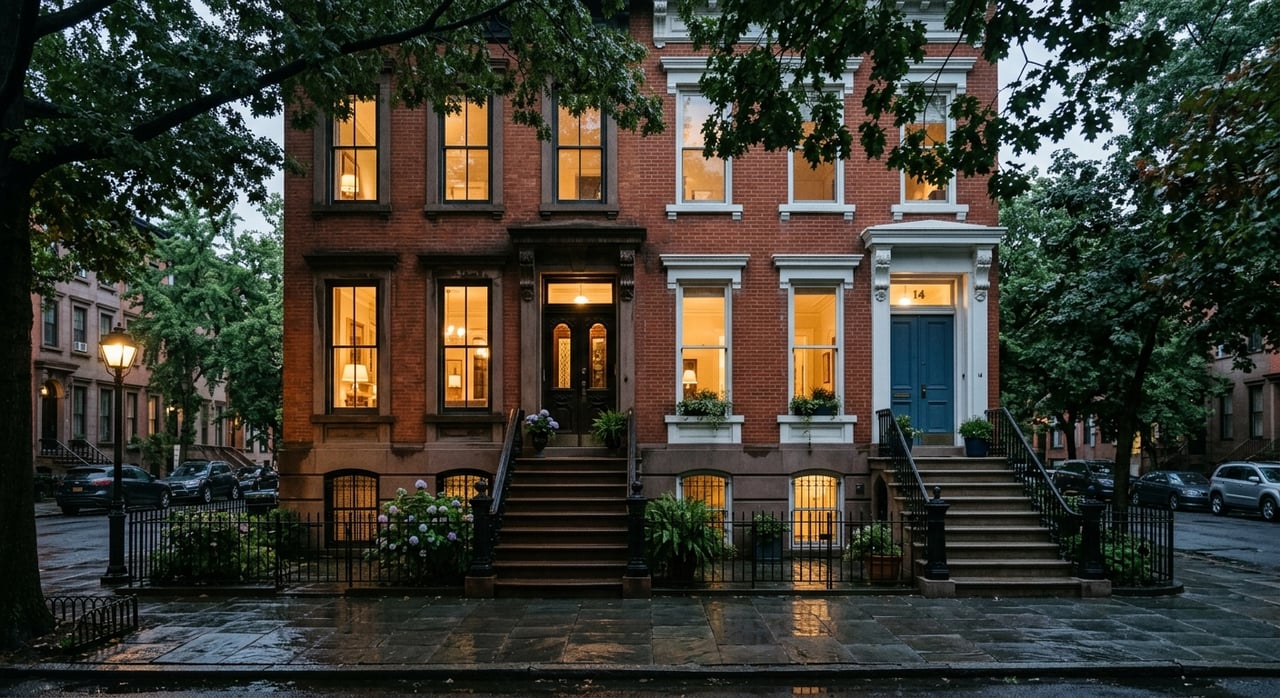
The neighborhood may be a less natural fit if your ideal Manhattan experience centers on quiet brownstone blocks, a low-rise feel, or a more traditionally residential streetscape. FiDi still carries the visual and spatial character of an office district, even as its residential base continues to grow.
For many buyers, that is not a drawback. It is the tradeoff that creates the neighborhood’s appeal. You get dense infrastructure, a large-building housing environment, and one of the most connected locations in the city.
Why the Everyday Rhythm Matters
When you evaluate a neighborhood, statistics only go so far. What often matters more is how the place supports your actual life. In FiDi, the answer is usually found in the mix: vertical housing, all-day transit options, waterfront access, and a steady calendar of public-facing activity.
That combination gives the Financial District a daily rhythm that feels distinctly Manhattan but also distinctly its own. If you want a neighborhood built around movement, access, and modern residential momentum, FiDi is worth a serious look.
If you are weighing a purchase or sale in Lower Manhattan and want practical guidance on how a specific building or property fits the market, David Menendez can help you evaluate your options with clear, steady advice.
FAQs
What is everyday life like in the Financial District?
- Everyday life in FiDi is shaped by fast transit access, high-rise residential buildings, waterfront public space, and a mix of weekday business activity and weekend dining and recreation.
What kind of housing is common in the Financial District?
- The neighborhood is known for condos, rentals, loft conversions, and amenity-focused towers rather than low-rise townhouse or brownstone housing.
What is the Financial District condo market like?
- NYU Furman Center reported a 2024 median condo sales price of $1.77 million, reflecting a market shaped by large buildings, condo inventory, and conversion-led residential growth.
Is the Financial District well connected for commuting?
- Yes. Fulton Center and the World Trade Center hub provide access to numerous subway lines, and the neighborhood also offers PATH, ferry service, and the free Downtown Connection bus.
What can you do near the Financial District waterfront?
- You can walk or bike along the East River Waterfront Esplanade, spend time at The Battery, take a ferry, or head toward the Seaport for markets, dining, and events.
Is the Financial District mostly residential now?
- FiDi still has a strong office-district character, but it has seen major residential growth over the last decade and has become one of Lower Manhattan’s most significant residential growth areas.