If you want classic Brooklyn streets, landmark architecture, and a location that still keeps Manhattan within reach, Clinton Hill deserves a serious look. For many buyers, the challenge is finding a neighborhood that feels distinct and livable without stepping too far from the city’s main job centers and transit connections. This guide breaks down what you can actually expect in Clinton Hill, from housing options and pricing to commute tradeoffs and landmark-district realities. Let’s dive in.
Why Clinton Hill Stands Out
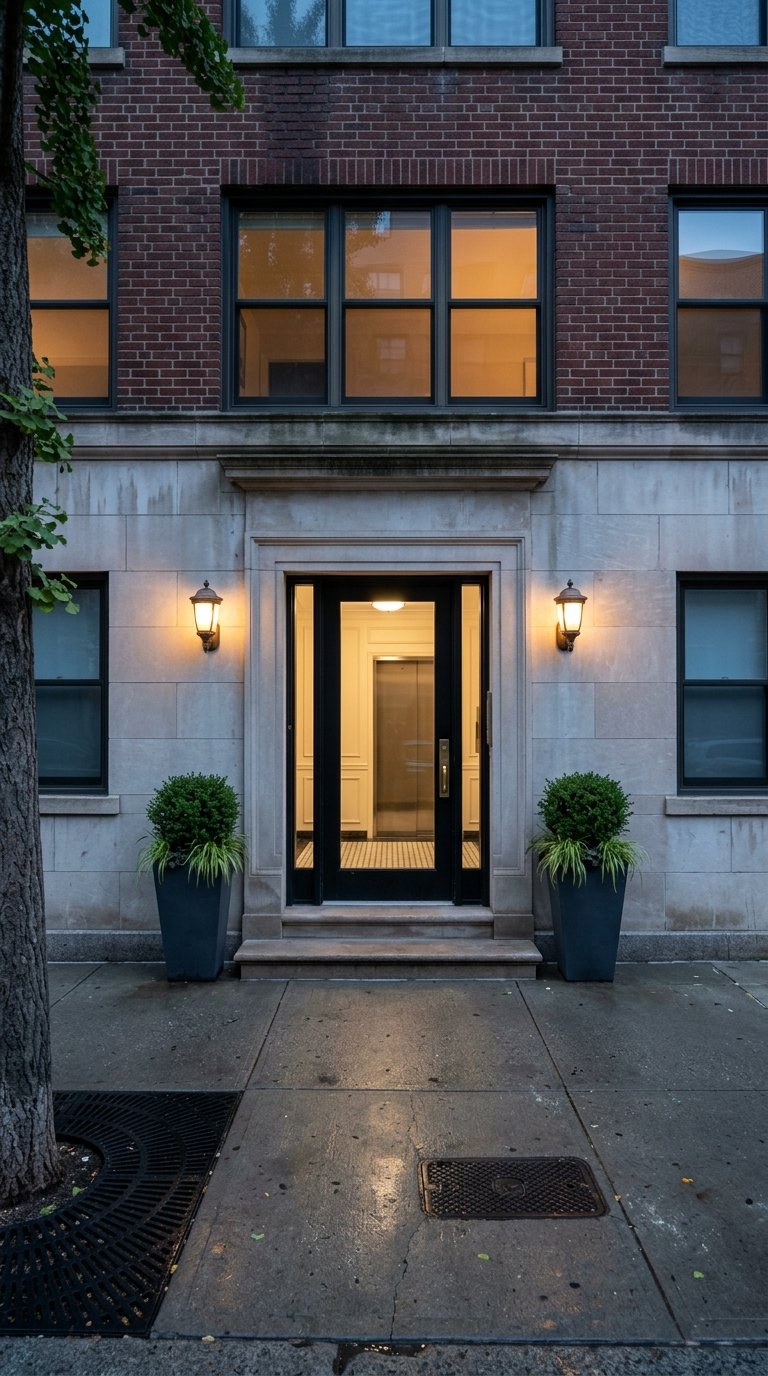
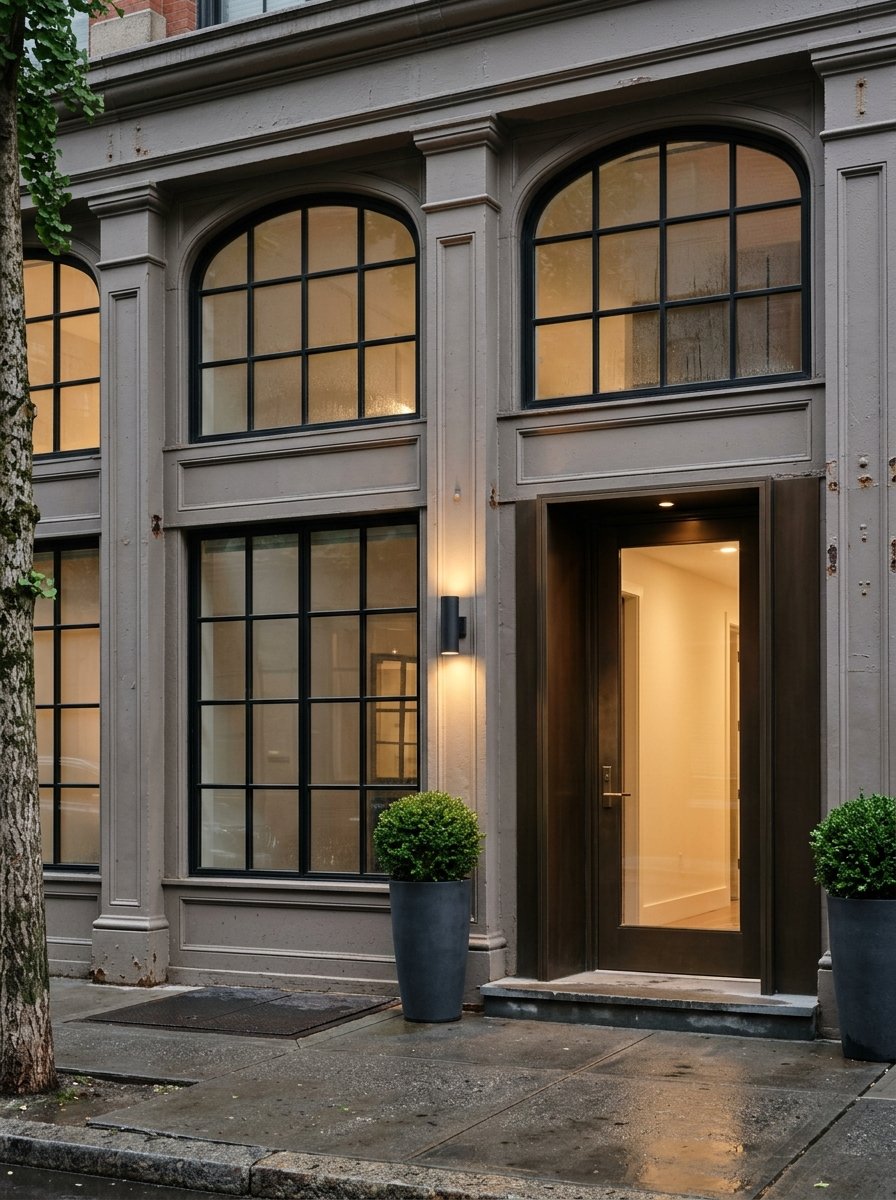
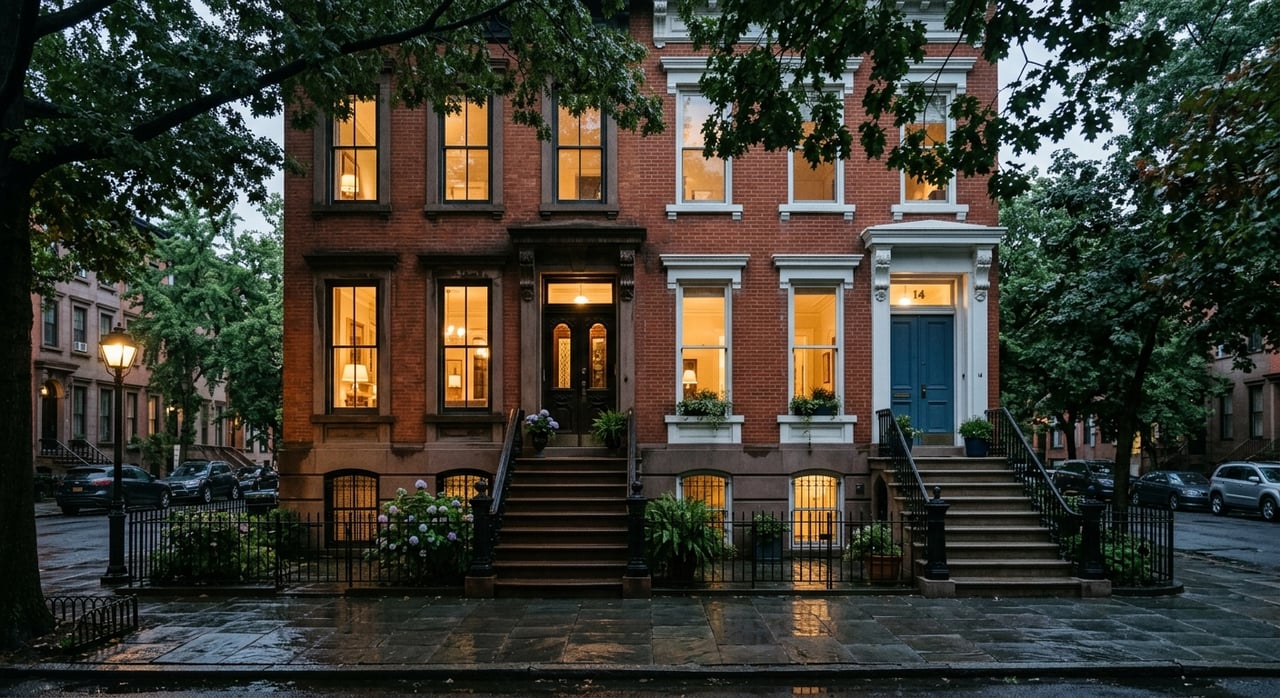
Clinton Hill is one of Brooklyn’s best-known brownstone neighborhoods. NYC Planning describes its residential core as a landscape of three- to five-story brownstone row houses, along with mid-19th-century mansions and mid-rise apartment buildings. That mix gives the neighborhood a strong visual identity that feels established rather than newly built.
The area’s historic character is not accidental. In planning materials tied to the Fort Greene and Clinton Hill rezoning, the city highlighted preservation of the neighborhood’s brownstone fabric, and about half of the core blocks were already within the Fort Greene and Clinton Hill Historic Districts. Clinton Hill’s historic district designation in 1981 helped preserve the low-rise streetscape that many buyers still associate with classic Brownstone Brooklyn.
Pratt Institute also shapes the neighborhood in a meaningful way. Pratt says its Brooklyn campus spans 25 acres across Clinton Hill and Fort Greene, and that presence adds a strong institutional anchor along with a leafy campus feel. Together, the landmarked blocks and the Pratt presence help explain why Clinton Hill feels visually cohesive and deeply tied to place.
What Homes You’ll Find
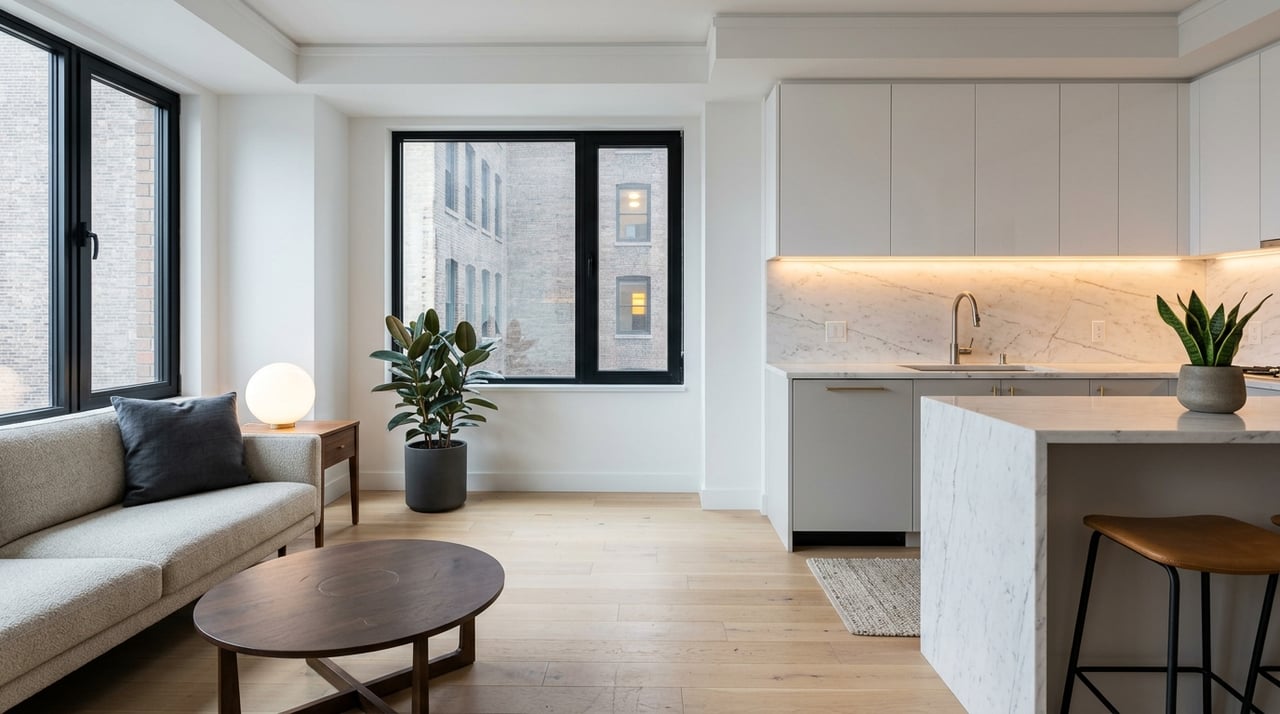
If you picture Clinton Hill as only townhouses and grand brownstones, that is only part of the story. Today’s market includes condos, co-ops, and new development listings, along with the historic housing stock people most often associate with the neighborhood. That gives buyers more than one entry point.
StreetEasy’s live market snapshot, printed May 24, 2026, shows a median for-sale price of $985,500 in Clinton Hill. The same snapshot shows a median price of $1,088 per square foot and a median size of 1,026 square feet. For buyers comparing neighborhoods, those numbers help frame Clinton Hill as a premium Brooklyn market, but not a one-size-fits-all one.
The product mix is broad enough to serve different goals and budgets. On the condo side, StreetEasy reports live medians of $714,500 for studios, $774,500 for one-bedrooms, $1,449,000 for two-bedrooms, and $2,298,000 for three-bedrooms. For co-ops, the live medians are $365,000 for studios, $610,000 for one-bedrooms, and $1,315,000 for two-bedrooms.
That range matters if you are moving out of Manhattan or simply trying to buy more space without giving up a city lifestyle. In Clinton Hill, you may find everything from apartment-style ownership to homes in conversion buildings or more traditional brownstone settings. The result is a neighborhood that can appeal to both first-time buyers and more experienced city buyers looking for a different kind of streetscape.
Clinton Hill Versus Manhattan Pricing
For Manhattan buyers, Clinton Hill often enters the conversation because of value relative to Manhattan condos. StreetEasy’s live median for-sale price in Clinton Hill is $985,500. Miller Samuel’s Manhattan overview puts the borough-wide median sales price at $1,225,000 for Q1 2026.
By simple comparison, Clinton Hill’s median is about 19.6% below Manhattan’s Q1 2026 median. Compared with Manhattan’s Q4 2025 condo median of $1,661,000, Clinton Hill’s median is about 40.7% lower. Clinton Hill’s live price per square foot is also about 22.6% below Manhattan’s Q4 2025 resale price per square foot.
That does not make Clinton Hill a discount market. It is still a serious price point by any standard, especially for larger condos and townhouse-style homes. But if your comparison set includes central Manhattan condos, Clinton Hill can offer a materially different value equation while giving you a more brownstone-oriented setting.
Monthly carrying costs also shape the comparison. Miller Samuel notes that Manhattan co-op maintenance averaged $3,007 per month in Q1 2026, while condo common charges plus real estate taxes averaged $4,559 per month. For buyers working through a full monthly budget, that context can matter just as much as the headline purchase price.
Getting Around From Clinton Hill
Clinton Hill offers practical transit access, but it helps to go in with realistic expectations. The MTA subway maps show the G train at Classon Av and Clinton-Washington Avs, along with the C train at Clinton-Washington Avs. Those are the neighborhood’s core subway options.
For broader connections, Atlantic Terminal is nearby. The MTA says the station is accessible and connects riders to subway and bus service, plus Long Island Rail Road service to Jamaica with frequent peak and off-peak trains. That gives residents another useful transit hub beyond the neighborhood stations themselves.
For Manhattan commuters, the tradeoff is straightforward. Clinton Hill gives you access to downtown Brooklyn, lower Manhattan, and transfer points for midtown travel, but it is generally not the kind of neighborhood people choose for a simple one-line express ride deep into Manhattan. If you value neighborhood character and can live with a more route-based commute, that balance may work well for you.
Everyday Life in Clinton Hill
A neighborhood has to work on ordinary days, not just during an open house. In Clinton Hill, one of the biggest lifestyle anchors is Fort Greene Park. NYC Parks lists it at 30.17 acres and notes features that include playgrounds, basketball and tennis courts, wooded areas, events, and the Prison Ship Martyrs Monument.
That park access matters because it adds breathing room to a dense urban setting. Pratt’s campus also contributes to the neighborhood’s greener feel, reinforcing the sense that Clinton Hill has more tree cover and open visual space than some busier parts of Brooklyn. For many buyers, that combination is a meaningful part of the appeal.
Commercial activity is centered along Myrtle Avenue and Fulton Street, according to NYC Planning. Atlantic Avenue forms a lower-rise edge with retail and auto-oriented uses. In practical terms, that means Clinton Hill offers neighborhood-scale daily convenience while still sitting near larger Brooklyn activity centers.
NYC Planning places the local population at about 38,930 residents. That helps explain the area’s balance. It feels active and urban, but it does not read like a fully downtown environment.
Landmark Rules Buyers Should Understand
If you are shopping for a brownstone or another historic property in Clinton Hill, landmark status is not a minor detail. The Landmarks Preservation Commission says buildings in historic districts are protected under the Landmarks Law, and owners generally need Commission approval before exterior alterations. Interior alterations and ordinary repairs are treated differently.
In practice, that means changes to facades, windows, roofs, and additions may involve a review process. If you love historic homes, that oversight may be part of what preserves the blocks you are drawn to in the first place. Still, it is something you should understand before you buy.
This is where block-by-block and building-by-building guidance matters. In a neighborhood where architectural continuity is part of the value, details that may feel cosmetic elsewhere can carry more weight. A buyer who understands that early is usually better positioned to make a smart decision.
What Sellers Should Keep in Mind
For sellers, Clinton Hill’s historic streetscape can be a real advantage. The neighborhood’s appeal is closely tied to intact stoops, masonry, cornices, and traditional window proportions. Buyers who come to Clinton Hill are often looking for that specific visual character, not just square footage.
That means presentation should support the property’s architectural story. In a market like this, condition, exterior details, and how well a home fits the surrounding block can shape buyer perception quickly. Sellers benefit when the home’s strongest neighborhood-specific features are clear from the start.
A measured pricing strategy matters too. Clinton Hill attracts buyers who often compare co-ops, condos, and historic homes across Brooklyn and Manhattan, so your property is rarely competing in a vacuum. The best positioning usually comes from a clean, data-informed approach rather than overreaching on the first list price.
If you are weighing Clinton Hill against Manhattan or another Brooklyn neighborhood, the right answer usually comes down to priorities. If you want a classic brownstone setting, strong architectural identity, and pricing that can compare favorably with many Manhattan condos, Clinton Hill offers a compelling case. If your top priority is a single-seat express-style Manhattan commute, you may need to think more carefully about the tradeoff.
For buyers and sellers alike, Clinton Hill is a neighborhood where nuance matters. The housing stock is varied, the historic character is real, and the pricing sits in an interesting middle ground between aspirational Brooklyn and many Manhattan alternatives. If you want practical guidance on how Clinton Hill fits into your broader NYC real estate search or sale, David Menendez can help you think it through with steady, data-informed advice.
FAQs
What is Clinton Hill known for in Brooklyn?
- Clinton Hill is known for its brownstone row houses, mid-19th-century mansions, historic district streetscape, and the presence of Pratt Institute.
What kinds of homes can you buy in Clinton Hill?
- Buyers in Clinton Hill can find condos, co-ops, new development homes, and historic brownstone-style properties.
What is the median home price in Clinton Hill?
- StreetEasy’s live market snapshot printed May 24, 2026, shows a median for-sale price of $985,500 in Clinton Hill.
How does Clinton Hill compare to Manhattan on price?
- Clinton Hill’s median for-sale price is about 19.6% below Manhattan’s Q1 2026 median sales price, based on the figures in the research report.
What subway access does Clinton Hill have?
- Clinton Hill’s main subway access includes the G train at Classon Av and Clinton-Washington Avs, plus the C train at Clinton-Washington Avs, with Atlantic Terminal nearby for broader connections.
What should buyers know about Clinton Hill landmark rules?
- If a property is in a historic district, exterior changes such as facade work, window changes, roof changes, and additions may require review by the Landmarks Preservation Commission.