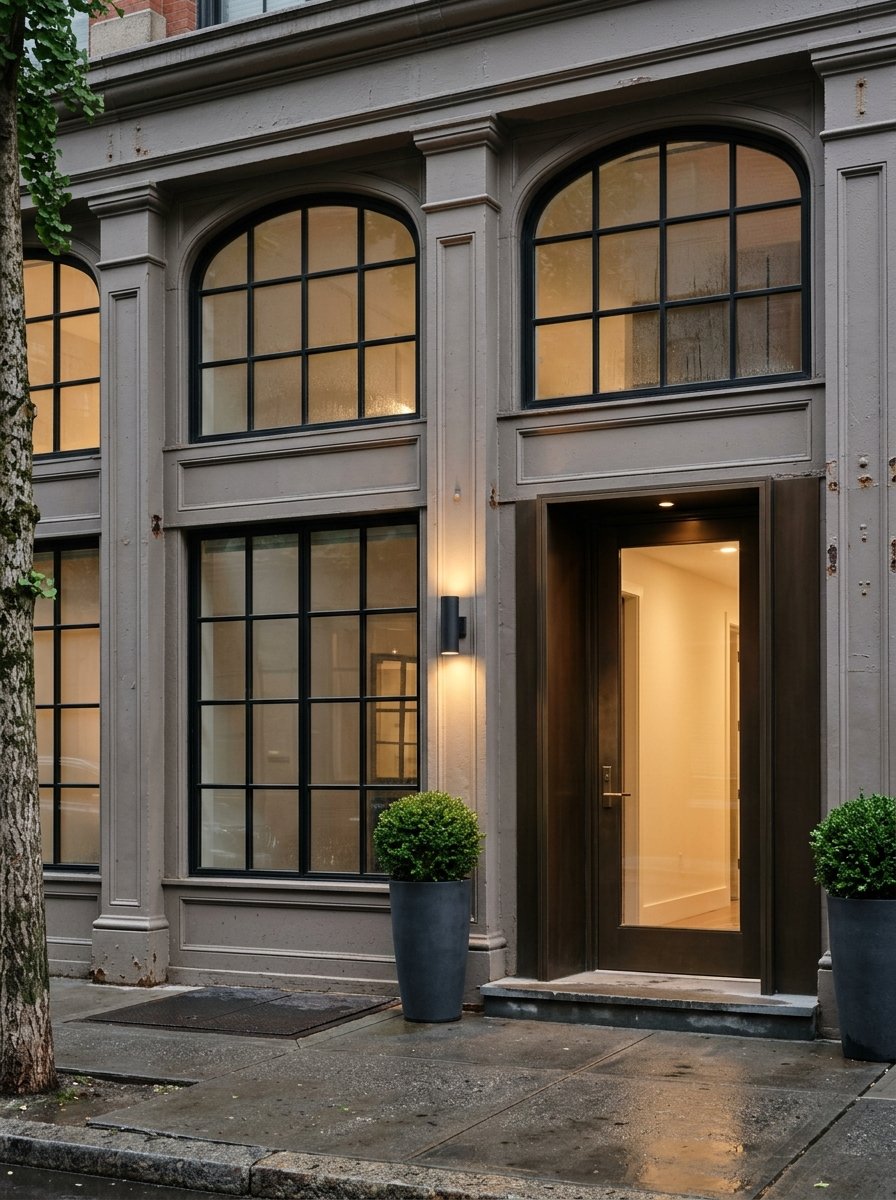
If you are drawn to SoHo lofts, you are probably chasing more than square footage. You are looking for volume, light, history, and a kind of New York space that feels hard to replicate anywhere else. Before you commit, it helps to understand that a SoHo loft is not just a stylish apartment, it is often a historic building with legal, financial, and day-to-day considerations that can be very different from a standard condo or co-op. Let’s dive in.
SoHo lofts are shaped by history
SoHo’s loft market is tied closely to the SoHo-Cast Iron Historic District, which was designated by the Landmarks Preservation Commission in 1973. The district includes roughly 500 buildings across 25 blocks, and its cast-iron store-and-loft buildings still define the neighborhood’s look and feel today.
That history is a big part of the appeal. Many buyers are drawn to the oversized windows, exposed structure, and broad floor plates that came from buildings originally designed for wholesale and manufacturing uses. At the same time, those origins can create practical tradeoffs that are easy to miss if you focus only on finishes and photos.
Because SoHo is landmarked, exterior work is not something to treat casually. The Landmarks Preservation Commission regulates designated historic buildings and historic districts, so changes to facades, windows, and other exterior elements may require review. If you are considering a purchase in one of these buildings, that should be part of your due diligence from the start.
What to check inside the loft
A true loft may look open, but not every open space is equally usable. Older store-and-loft buildings often have repetitive structural bays and columns that affect where furniture can go and how rooms can be defined.
That means you should verify the actual ceiling height, note column placement, and look at usable wall space in the specific unit. A dramatic room can still feel awkward if the structural layout interrupts circulation or limits storage and room planning.
Legal use matters as much as design
One of the most important questions in SoHo is simple: can the unit be lawfully occupied as a residence? In New York City, the Certificate of Occupancy identifies a building’s legal use and occupancy, and that document matters a lot in a neighborhood with a mix of historic live-work and residential arrangements.
The Department of Buildings says the SoHo/NoHo Neighborhood Plan, approved on December 15, 2021, created the Special Soho-NoHo Mixed Use District and a voluntary path to convert existing conforming JLWQA use to residential use. DOB also states that new conversions to JLWQA use were prohibited after that date.
For buyers, the practical takeaway is that not every SoHo loft is legally interchangeable. If a unit has a history tied to JLWQA use, Loft Law coverage, or a later residential conversion, you need clarity before signing a contract.
Why occupancy status can get complicated
Some units may fall under different rules depending on the building’s filings and history. DOB notes that buildings with Loft Board IMD registration numbers are treated differently, and units that completed the Loft Law process with a final Certificate of Occupancy may continue to be occupied as residential space without DCLA artist certification.
That is why a buyer should review the Certificate of Occupancy, offering plan, and building filings together. A loft that looks perfect on a tour may require more legal review than a more conventional apartment in another part of Manhattan.
Co-op and condo ownership are not the same
In SoHo, a co-op and a condo may look similar from the street, but they work very differently in practice. The ownership structure affects your monthly costs, your rights in the building, and often the purchase process itself.
In a co-op, you buy shares in a corporation and receive a proprietary lease for the apartment. Maintenance charges are based on the number of shares allocated to the unit.
In a condo, you own the unit directly. The building’s governing documents allocate common charges, reserve obligations, assessments, and repair responsibilities.
Why this difference matters to buyers
The monthly cost can sound similar on paper, but the legal structure behind it is not. In a condo, offering-plan regulations require disclosures around the building budget, projected common charges, reserve assumptions, and the tax treatment of each unit.
That makes document review especially important. Before you buy, you want to understand not just what you will pay each month, but also how those numbers are set and what expenses may still fall on you separately.
Livability depends on more than aesthetics
The classic SoHo loft look comes with practical questions about sound, light, and layout. A loft can feel spectacular on a first visit but still be frustrating to live in if noise travels too easily or the floor plan does not support daily routines.
New York City’s residential noise guidance notes that hardwood floors can amplify reverberant noise, windows and doors are often weak points in a facade, and wall and floor construction strongly affect sound transfer. That is especially relevant in older loft buildings that were not originally designed for modern acoustic privacy.
When you tour a loft, pay attention to street noise, mechanical noise, upstairs footfall, and how sound moves between open living areas and enclosed rooms. The more open the plan and the harder the surfaces, the more important this becomes.
Ceiling height and columns affect daily use
Buyers often focus on whether the loft has high ceilings, but clear height is only part of the story. The structural grid also matters.
Many SoHo loft buildings feature repetitive bays and cast-iron columns. Those details create architectural character, but they can also produce awkward breaks in the floor plate or limit where closets, bedrooms, and workspaces can go.
Layout affects resale too
A loft that is easy to furnish and move through usually has a stronger long-term position than one that only looks dramatic in listing photos. Usable walls, sensible circulation, and daylight that reaches the right parts of the apartment can all make a difference.
In practical terms, flexibility matters. If a future buyer can understand how to live in the space without major compromise, resale tends to be easier.
Carrying costs can surprise buyers
Many SoHo buyers focus heavily on purchase price, but monthly costs are just as important. Depending on the building, your ongoing costs may include maintenance or common charges, real estate taxes, insurance, assessments, utilities, and interior repair obligations.
For condos, New York regulations require offering plans to explain projected carrying charges, what those charges exclude, and how real estate taxes are handled. That matters because some owner costs may sit outside the headline monthly number.
If you are financing, your mortgage payment is an additional expense on top of those carrying costs. The full monthly picture is what matters, not just the asking price.
NYC tax details to review
The New York City Department of Finance lists the Class 2 property tax rate for tax year 2026 at 12.439%. That rate is only part of the calculation, though, because actual bills depend on assessed value, abatements, and the unit’s tax treatment.
The city also says many eligible co-op and condo buildings may qualify for the Cooperative and Condominium Property Tax Abatement if the unit is the owner’s primary residence. Current annual savings percentages range from 28.1% to 17.5%, depending on assessed value, and the board or managing agent applies on behalf of the building.
There is also a practical risk to understand. If a required prevailing wage affidavit is not filed, the building can lose the abatement for that tax year, which can affect carrying costs even if the building’s operating expenses have not changed.
Read the documents carefully
For SoHo lofts, due diligence is often where the real story comes into focus. The New York Attorney General recommends reading the full offering plan and consulting an attorney before signing a purchase agreement.
That is especially important for sponsor-sale or newly converted units, where the sponsor’s obligations are controlled by the offering plan rather than informal statements or marketing language. For resales, the same guidance notes that buyers should rely on contract rights, building documents, and due diligence instead of assuming sponsor-style protections.
Key documents to review before an offer
Before making an offer on a SoHo loft, these are some of the most important items to review:
- Certificate of Occupancy
- Offering plan and any amendments
- Board minutes
- Financial statements
- Budget or reserve information
- Records of violations or pending work
Board minutes and financial reports can reveal issues that may not be obvious during a showing. They can also flag upcoming repairs involving facades, roofs, elevators, plumbing, boilers, or electrical systems that could lead to future costs.
What tends to support long-term value
In SoHo, loft value is often supported by a combination of landmark character, neighborhood identity, strong light, livable layout, legal clarity, and manageable ongoing costs. The neighborhood’s historic fabric remains one of its biggest strengths, and that architectural identity continues to shape buyer demand.
On the other hand, unresolved occupancy questions, poor acoustics, awkward structural layouts, or unusually high carrying costs can make a loft harder to finance, harder to enjoy, and harder to resell. In this market, the most appealing space is not always the one with the most dramatic first impression.
Usually, the better purchase is the loft that balances character with practical fundamentals. If the legal use is clear, the layout works, the monthly costs are transparent, and the building documents hold up under review, you are in a much stronger position to buy with confidence.
If you are weighing a loft purchase in SoHo and want a steady, experienced read on the tradeoffs, working with a broker who understands Manhattan co-ops, condos, and neighborhood-specific due diligence can save you time and help you avoid expensive surprises. To talk through your options, connect with David Menendez.
FAQs
What makes a SoHo loft different from a standard Manhattan apartment?
- A SoHo loft is often located in a historic store-and-loft building with features like large windows, exposed structure, broad floor plates, and landmark-related restrictions that can affect renovations and due diligence.
Why does legal occupancy matter when buying a SoHo loft?
- Legal occupancy matters because the Certificate of Occupancy determines whether the unit can be lawfully used as a residence, and some SoHo lofts have histories tied to JLWQA use, Loft Law status, or later residential conversions.
What should a buyer review before buying a SoHo loft?
- A buyer should review the Certificate of Occupancy, offering plan, board minutes, financial statements, reserve or budget information, and any violations or pending building work.
How do co-op and condo costs differ in SoHo?
- In a co-op, you generally pay maintenance based on your share allocation, while in a condo you own the unit directly and typically pay common charges plus real estate taxes and any other owner-responsible costs.
What livability issues should buyers test in a SoHo loft?
- Buyers should pay close attention to street noise, sound transfer, mechanical noise, window performance, ceiling height, column placement, and whether the layout works for furniture, storage, and room definition.