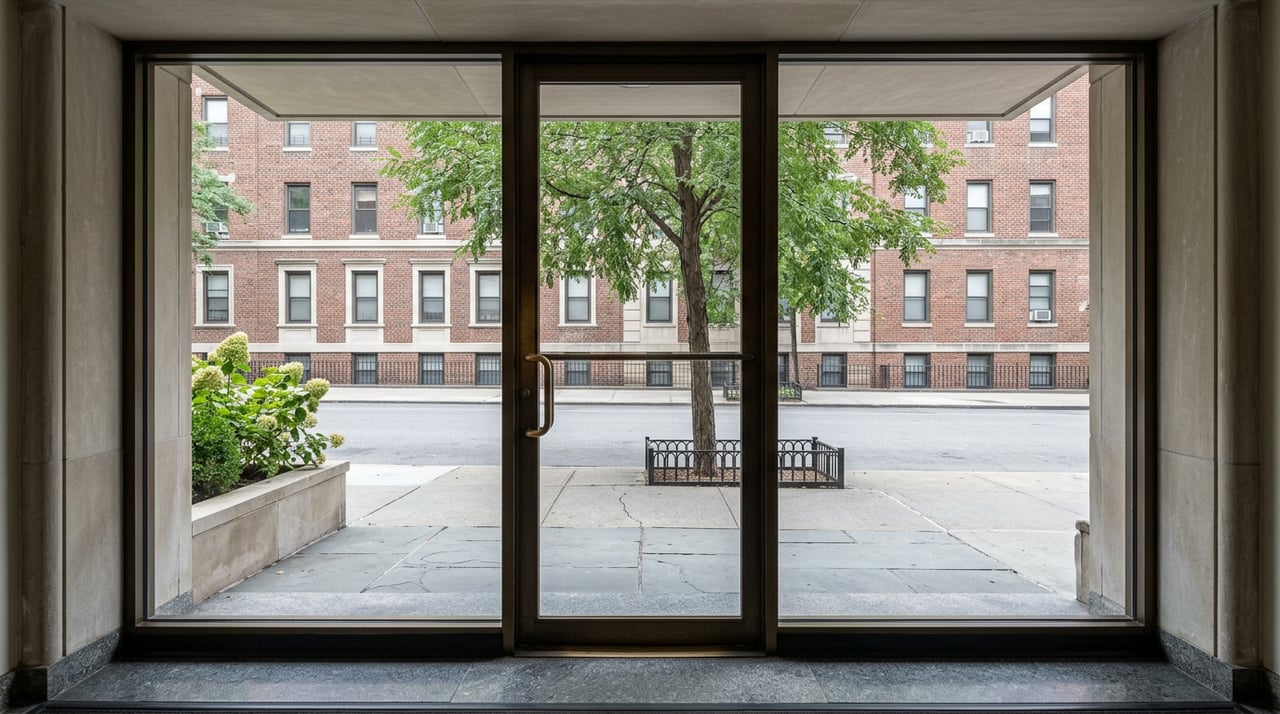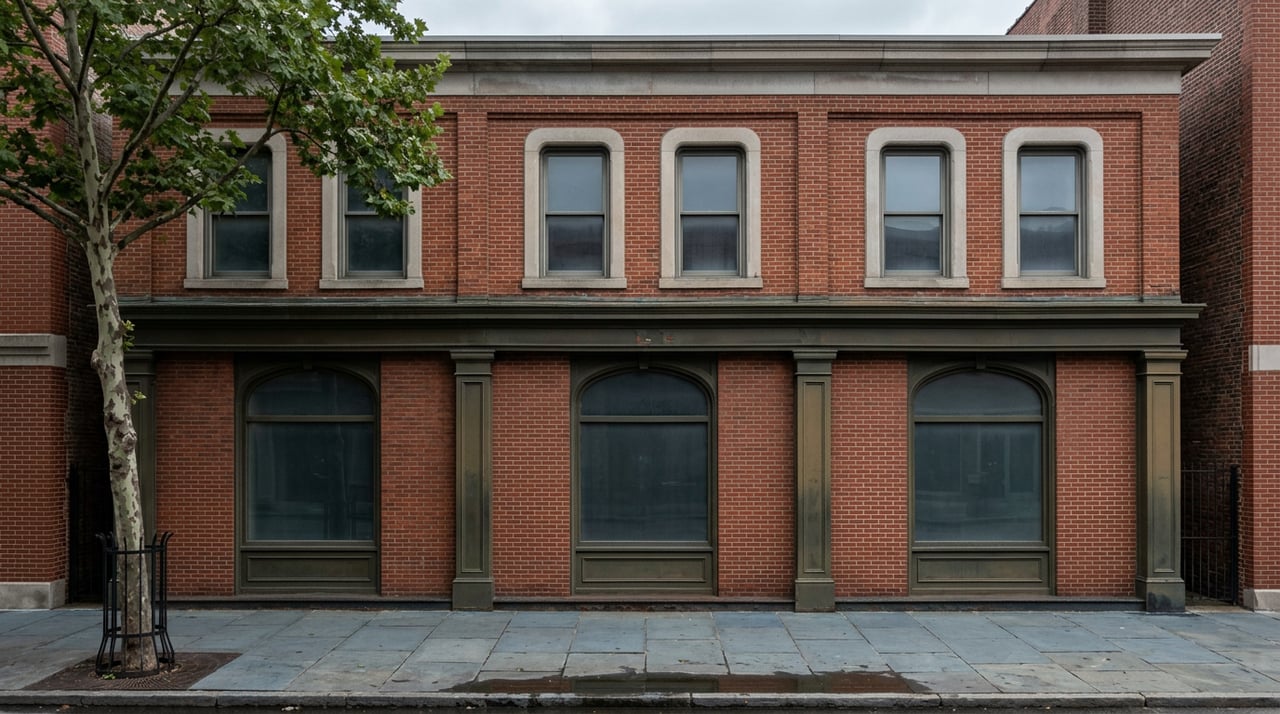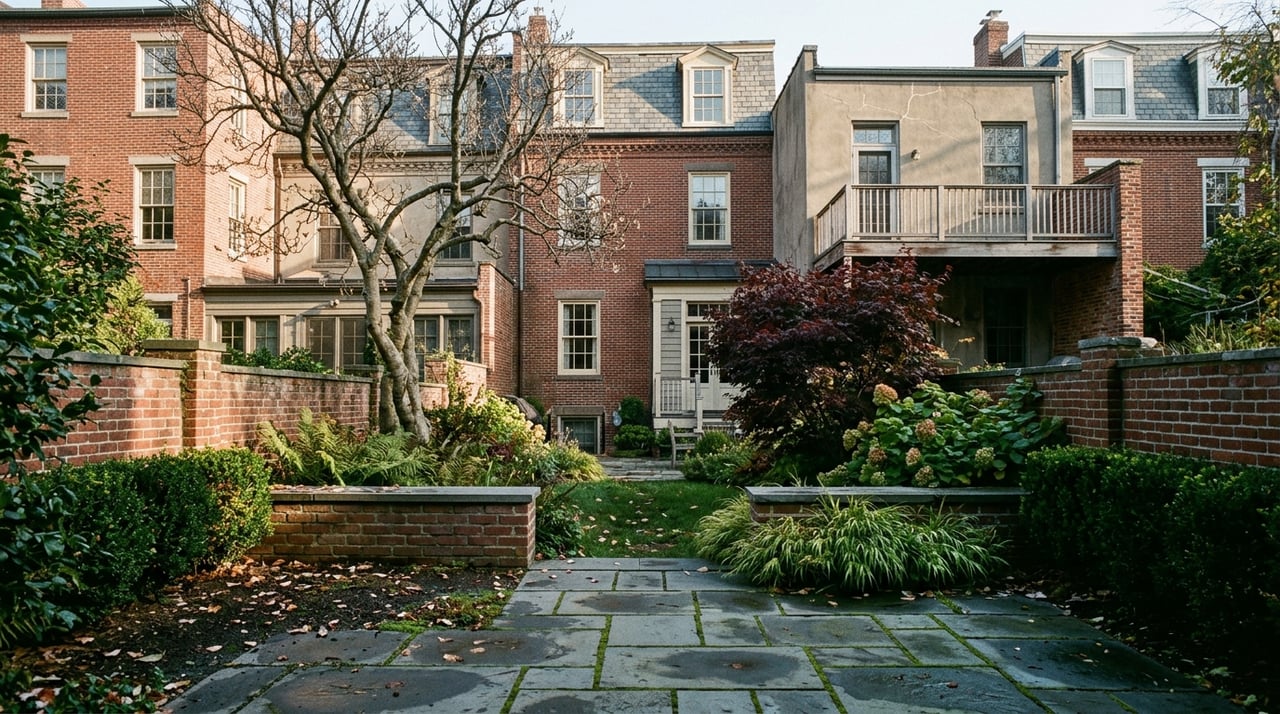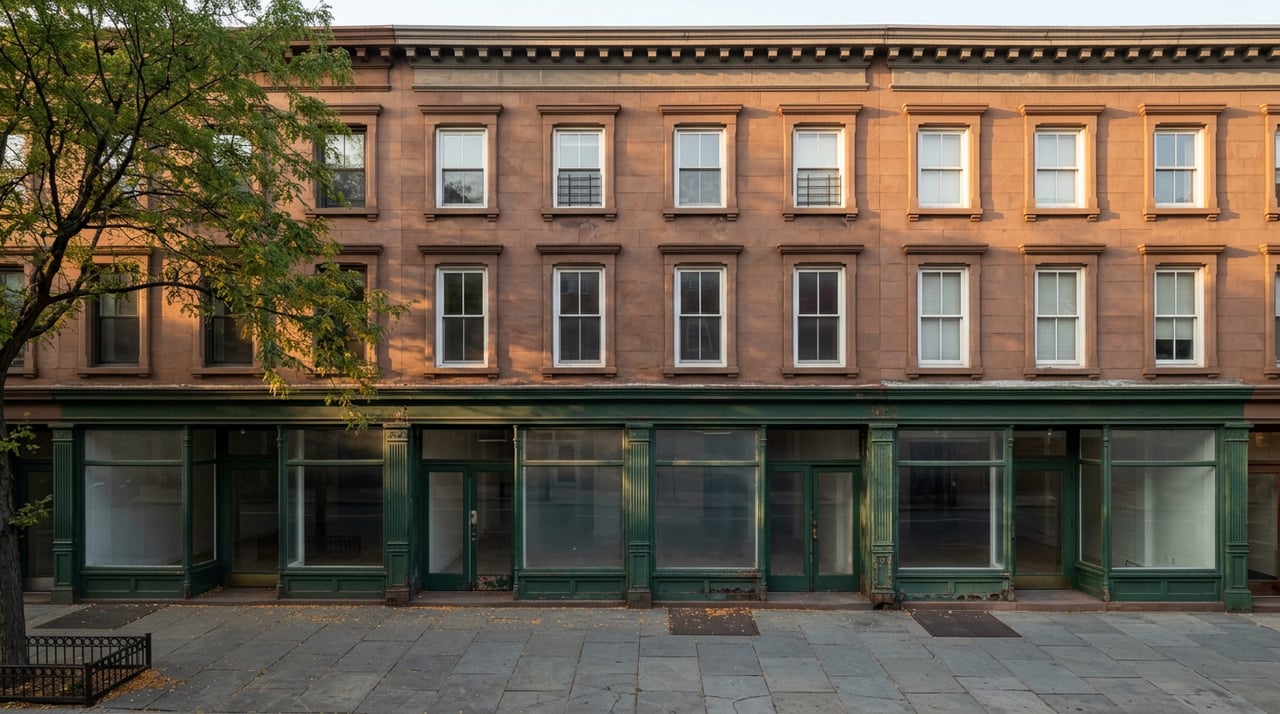
Walk from the Washington Square Arch down to Hudson Street any evening this August and you'll pass at least six restaurants that changed hands, reopened, or reworked their menu since Memorial Day. None of them sit on a block you haven't walked before. That's the part worth sitting with. Greenwich Village's restaurant map didn't expand this summer. It got reoccupied, by the same kind of operator who already knows this is a market worth signing a long lease for.
That distinction matters if you live here, because it changes how you read the neighborhood. A wave of brand-new concepts testing an unproven block tells you rents are cheap and landlords are desperate. A wave of veteran operators moving back into addresses that sat empty for a year or two tells you something closer to the opposite: the demand was always there, and the space just needed the right tenant to catch up to it.
Fifth Avenue's Landmark Problem Solved Itself
Claudette had been dark since 2024, closed for repairs on its landmark corner space on Fifth Avenue. It reopened this summer under Carlos Suarez's Casa Nela group, the same team that originally opened it back in 2014, with a new look built around red oak accents and vintage pendant lighting at the bar. Executive chef Igor Almeida Cabral is running a menu rooted in French bistro staples with cues from Provence and the Mediterranean, and by all early accounts the tone has shifted toward something more polished than the original room.
Two years dark on a corner that visible isn't a small vacancy. It's the kind of gap that makes a regular start rerouting their weekly dinner plans and never quite rerouting back. Claudette's return closes that loop for anyone who used to treat it as a default.
The Room That Outlived Otto and One Fifth
A few blocks over, the ground floor that once held Otto, and before that One Fifth, now belongs to Golden Steer, the Las Vegas steakhouse that has been serving since 1958. That's two closures in a row on the same footprint before a third operator decided the address was worth a fifty-eight-year-old brand and whatever build-out comes with it. Restaurants don't sign leases like that on a whim. When a legacy steakhouse plants a flag on a corner that just watched two concepts fail, it's a bet that the surrounding foot traffic is more durable than the previous tenants proved to be.
Two Blocks, Two Different Bets
The bigger story of 2026, though, isn't Fifth Avenue. It's a split decision between two blocks that don't usually get mentioned in the same sentence: West 8th Street and Bleecker at MacDougal.
| Sendo (West 8th & Sixth Ave) | Motek (Bleecker & MacDougal) | |
|---|---|---|
| Format | Tokyo-style sushi counter, second location after its 300-square-foot NoMad original | Miami-born Mediterranean spot, second location after its Flatiron debut in September 2025 |
| New footprint | 900 square feet, 29 seats (14 at tables, 15 at a bar pouring beer and wine) | About 120 seats inside plus 50 on an outdoor patio |
| What it changes | A real sit-down sushi option now exists where there wasn't one, with a bar seat for a quick pour on the way home | A daily $5 happy hour and all-day service from brunch through dinner, useful if your evenings start after 6pm |
Neither of these is a small-footprint experiment. Sendo tripled its original square footage to bring a full bar into a corner of the Village that didn't have a serious sushi counter. Motek went even bigger, betting that a corner with big windows that fold open in warm weather can support 170 seats and a happy hour running every single day. If you've defaulted to Bleecker whenever someone asks where to eat in the Village, you're not wrong. You're just behind on the block one street north, where the bigger square-footage bet of the year actually landed.
The Walk-In Rule Still Applies, Selectively
Not every new name in the neighborhood needs a plan. Somssi, riding its connection to the Atomix pedigree crowd, is the kind of place where a reservation is worth booking two weeks out, but a 5pm walk-in seat at the bar still exists most weeknights if you're willing to eat early. Kiko, the globally influenced spot serving sashimi and futomaki alongside sake and shochu cocktails, tends to reward a booking made a few days ahead rather than a same-night walk-in.
The practical read: if your evening starts at 5, you can still improvise. If it starts at 8, you're planning by Tuesday.
What's Actually Left on the Calendar
The dining turnover gets the attention, but Washington Square Park isn't finished with its own calendar for the year. Here's what's still ahead between now and Columbus Day:
- Washington Square Park Folk Festival, its 16th annual edition, runs Sunday, September 16, free to the public.
- The Village Trip festival runs September 25 through October 4, marking a 40th anniversary tie-in to the original Greenwich Village Folk Festival.
- A Cole Porter tribute with Janie Barnett is set for September 28.
- A stand-up show featuring Lindsey Barnes and Katie Finn runs September 29.
- Suzanne Vega performs at the Great Hall at Cooper Union on October 4, closing out the Village Trip's folk-anniversary programming.
- The Village Trip's signature free concert lands on Saturday, October 3, at Gansevoort Plaza in the Meatpacking District, featuring The Slambovian Circus of Dreams. It's a short walk west of the park, close enough that anyone who treats this neighborhood as a walking radius will likely end up there anyway.
None of this is new construction or a ribbon cutting. It's the same park, the same folk-revival throughline the Village has leaned on for decades, programmed again for another fall.
The Number That Actually Explains the Summer
Here's the pattern underneath all of it. For the better part of the last two years, the Village's storefront story was churn: Otto closed, One Fifth went dark, Mary's Fish Camp shuttered in 2024, Claudette disappeared behind scaffolding. A neighborhood where operators keep leaving is usually a neighborhood where ground-floor rents are winning the argument against demand.
This summer flipped that. Mary's Fish Camp came back a few blocks away on Hudson Street. Claudette came back on Fifth. Golden Steer signed for the space that beat two prior tenants. Sendo and Motek didn't just open, they went bigger than their first locations. That's not a neighborhood testing whether it can support a restaurant scene. That's a neighborhood where the demand side finally won the argument again, and landlords are handing landmark addresses to tenants signing for the long haul rather than the short one.
If you've lived here through the churn years, this is the part that's easy to miss from inside your own routine: the empty storefront you've been walking past for two years might already have a signed lease behind it. The streets between Fifth Avenue and Hudson have their weekly rhythm back, and the fall calendar, from the Folk Festival on September 16 through Suzanne Vega's October 4 set at Cooper Union, gives you a real reason to be out in it.
If any of this has you thinking about what a shift like this means for property values on your specific block, or you're weighing a move within the neighborhood, David Menendez has spent two decades reading exactly these kinds of signals in Manhattan's micro-markets. Let's connect.