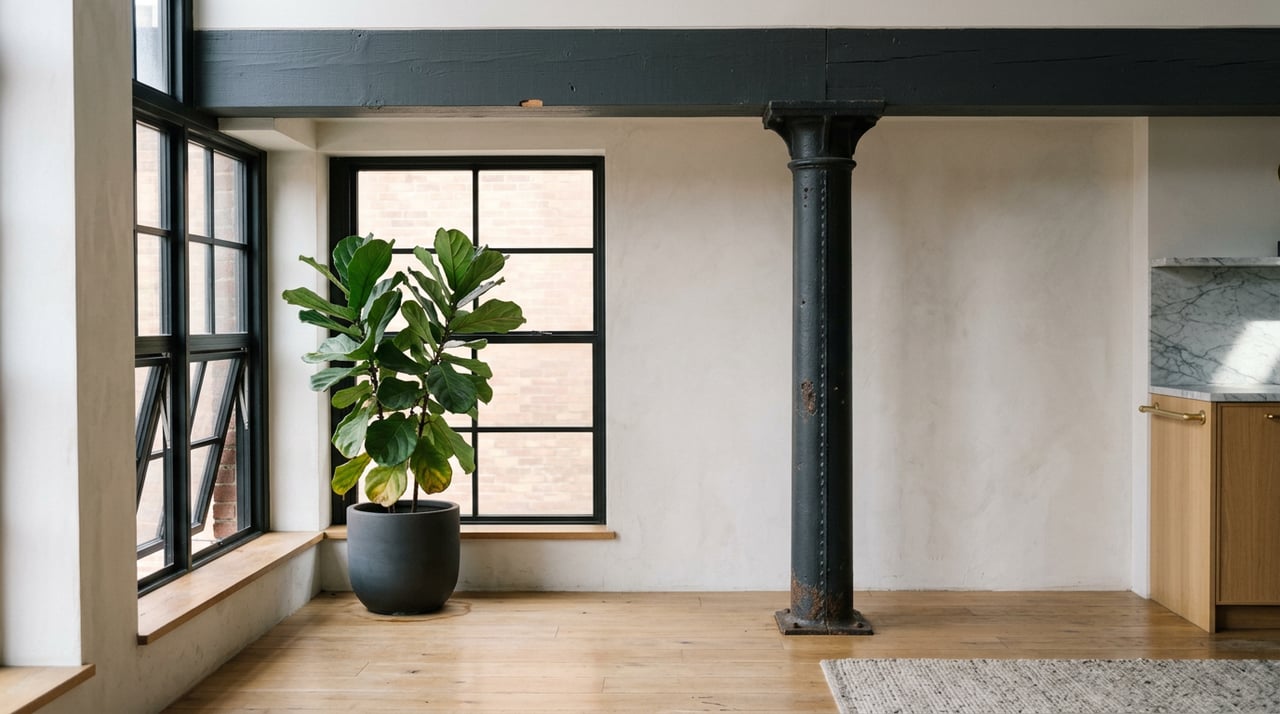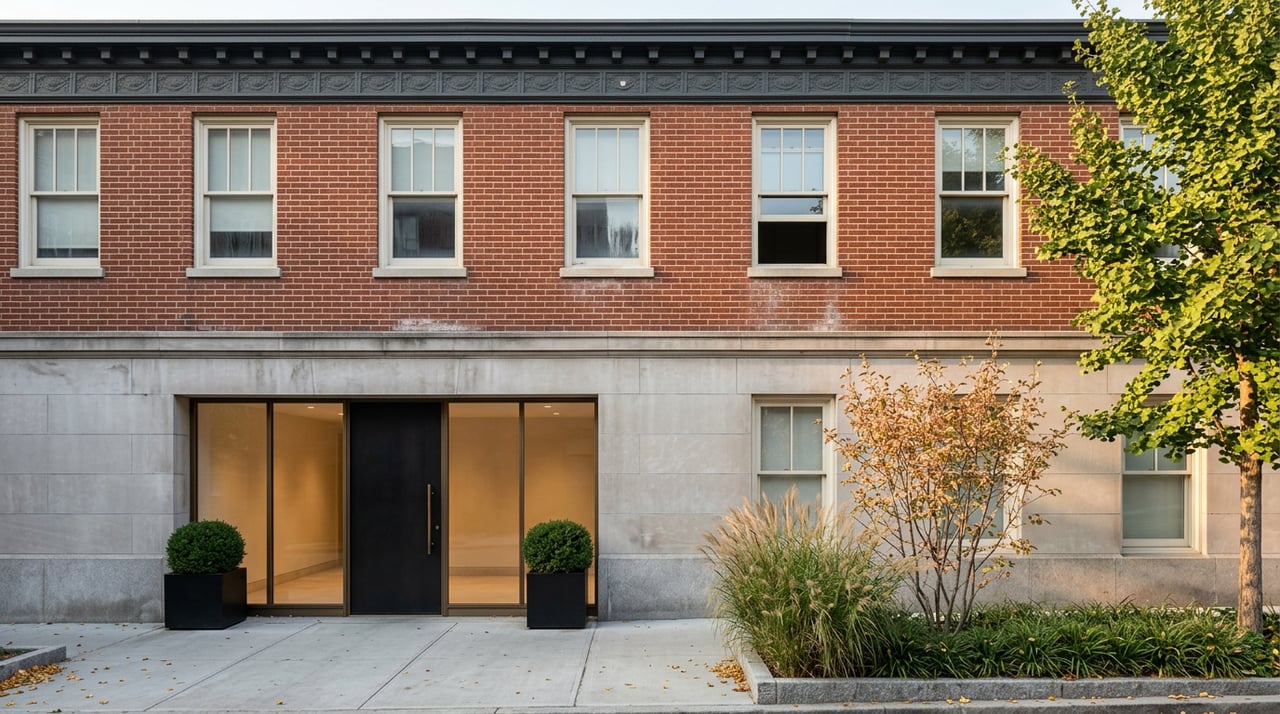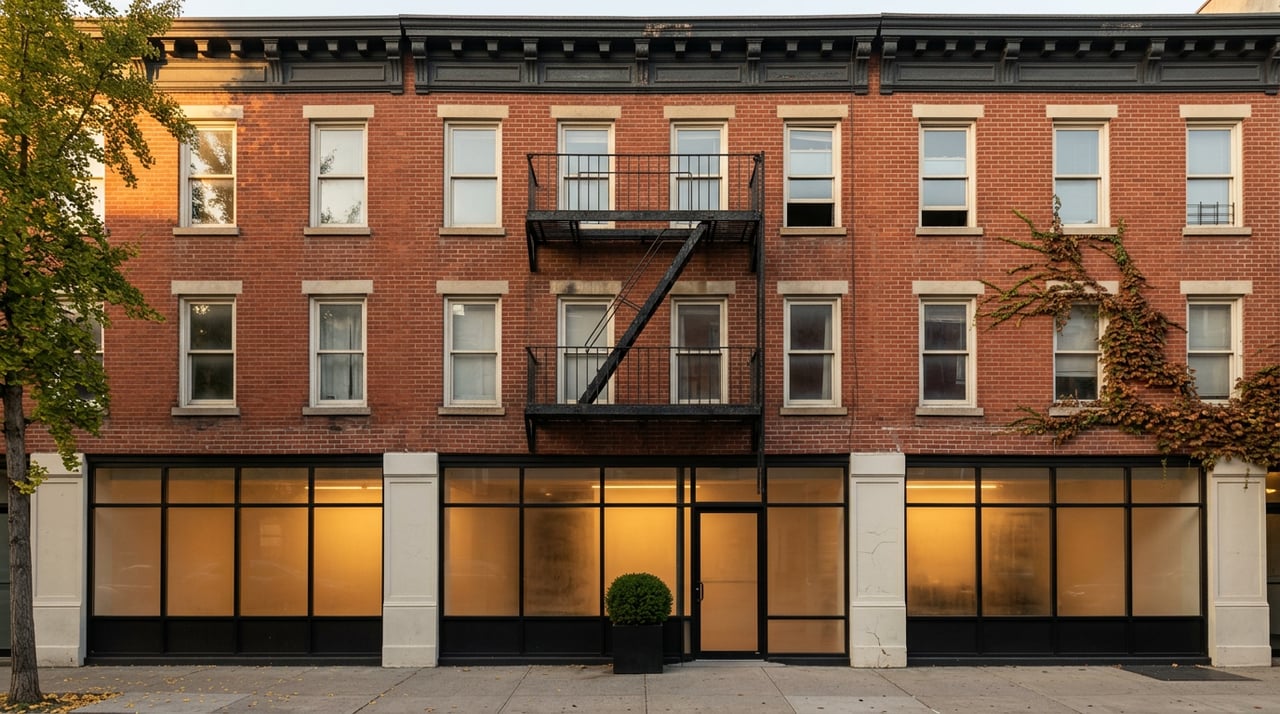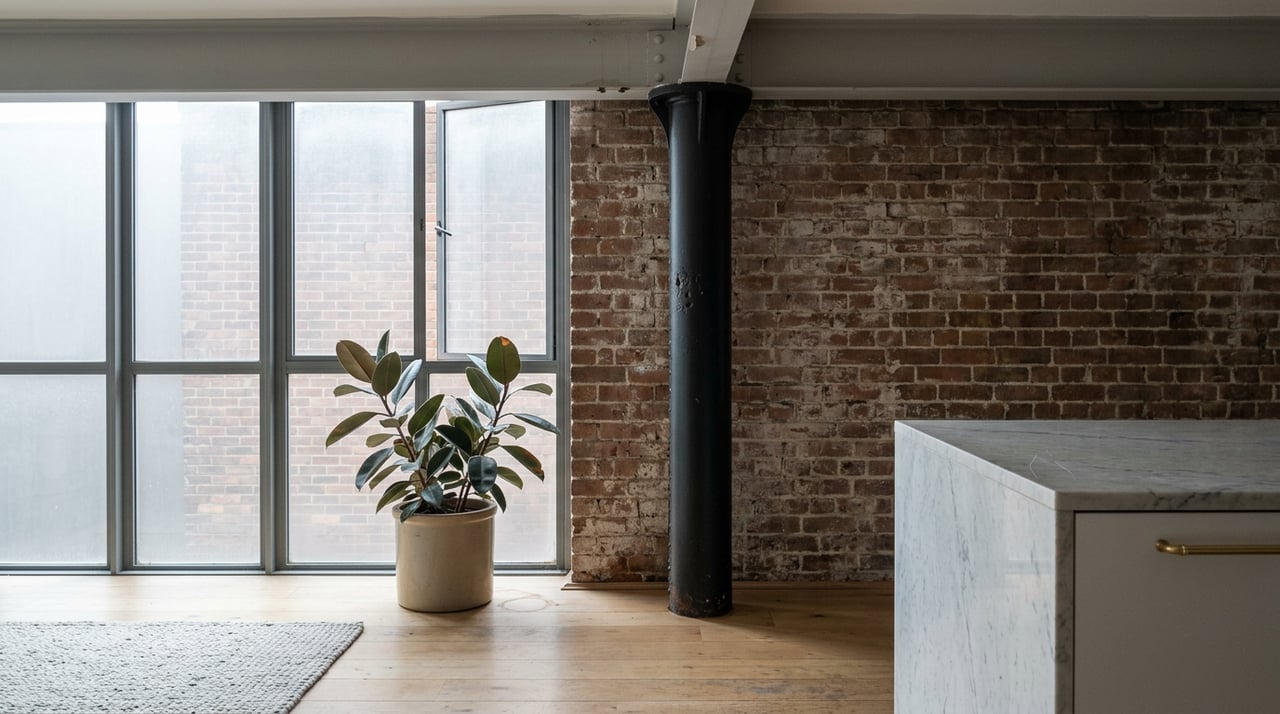
Two lofts on the same block, same square footage, same cast-iron facade. One closes in six weeks. The other sits on the market for months while lawyers trade emails about a certificate of occupancy. The difference was never visible in the listing photos. It was buried in paperwork that, until this year, nobody could fully price.
That changed on January 13, 2026, when the New York Court of Appeals ruled 6-1 in Matter of Coalition for Fairness in Soho & Noho, Inc. v. City of New York, upholding the conversion fee that lets Joint Living-Work Quarters for Artists units become ordinary residences. The ruling didn't simplify SoHo's loft market. It did something more useful for anyone shopping there right now: it turned a legal gray area into a fixed dollar figure. For buyers, that's the story worth understanding before you write an offer, not after.
The Ruling That Ended the Guessing Game
The designation at the center of the case, JLWQA, dates to 1971, when the city carved out a narrow legal path for artists to live in the manufacturing buildings that make up most of SoHo's housing stock. For decades those units sat in a kind of limbo. Occupancy was technically restricted to certified artists, enforcement was inconsistent, and non-artist buyers often just moved in and hoped nobody asked questions.
The 2021 SoHo/NoHo rezoning tried to close that gap. It created the Special SoHo-NoHo Mixed Use District, ended new JLWQA designations after December 15, 2021, and offered a voluntary path for existing JLWQA owners to convert to standard residential use, provided they paid a one-time contribution to a SoHo-NoHo Arts Fund. Owners who thought the fee was unconstitutional sued. For four years, that lawsuit meant the conversion path existed on paper but carried real legal risk for anyone who used it.
The Court of Appeals closed that risk. The justices found that a one-time monetary payment doesn't trigger Fifth Amendment takings protections the way a physical taking of property would, and they upheld the fee outright. What was once a contested, litigation-shadowed option is now a settled, enforceable process. That certainty is exactly why this matters for anyone touring lofts this year: the fee is real, it's calculable, and it now belongs in the negotiation, not in a footnote.
Three Buildings, Three Legal Realities
Ask most people what a SoHo loft is and they picture one thing: exposed brick, oversized windows, maybe a cast-iron column in the middle of the living room. What they don't picture is that the same physical loft can carry one of three entirely different legal statuses, and each one changes who can live there and how a bank views the deal.
| Legal status | Who can legally occupy it | What a non-qualifying buyer needs | Financing note |
|---|---|---|---|
| Standard residential certificate of occupancy | Anyone | Nothing beyond a normal closing | Treated like any Manhattan condo or co-op |
| JLWQA (Use Group 17D) | DCLA-certified artists, or others entitled by law such as certain succession rights | Certification, or conversion to residential use | Lenders often want a clear residential CO before they'll finance |
| Interim Multiple Dwelling under the Loft Law | Anyone, once the unit has completed legalization | Confirmation of Loft Board registration history | Exempt from the Arts Fund fee, governed separately by the Loft Board |
A recent city planning review found that roughly 30 percent of homes in SoHo and NoHo are still listed as JLWQA on their certificate of occupancy. That's not a rare edge case you might stumble into once in a while. It's a meaningful share of the inventory, which means the odds that your favorite listing carries this designation are real.
What Conversion Actually Costs
The Arts Fund fee for converting a JLWQA unit to unrestricted residential use is $100 per square foot, adjusted annually, and it's non-refundable once paid. On a 2,000-square-foot loft, that's $200,000 before you've touched a contractor. On the larger full-floor lofts SoHo is known for, the number climbs fast.
The process itself involves certification from the chairperson of the City Planning Commission, the Arts Fund payment, whatever code work is needed to bring the unit up to current standards, and a new or amended certificate of occupancy issued by the Department of Buildings. If the building already has a valid CO and no outstanding violations, amending it for a single unit can move in a matter of weeks. Conversion can also be done unit by unit rather than requiring the whole building to convert at once, which matters if you're buying one loft in a building where other owners haven't decided to convert.
None of this applies if the unit is registered as an Interim Multiple Dwelling under the Loft Law. Those units are governed by the Loft Board, not the Arts Fund process, and can be occupied without artist certification once legalization is complete. Two lofts that look identical from the hallway can require completely different paperwork, and only one of them comes with a $100-per-square-foot line item attached.
Why This Shows Up in the Days-on-Market Number
SoHo's sales data for early 2026 tells a story that's easy to misread if you stop at the headline number. Over the three months ending April 2026, the median sale price came in at $3.2 million, down 16.9 percent from the same period a year earlier. Homes also took longer to sell, averaging 106 days on market compared to 63 days the year before, even though 36 homes closed in April 2026 compared to 35 in April 2025.
A price pullback and a longer selling window can mean a lot of things in a small, luxury-heavy market where a handful of closings can swing the median. But one plausible piece of that lengthening timeline is exactly the friction this ruling just made explicit. Attorneys and lenders who once treated JLWQA status as a soft risk to flag and move past now have a hard number to negotiate over. Buyers who understand the fee structure can ask for seller credits equal to the conversion cost. Sellers who haven't budgeted for it are finding those conversations take longer than a straightforward closing would. Add appraisal caution around units without a clear residential CO, since lenders have historically been more hesitant to finance a temporary CO or a mixed-use status, and the extra weeks start to make sense as a market-wide pattern rather than a one-off.
The Questions to Ask Before You Write an Offer
- What does the certificate of occupancy actually say for this specific unit? A JLWQA designation on the CO is the first thing to check, not the last.
- Is the building, or this unit, registered with the Loft Board as an Interim Multiple Dwelling? If so, the Arts Fund process doesn't apply at all.
- If conversion is needed, has the seller gotten a written estimate of the Arts Fund contribution based on current square footage? That number should be part of the price discussion, not a surprise after contract.
- Are there open Department of Buildings violations, stop-work orders, or pending inspections that could delay a new or amended CO?
- Is this a pre-1938 building that may never have had a certificate of occupancy in the first place? Some SoHo buildings predate current CO requirements, and a Letter of No Objection may be the workable substitute.
- Has your lender confirmed how they'll treat the unit's current legal status? A temporary CO or unresolved JLWQA designation can slow or complicate financing in ways that have nothing to do with your credit.
A Few Direct Answers
Can I buy a JLWQA loft if I'm not an artist? Yes, but you generally can't occupy it as your primary residence until the unit either qualifies you under another legal provision or goes through the conversion process and Arts Fund payment.
Does every SoHo loft need this kind of review? No. Roughly 30 percent of SoHo and NoHo homes still carry the JLWQA designation, but standard residential units and properly legalized Loft Law units don't require it. The point is you can't assume which one you're looking at from the listing alone.
What if the building has no certificate of occupancy at all? Some pre-1938 buildings fall into this category unless later alterations changed use, egress, or occupancy. A Letter of No Objection from the Department of Buildings can sometimes establish legal use in place of a formal CO, but it's worth a direct conversation with an attorney who has handled this specific situation before.
Where This Leaves You
The January ruling didn't make SoHo's loft stock simpler. It made the cost of navigating it knowable, which is a meaningfully different thing. A buyer who walks into a showing already understanding the difference between a standard CO, a JLWQA designation, and an IMD unit is negotiating from a position most people in this market still don't have. That's the kind of groundwork that turns a six-month search into a six-week close.
If you're weighing a SoHo loft purchase, or you own one and are trying to figure out what conversion would mean for your timeline and your bottom line, David Menendez has spent two decades working through exactly this kind of Manhattan building-stock complexity. Let's Connect and talk through what your specific building's paperwork actually says.